
Last updated November 22, 2026
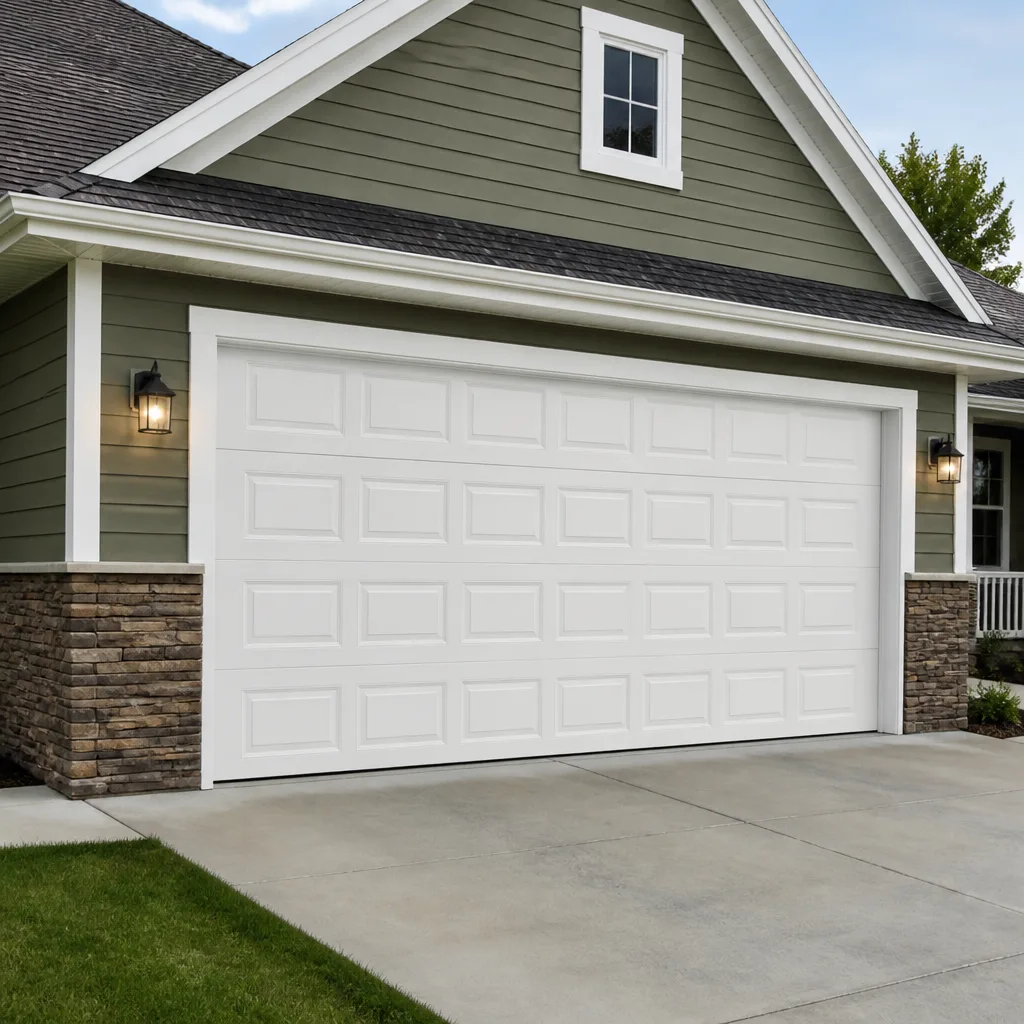 Raised-panel steel
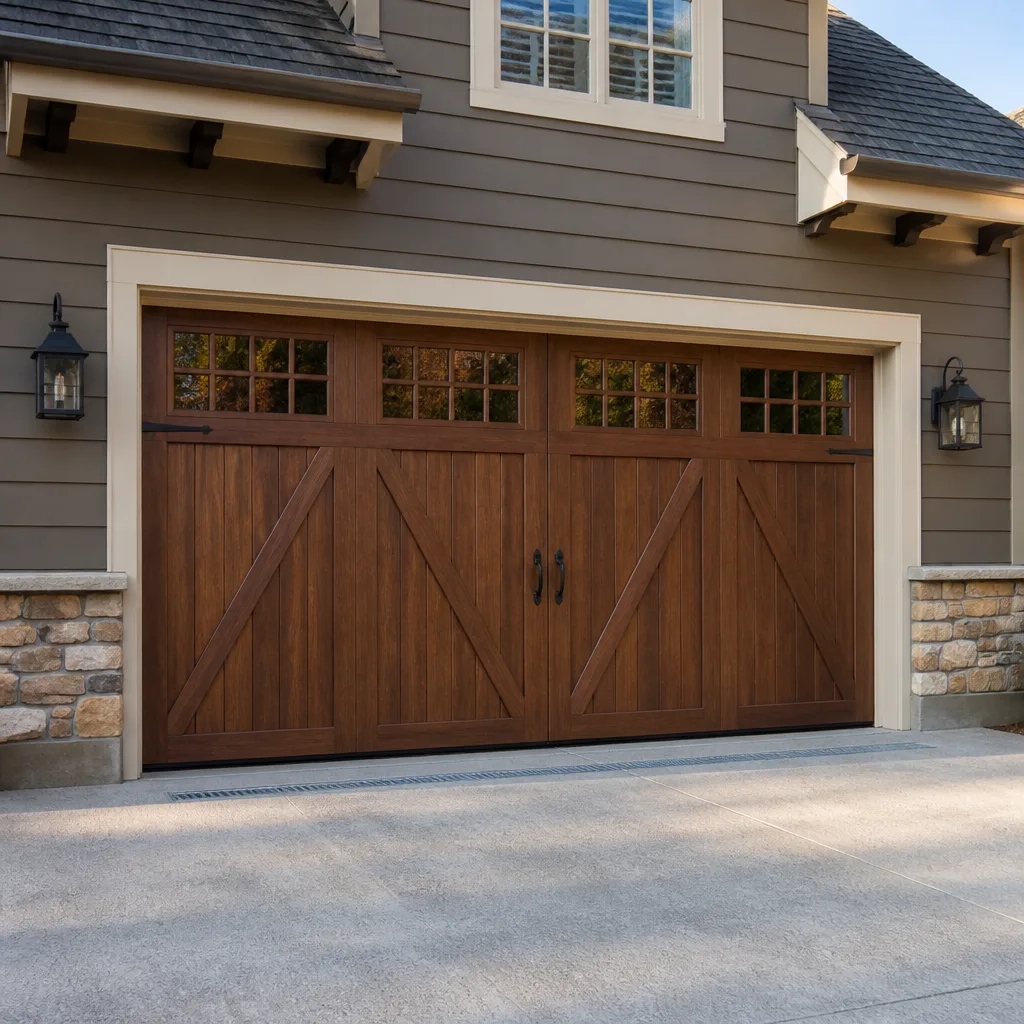 Carriage house
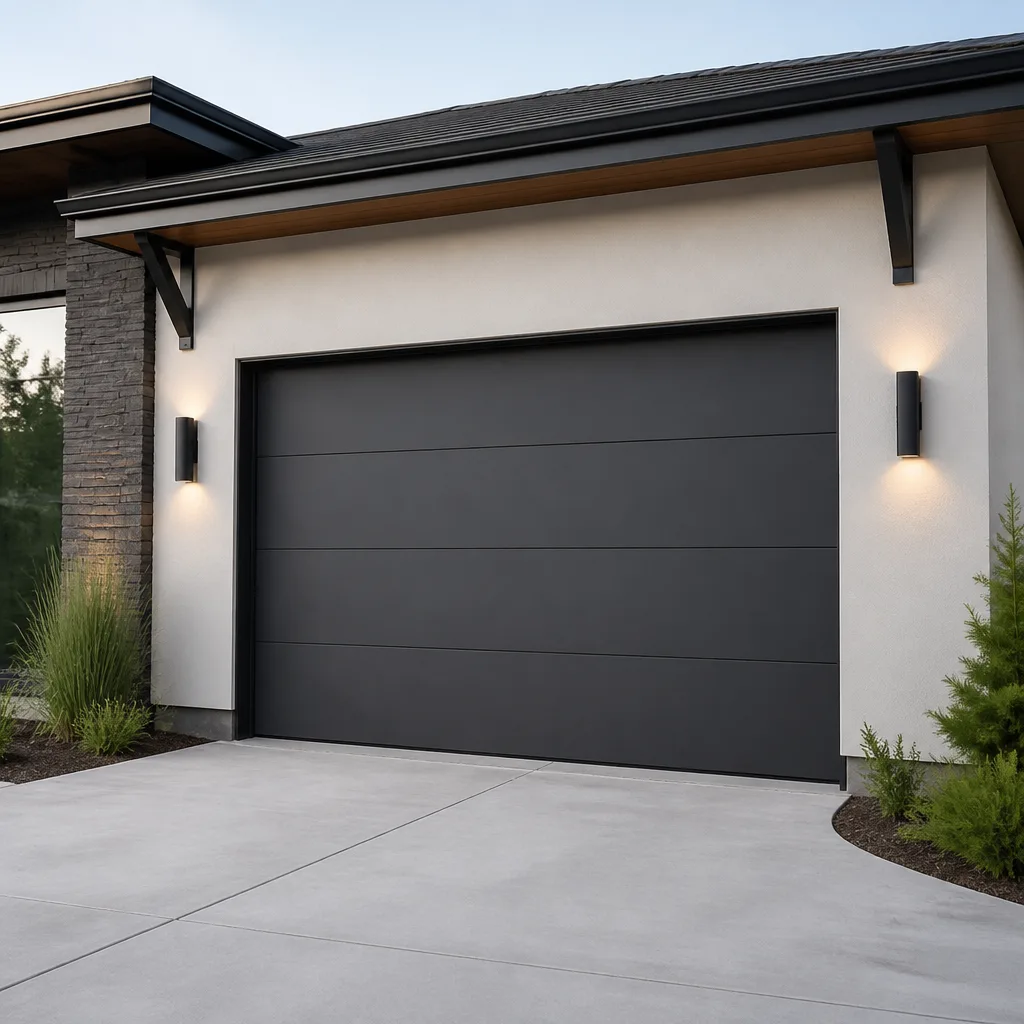 Modern flush
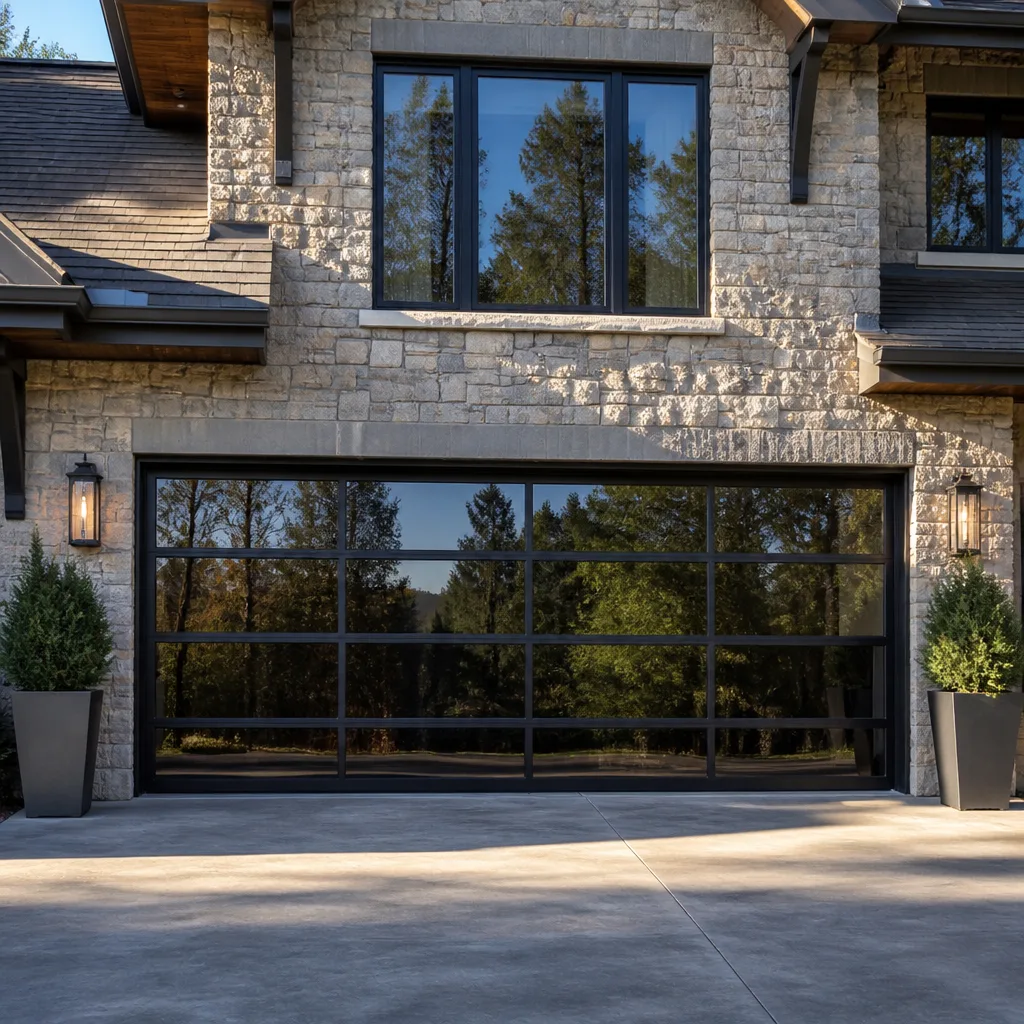 Full-view glass
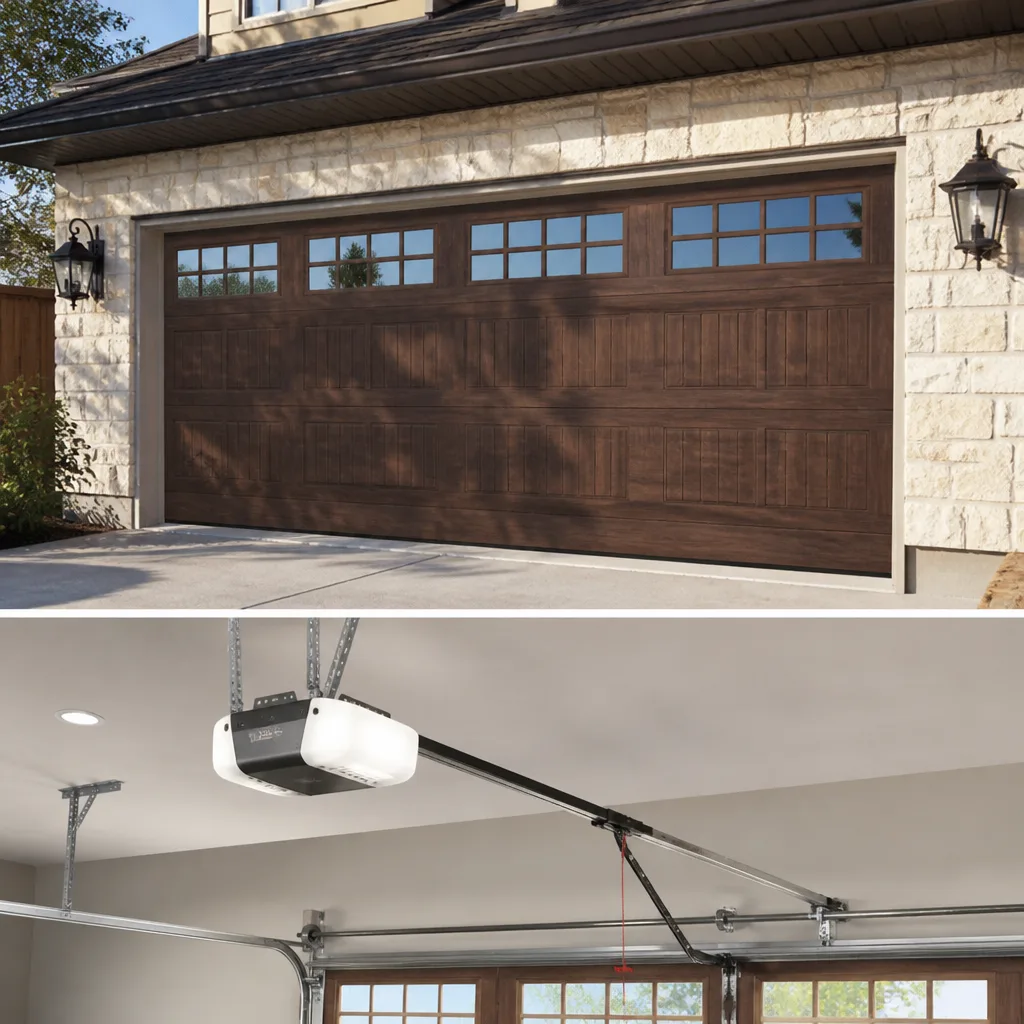 LiftMaster openers
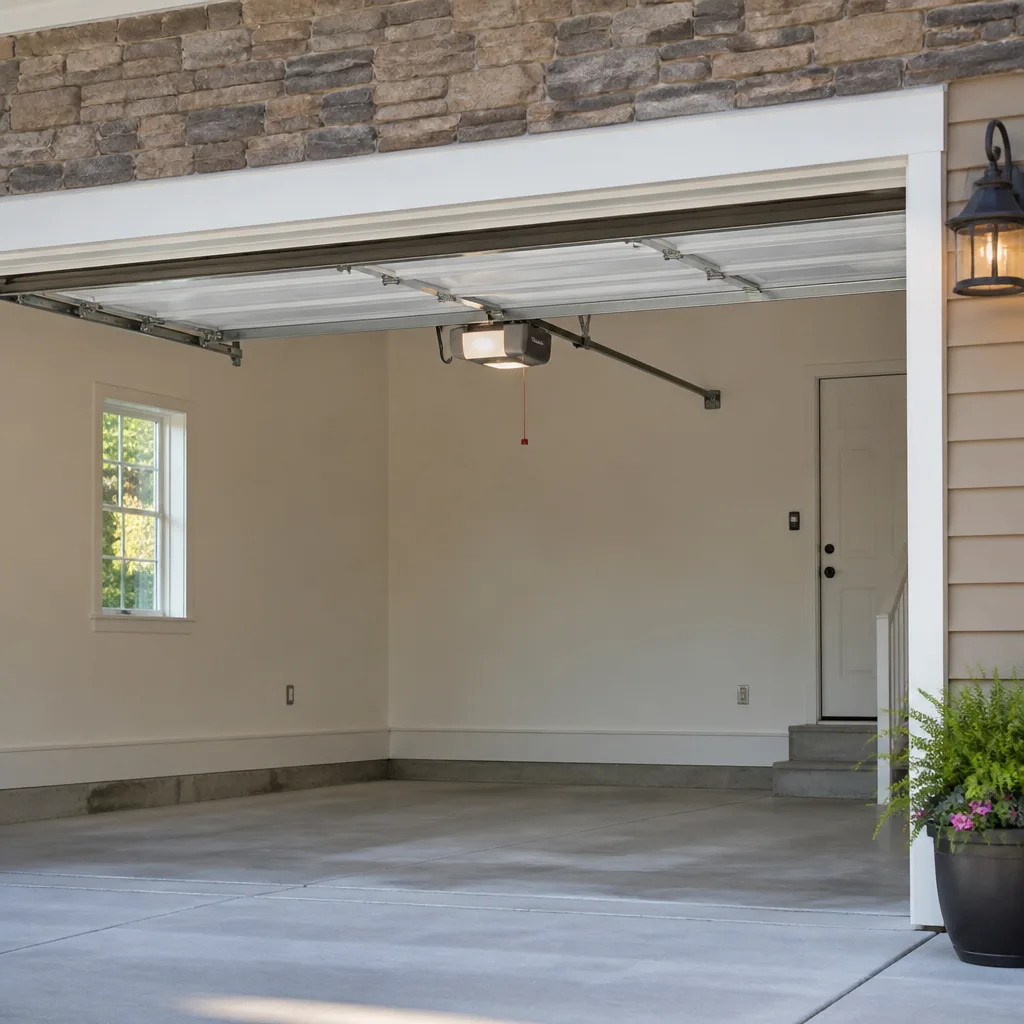 Chamberlain openers
Full 25-point door and opener safety check with every visit - springs, cables, rollers, tracks, and your LiftMaster or Chamberlain opener included
You get a price before we start. It does not change when the pro arrives.
Get your free estimateGarage Door Warning Signs: A Gahanna Homeowner’s Reference Guide
A grinding noise and a slow-moving door sound like the same problem to most people. In our experience they’re weeks apart in urgency. One usually means a metal part is eating itself and the repair grows more expensive the longer it runs. The other often means the door is fighting gravity, and you still have time to book a scheduled repair. The trap in Gahanna is treating every symptom the same: ignoring a scraping noise for months, then paying for it on a Sunday when the door won’t close and the house is open to the alley. This guide decodes what each warning sign actually means, so you can sort “call today” from “call this week” and know exactly what to send a technician before they arrive.
Quick Answer
The warning signs that need same-day service are a snapped torsion spring, a door that slams shut, a door hanging crooked off its tracks, and a loud pop followed by a dead door. Noises like grinding, scraping or rattling, a door that needs two button presses to close, and a slow but steady door are usually safe to schedule within a week, but they never fix themselves and they tend to get more expensive.
Styles & brands we work with
- Raised-panel steel
- Carriage house
- Modern flush
- Full-view glass
- LiftMaster openers
- Chamberlain openers
Table of Contents
- How to Read a Garage Door Symptom
- What Each Noise Tells You About the Mechanics
- Visual Warning Signs Ranked by Urgency
- The Two-Button-Press Problem Is Usually a Sensor, Not an Opener
- A Slow Door: Spring Tension Loss or a Dying Motor Capacitor?
- Dangerous vs. Merely Annoying: Same-Day or Scheduled?
- What Still Makes Sense to Handle Yourself in Gahanna
- How to Photograph a Problem Before You Call
How to Read a Garage Door Symptom
A garage door runs on a short chain of parts that fail in a predictable order. The opener motor turns a rail or chain. The door’s springs carry the door’s weight. The rollers and hinges let it glide. The tracks keep it going straight. When one part starts to fail, it usually talks first, and that noise or hesitation points to a specific component.
That’s the difference between guessing and knowing. If you can tell us the door grinds on the way down but opens quietly, or that the door only hesitates in the first few inches of travel, we already know which parts to look at. Call details like that save time, and they usually point to a smaller repair than the “replace the whole door” pitch you might hear elsewhere.
Every garage door in Gahanna, whether it’s a raised-panel steel Clopay on a newer build or a Wayne Dalton that came with the house, runs on the same core mechanics. Brands differ on the details. A Genie opener stops on its own logic; a LiftMaster runs a beam sensor that behaves a little differently. But the physics of tension, weight and travel is the same on every door.
Here’s how we sort symptoms when a homeowner calls us:
- Sudden and violent: a bang, a slam or a dropped door. Stop using the door and call.
- Gradual and noisy: grinding, scraping, rattling. Book a scheduled repair and stop running the door more than you have to.
- Functional but odd: the opener needs multiple presses, or the remote works close but not far. This is often a sensor, remote or wiring issue, not a failing mechanism.
- Physical and visible: a crooked door, a bent track, a frayed cable. Photograph it before you call.
Reading the sign accurately is what keeps a small repair small. That’s the core of how we approach Garage Door Repair Gahanna.
What Each Noise Tells You About the Mechanics
Noise is the cheapest warning you’ll ever get. Every sound a door makes has a mechanical source, and the source tells you what’s wearing out.
Grinding usually comes from dry or worn rollers, a dry chain or a torsion tube that’s lost its lubrication. Left alone, a dry roller will flat-spot and start bouncing, and a dry chain eats the sprocket. Grinding is rarely an emergency, but it’s a repair that grows. If the grinding is loud and metallic, it can also be the opener’s gear or sprocket failing, which is a different fix.
Popping or snapping during travel is often a hinge that’s loosened or a torsion spring starting to go. If you hear a single loud pop and the door stops dead, that’s usually a snapped spring and you should stop calling the door up. We’ve handled enough of these in Gahanna to know the pop is the notification.
Scraping points to the door rubbing its track, a bent track section, or a bowed panel. Scraping gets worse because the friction keeps wearing both the door and the track. A little belt dressing won’t fix it. The track geometry needs correcting.
Rattling is the mildest sign. Loose hardware, a wobbly hinge or a loose bolt is usually the cause. It’s a good time to book a scheduled repair rather than wait for a hinge to come apart mid-cycle.
In our experience the sound matches the part more often than not. When a homeowner calls us and says “it grinds going down,” we already have a short list. That’s why we lead with diagnostics by symptom and brand.
Visual Warning Signs Ranked by Urgency
Some warning signs don’t make a sound. They show up in the frame of the door or the hardware, and each one carries a different weight.
Highest urgency:
- A broken spring: a visible gap in the coil, or the coil dropped from the shaft. Same-day call.
- A frayed or loose cable: the cable should sit taut and level. If it’s slack or fraying, don’t cycle the door. Cable failure is genuinely dangerous.
- A door hanging crooked: one side higher than the other usually means a broken spring or a binding track. Stop using it and call.
Medium urgency:
- A bent track: usually from impact. It’s repairable, but a bent track pulls the door out of alignment as it travels.
- Cracked or broken hinges: schedule within the week.
- Rollers that are clearly worn flat or cracked: schedule a roller swap.
Lower urgency but worth sorting:
- Worn weatherstripping along the bottom
- Loose bolts and brackets
- A door that closes but doesn’t sit flush with the floor
What makes these signs easy to track is a photo. A clear shot of the spring, both hinges and the track at the top and bottom of the door tells a technician more than a phone description ever will. That’s especially true for older Amarr and Clopay doors where the panel profile varies by model and year. We’d rather see it than guess. Photograph first, then call.
The Two-Button-Press Problem Is Usually a Sensor, Not an Opener
Most people assume a failing opener when the door needs two button presses to close. Most of the time it’s the safety sensor, and that’s a smaller repair than a new opener.
Garage door openers have a pair of photo-eye sensors near the floor on each side of the door. The opener checks for a clear beam before it closes the door. If the beam is blocked, the sensor is out of alignment, or the sun is hitting one sensor directly, the door reverses or refuses to close. The owner presses the button a second time, and sometimes it works because the misalignment only blocks one part of the cycle.
This distinction matters because the fix is different:
- Wipe both sensor lenses with a soft cloth. Gahanna dust and driveway grit collect here fast.
- Check for dust, spider webs or a leaf resting in front of a sensor.
- Look at the sensor LED. A steady light on both sides means alignment is fine. A blinking or dark light usually means it’s out of position or dusty.
- If the light is on but the door still reverses, the opener’s board or travel limit is the next check.
An opener swap costs far more than a sensor alignment. If a technician ever tells you it’s a new opener, ask which light is on. If they can’t tell you, get a second opinion. On Genie, Chamberlain and LiftMaster systems we check the sensor logic before we touch the motor. That’s a big part of our garage door opener repair.
A Slow Door: Spring Tension Loss or a Dying Motor Capacitor?
A slow door comes in two flavors, and the difference changes the repair.
Slow because of spring tension loss. The torsion springs above the door carry most of the door’s weight. When they lose tension, the opener motor has to lift more than it was designed to. The door feels heavy when you lift it by hand. You’ll notice the door travels slowly at the start of the lift and often slows more on the way down. Torsion springs losing tension is normal wear, not a broken part, so this is usually a scheduled repair, not a same-day one. But a door that’s fighting gravity wears the opener, the hinges and the cables faster than it should.
Slow because of a dying motor capacitor. The capacitor is the small part inside the opener that gives the motor its kick at startup. When it weakens, the opener starts slow and gets slower. The door itself feels normal to lift by hand. The fix is a small part swap inside the opener, not a new opener.
The two-button question again: ask yourself whether the door is slow by the feel when you lift it, or the door feels normal and only the opener sounds tired.
Slow to lift but normal to push: the opener is the suspect.
Heavy by hand and slow: the springs are the suspect.
We diagnose the difference before we quote anything. That’s the basis of how we run garage door spring repair and every opener call we handle. For a homeowner, the point is this: don’t let a slow door stay slow. Either path gets worse if it isn’t fixed.
Dangerous vs. Merely Annoying: Same-Day or Scheduled?
The highest-stakes warning sign in garage door work is under extreme tension, and that tension deserves a clear explanation.
A torsion spring above the door holds enough stored energy to cause serious injury if it releases without warning. That energy is now stored in the spring, whether the garage is in Gahanna or anywhere else. Cable work is the same. A taut, correctly tensioned cable is safe when it’s intact. A frayed or slack cable can release, so we don’t recommend homeowners go anywhere near a spring or a cable. That’s a same-day job for a trained technician.
Use this to sort your own call:
Same-day:
- A snapped spring
- A slamming or dropped door
- A visible broken or frayed cable
- A door that won’t close and leaves the home open to the driveway
- Any time the door has visibly damaged the tracks
Scheduled within a week:
- Grinding, scraping, rattling or a noisy chain
- A sensor issue that needs only a realignment
- Slow-to-lift doors with an opener that sounds tired
- An unbalanced door that opens and closes but crooked
- Loose hardware and worn weatherstripping
In emergency situations, the door won’t close on its own, and you’ll want a same-day fix. Call us and we’ll send a technician with fast dispatch from 7am to 7pm, Sunday through Friday. We’re closed Saturday. A stuck door that can’t wait until the next weekday call gets treated as what it is.
What Still Makes Sense to Handle Yourself in Gahanna
Plenty of garage door care is safe for a homeowner to do. The rest is where we step in.
Safe to do yourself:
- Wiping the sensor lenses monthly
- Sweeping dust and grit out of the tracks and wiping the roller paths with a clean cloth
- Tightening the visible bolts on hinges and brackets with a socket set
- Replacing the opener’s remote battery
- Clearing snow, ice and leaf litter away from the door’s bottom weatherstrip
Gahanna winters bring ice and salt tracked in on the driveway, and that grit collects in the track. Spring in central Ohio brings pollen and grit. Sweeping the tracks out seasonally is one of the easiest things a homeowner can do for a door.
Don’t do yourself:
- Torsion springs, extension springs and cables. All under tension. All a same-day call.
- Adjusting the opener’s travel limits should be done carefully because a miscalibrated limit can force the door onto the motor and damage the opener or the door.
- Replacing a bent bottom panel or a bent track section: those need proper alignment, and a misaligned panel can bind the door on its next cycle.
That last point matters for doors in Gahanna’s older subdivisions, where a 20-year-old Clopay or Amarr door might need a matched replacement panel rather than the newer panel profile in stock. A technician with brand familiarity can tell you which is which.
How to Photograph a Problem Before You Call
A good set of photos shortens the call and helps a technician arrive prepared. Here’s what to capture:
- The whole door from outside, straight on. This lets a technician see if the door is hanging straight and if any panel is bowed.
- The torsion spring above the door, from below and straight up. A visible gap or a dropped spring is a same-day call.
- Both hinge tracks, top and bottom. This shows bent tracks, worn rollers and loose hardware.
- The bottom sensor on each side. This shows whether the sensor is dusty, misaligned or has a dark lens.
- The opener motor housing with the brand and model visible. Genie, LiftMaster and Chamberlain models look similar from a distance. A close-up of the model sticker saves a trip back to the van.
- A short video of the door during one open-close cycle. Sound matters here. A grinding noise or a hesitation in the first few inches of travel is clearer in a video than in a photo.
Send those photos when you call and describe what you’re hearing. That’s the difference between a technician arriving with a vague idea and arriving with the right parts. We’d rather do the second.
Common Mistakes to Avoid
- Running the door after a loud pop. If you hear one snap and the door stops, stop using it. Cycling a door with a broken spring can damage the opener, cables and tracks in a single pass.
- Assuming “slow” means “new opener.” Slow doors are often spring tension, not a motor. Replacing the opener first is the wrong order of operations and wastes money.
- Letting a two-button-press problem go for months. A misaligned sensor is usually a five-minute fix. Left alone, the opener cycles extra times on every use, and the wear adds up.
- Greasing a torsion spring you shouldn’t touch. Springs carry stored tension. DIY spring work is one of the most common causes of serious garage door injuries. Leave the spring alone.
- Assuming a bent bottom panel will pop back into shape. Steel panels, and especially the higher-gauge profiles used on Amarr and Clopay doors, stay bent. A technician can tell you whether a matched replacement panel is available or a full door replacement makes more sense.
- Ignoring winter-driven grit in the tracks. Gahanna snow and road salt end up in the track and roller path. Sweeping them out every few months is cheaper than replacing rollers every season.
- Calling a general handyman for a spring or opener job. These are specific services with specific safety rules. A generalist will often outsource the spring work anyway, adding a delay and a second markup.
See the difference
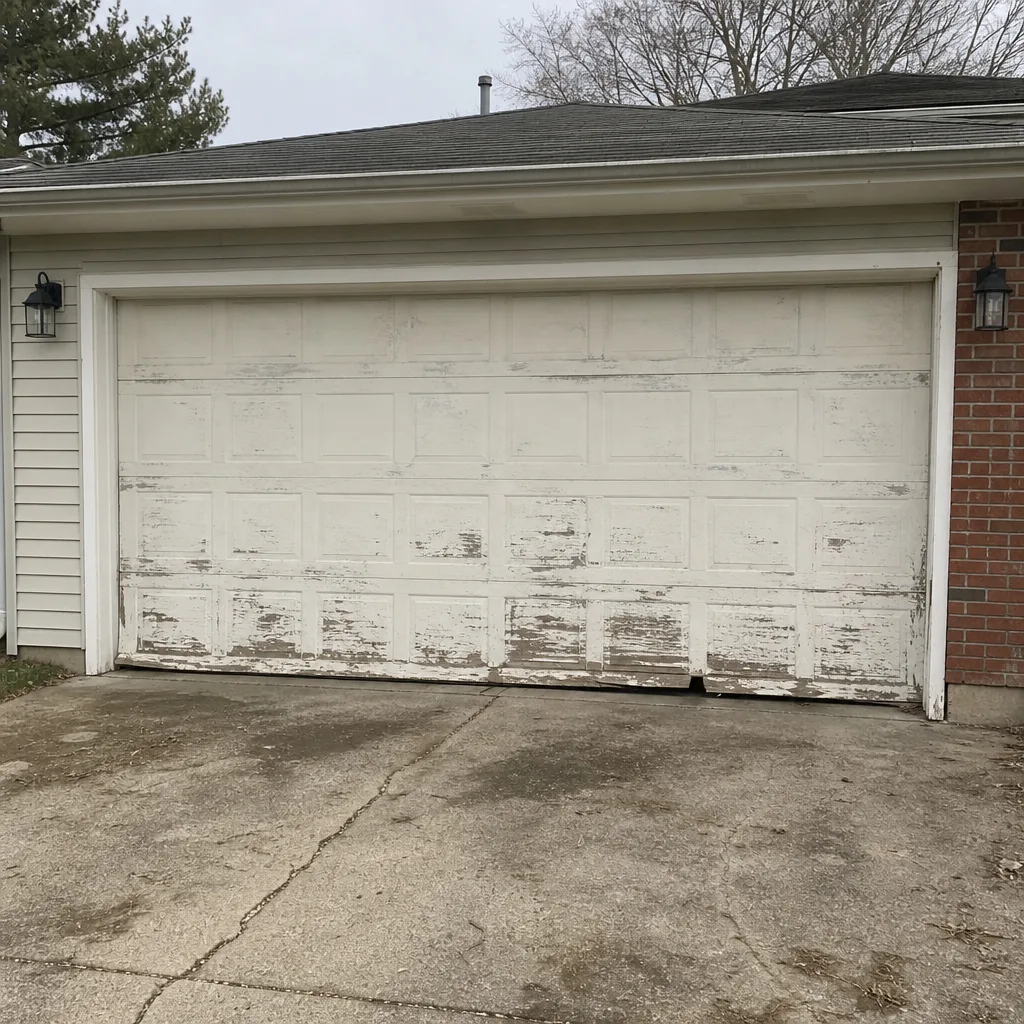 Before
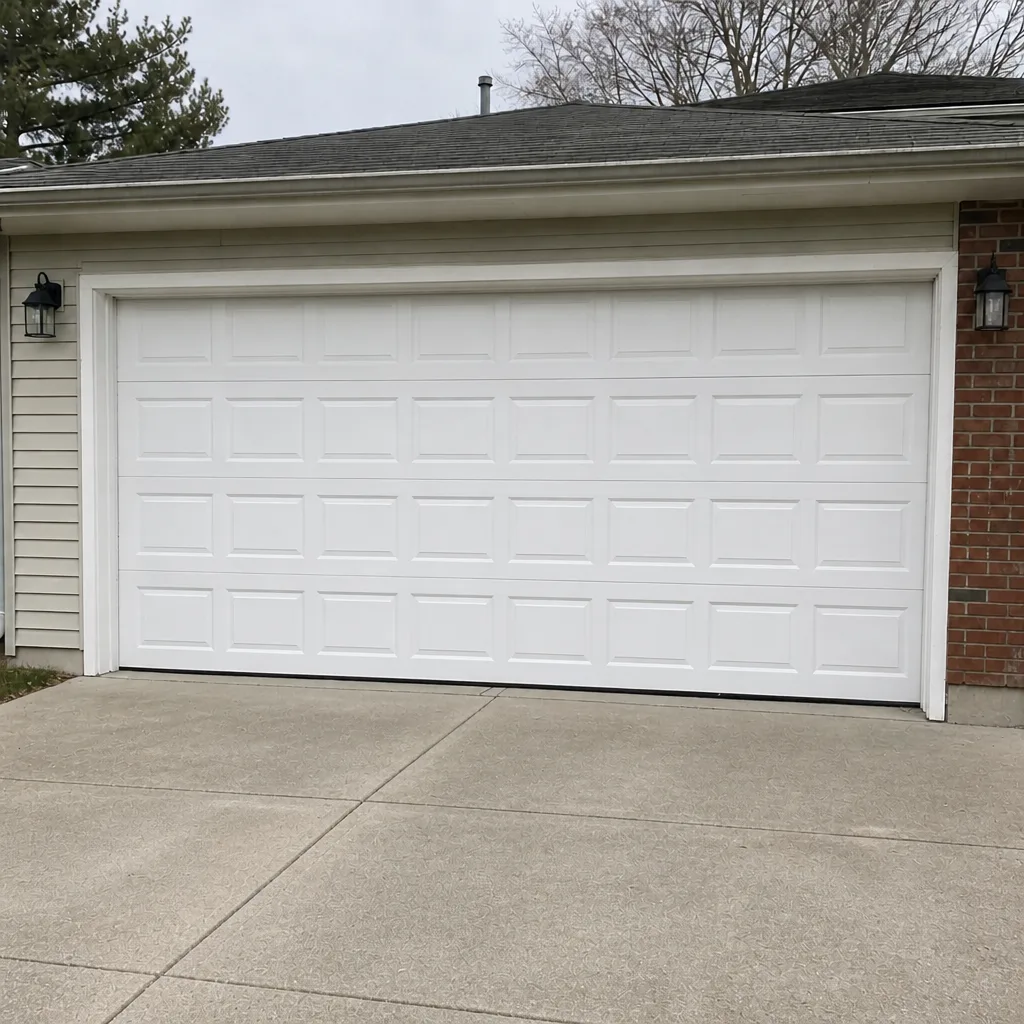 After
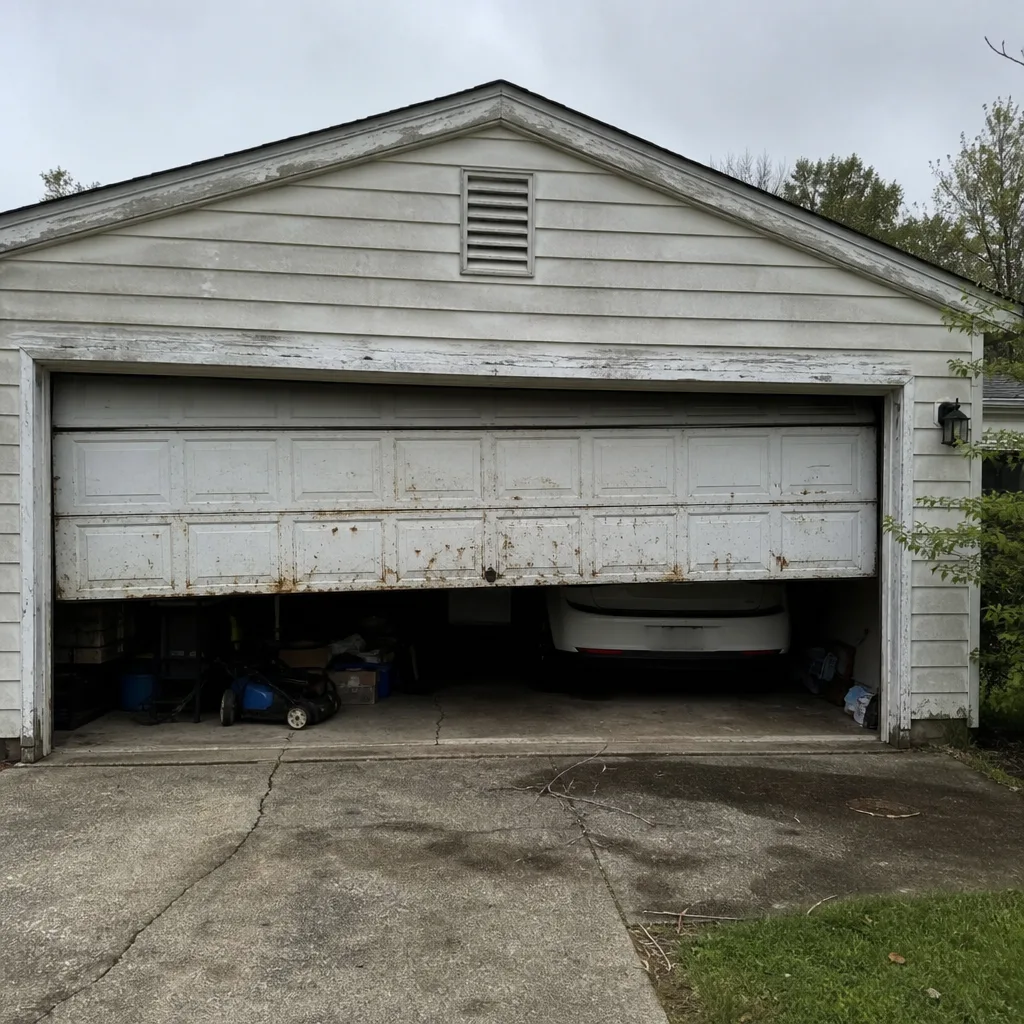 Before
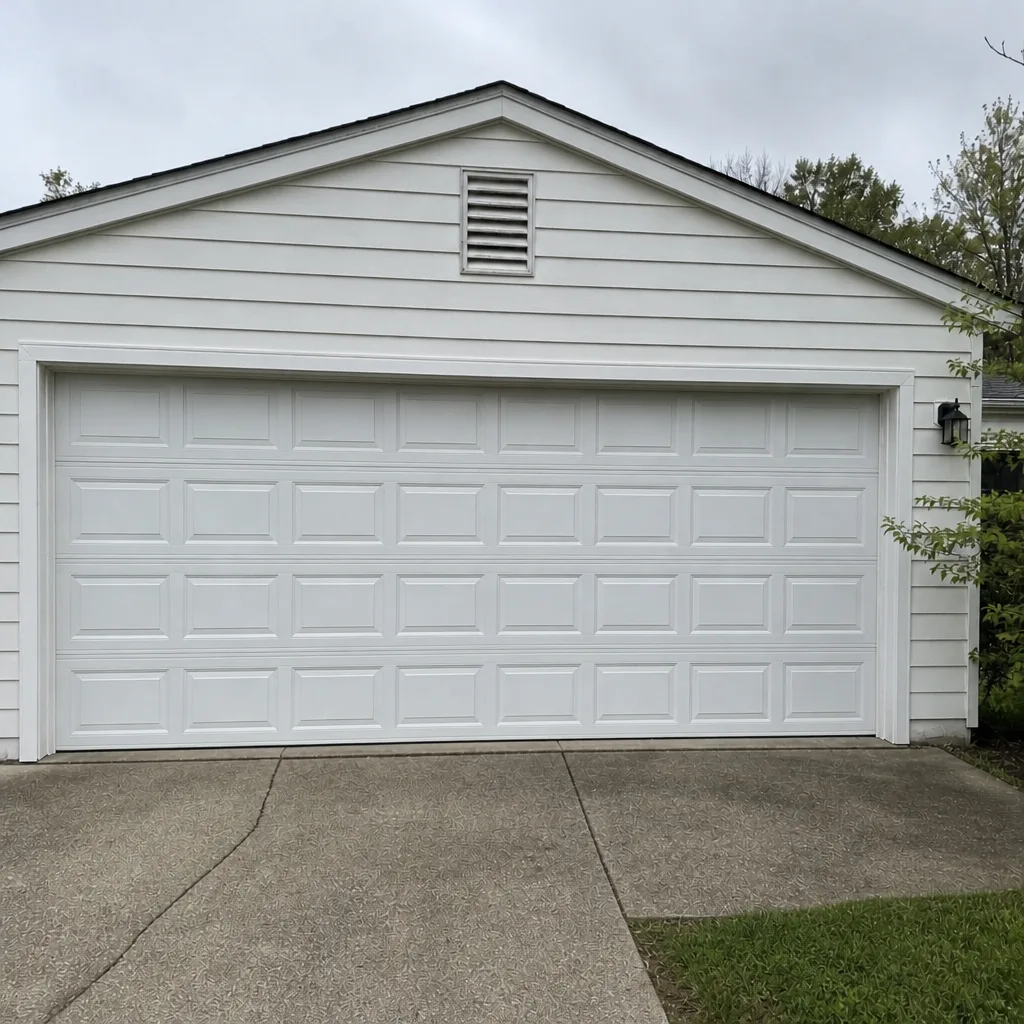 After
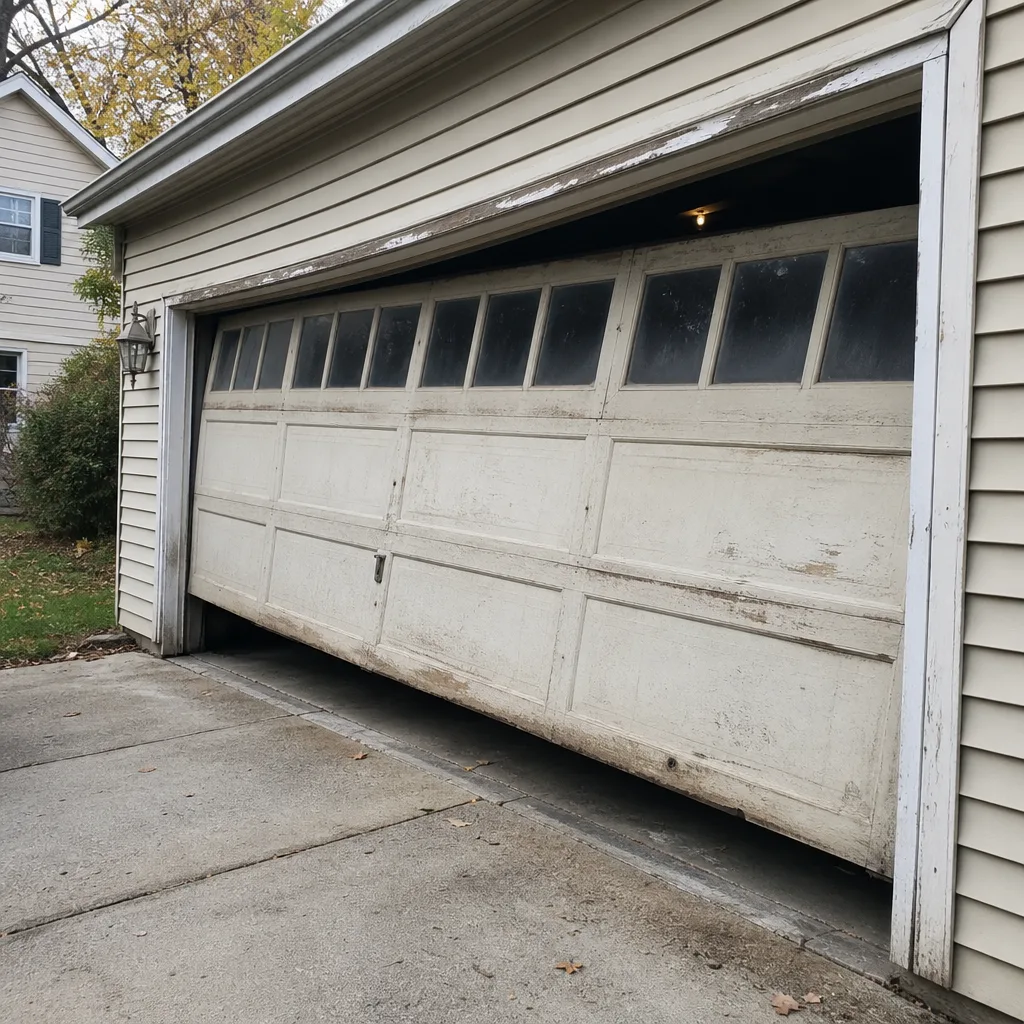 Before
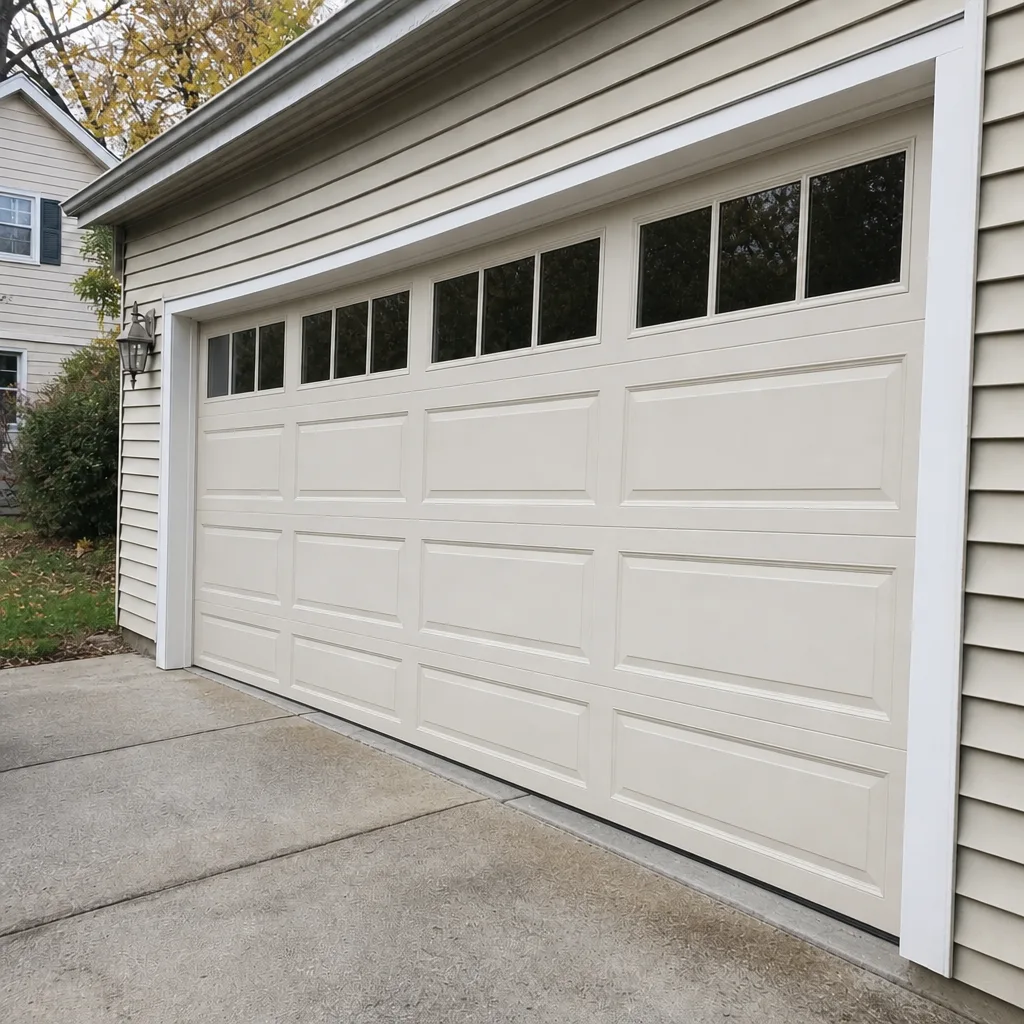 After
When to Call a Professional
Call a professional the moment you see or hear any of these: a snapped torsion spring, a frayed cable, a door hanging crooked, a door that has slammed itself shut, or a door that won’t close and leaves the house open. Also call when the door has stopped lifting entirely, when the opener has started to trip the breaker, or when the door’s bottom panel has visibly buckled. Those are same-day problems. Noises that come and go, a door that’s slow but steady, and sensor issues that keep cropping up are fine to book as scheduled repairs. The key is not to wait out a problem that’s getting worse every cycle. Garage Door Repair Gahanna offers free estimates in Gahanna. Call (855) 658-5316. We answer 24/7. Fast dispatch from 7am to 7pm, Sunday through Friday. Our technicians have up to 8 years of experience, and we work on the brand you already have.
Frequently Asked Questions
Grinding or scraping on the way down is the most common early warning sign. It usually points to worn rollers, a dry chain or a door rubbing the track. Left alone it turns into a roller replacement plus a track adjustment. If you’re hearing it in Gahanna, call (855) 658-5316 for an exact quote. Estimates are free.
Yes. A garage door spring is under extreme tension, and a snapped spring can release stored energy dangerously. Never try to touch, lubricate or remove a broken torsion spring. Call a trained technician. A broken spring is a same-day service call. Call (855) 658-5316 for an exact quote. Estimates are free.
Most of the time it’s a misaligned or dusty safety sensor, not a failing opener. Clean both sensor lenses and check for an obstruction or a light shining into a sensor. If both sensor lights are steady and the door still reverses, the opener needs a technician’s look. Call (855) 658-5316 for an exact quote. Estimates are free.
Yes, for repair work like broken springs, opener failures and doors that won’t close. We answer 24/7. Fast dispatch from 7am to 7pm, Sunday through Friday, and we’re closed Saturday. Emergency service is for stuck doors and urgent failures that compromise home security or access. Call (855) 658-5316 for an exact quote. Estimates are free.
No. The written estimate sets the final price, and the price is quoted and agreed before any work starts. A technician’s on-site diagnosis may change which repair you need, but you’ll see the revised estimate before we do any work. Call (855) 658-5316 for an exact quote. Estimates are free.
A slow door is worth a same-week call, not a same-day emergency. In our experience, slow lift is often spring tension loss, and slow-up but normal-feel is often a weakening motor capacitor. Either way, the fix is smaller now than it will be in a month. Call (855) 658-5316 for an exact quote. Estimates are free.
The local pro who performs the work is licensed and insured as Ohio requires. Our job is connecting you with a vetted local technician who can diagnose the specific problem on your door and handle spring, opener and roller work correctly. Call (855) 658-5316 for an exact quote. Estimates are free.
The Bottom Line
Garage door failures rarely happen without warning. A grinding noise, a slow lift, a two-button close or a slightly crooked panel shows up days or weeks before the door stops working. The trick is to read those signs correctly. A loud pop and a dead door is same-day. A grinding chain is scheduled. A slow door is worth sorting before it turns into a stuck door. Nothing on this list is a reason to wait. A good repair now is far cheaper than an emergency repair later. If you’re in Gahanna and you’d rather not sort it alone, we can look at the photos, diagnose the symptom, and tell you whether it’s a same-day call or a scheduled one. Free estimates, and the price is agreed before any work starts.
If you’re not sure how serious your problem is, that’s a good reason to call. A short description of what the door is doing gives us enough to tell you whether it’s a same-day call or a scheduled one, and nothing gets started until you’ve agreed to a written price. Call (855) 658-5316 for a free estimate. We answer 24/7. Fast dispatch from 7am to 7pm, Sunday through Friday. For general service and a broader view of how we approach garage door repair, our team is ready to help.
Written by the team at Garage Door Repair Gahanna.