
Last updated November 22, 2026
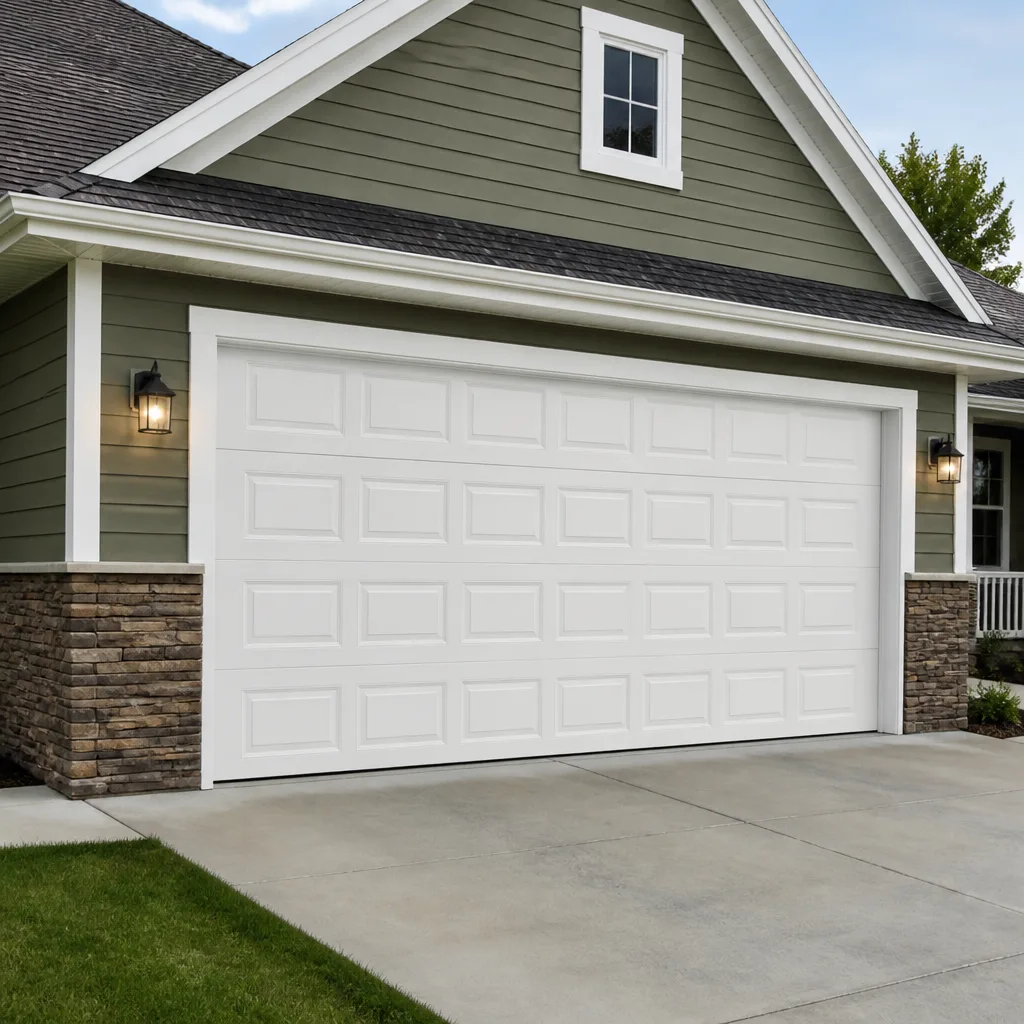 Raised-panel steel
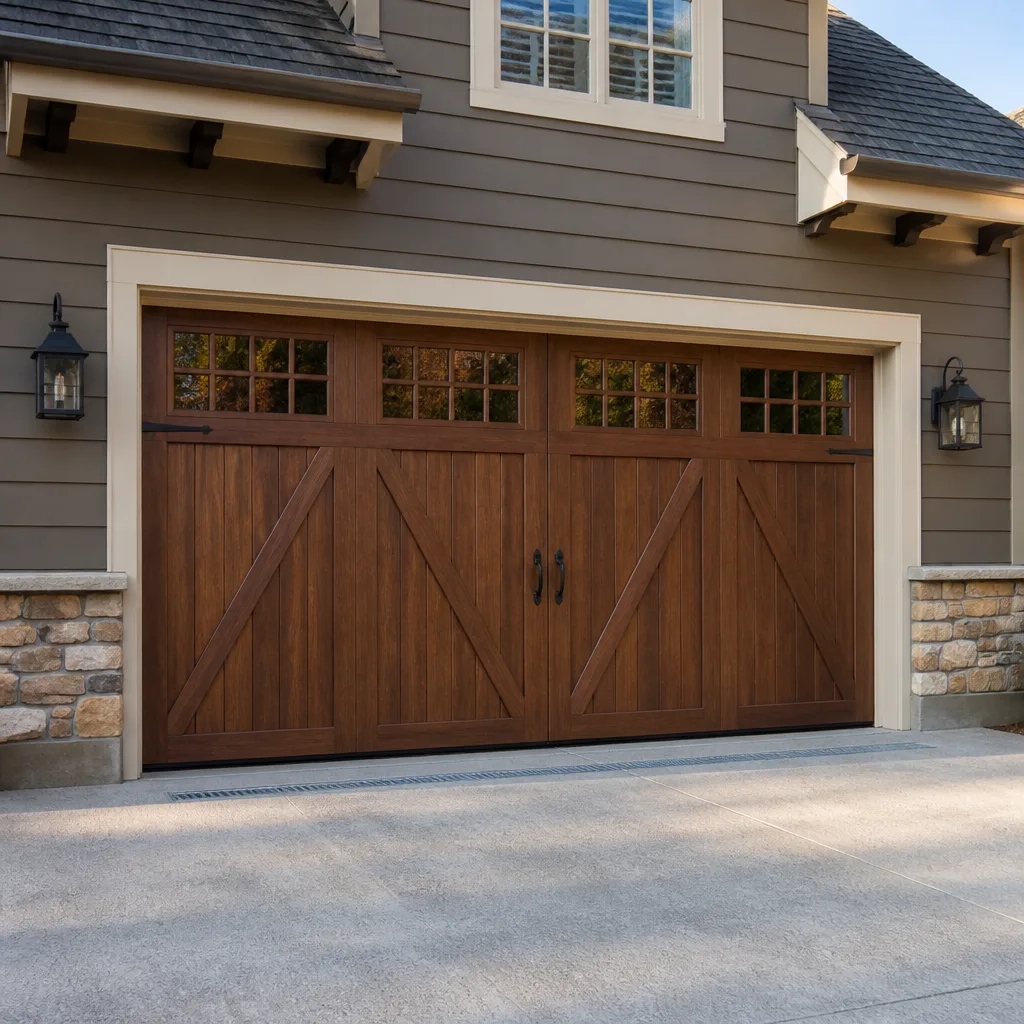 Carriage house
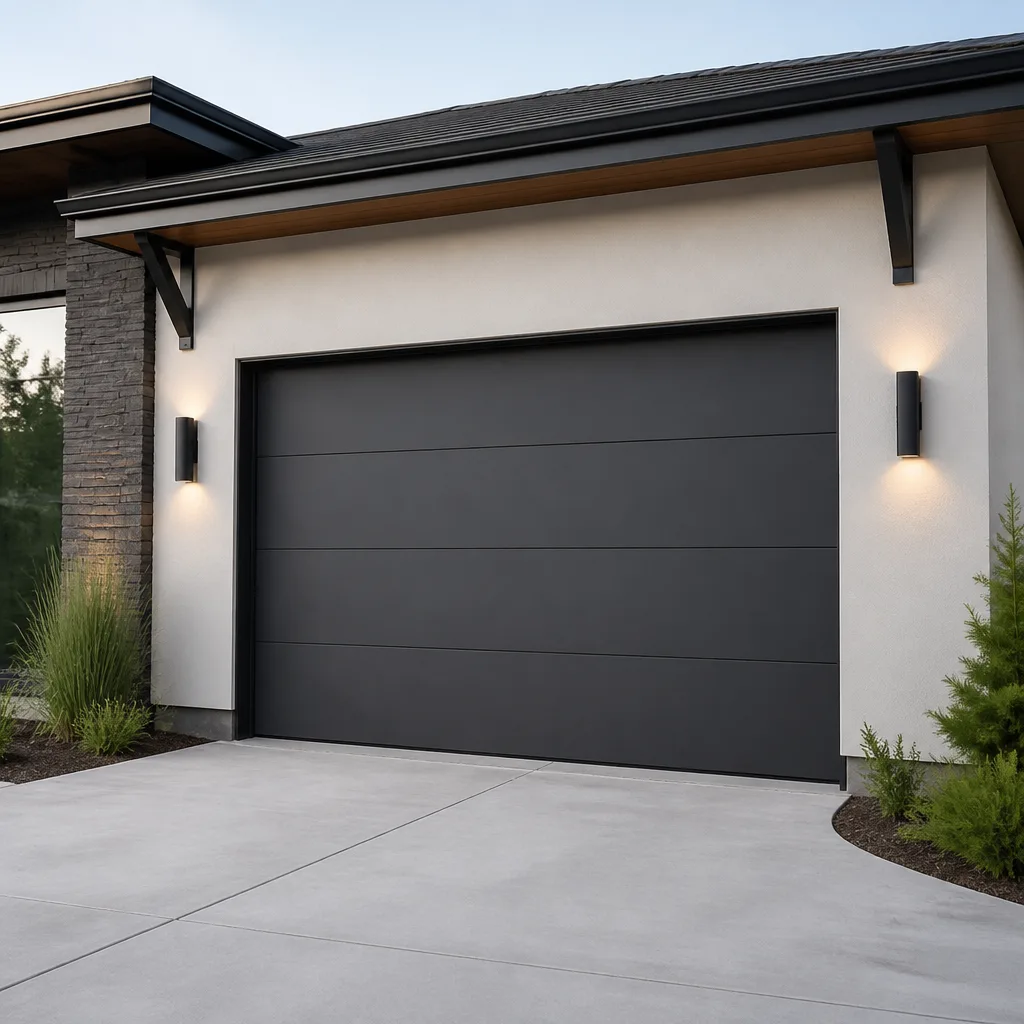 Modern flush
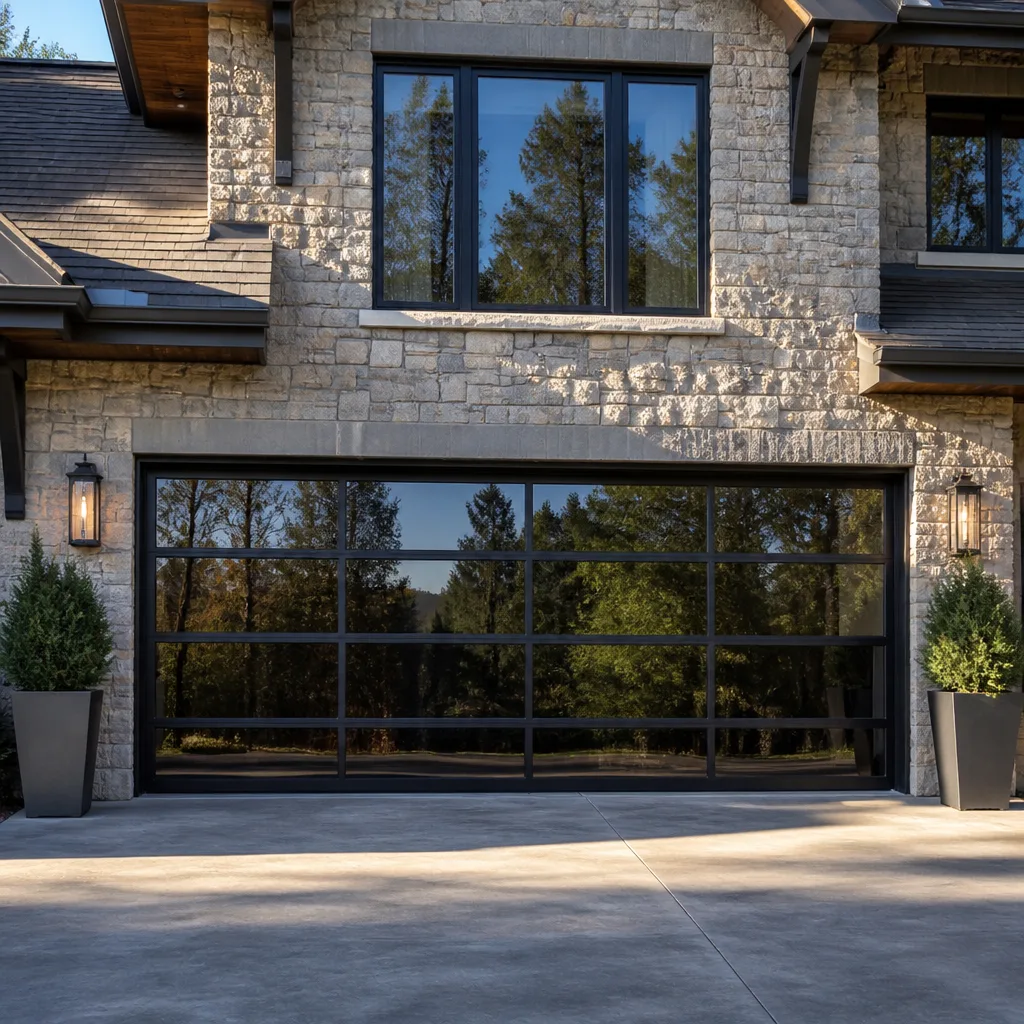 Full-view glass
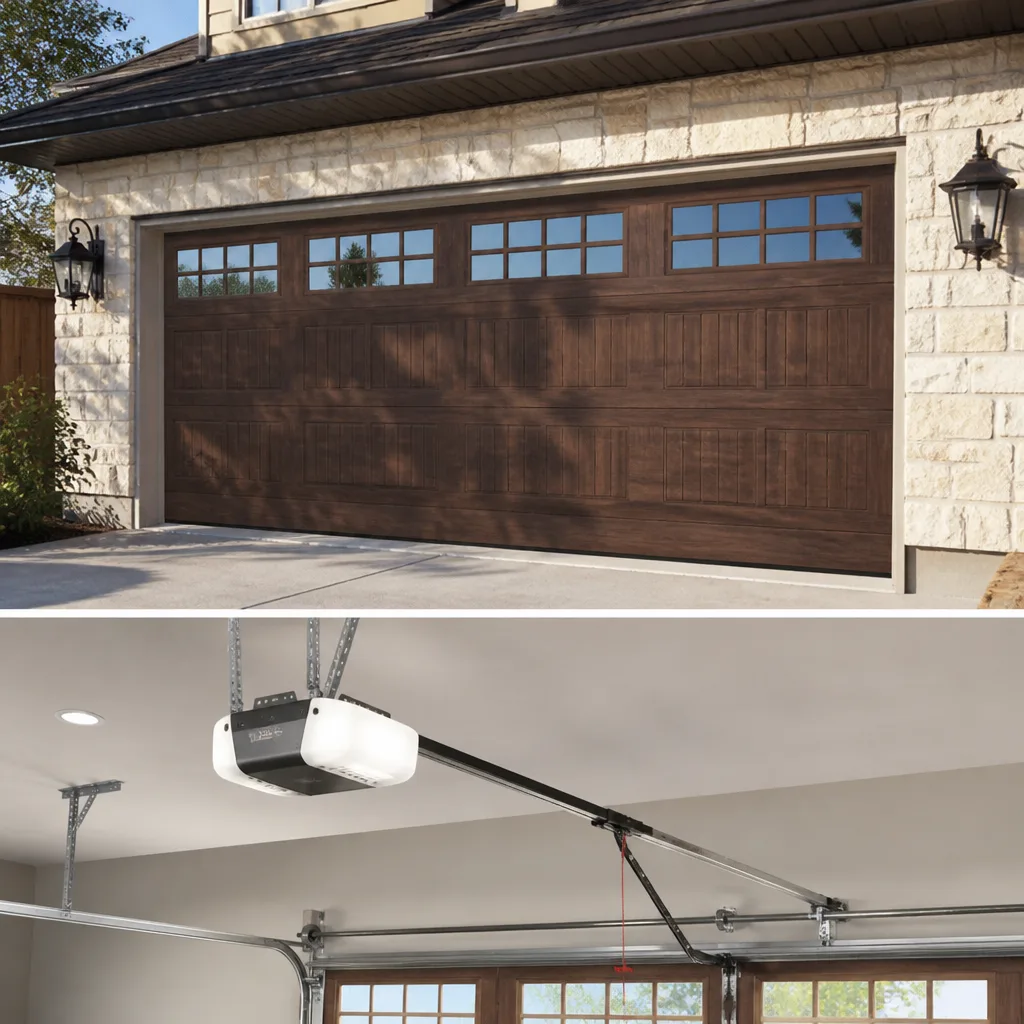 LiftMaster openers
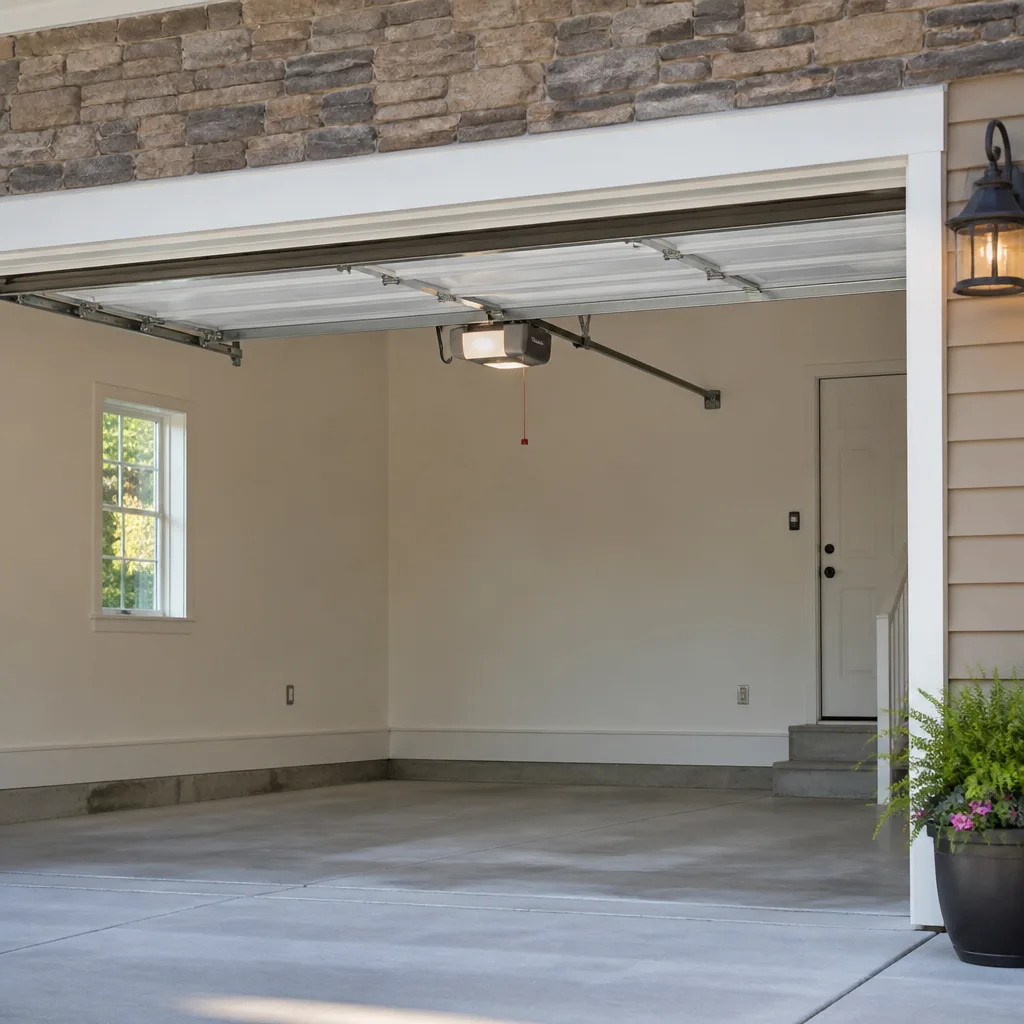 Chamberlain openers
Full 25-point door and opener safety check with every visit - springs, cables, rollers, tracks, and your LiftMaster or Chamberlain opener included
You get a price before we start. It does not change when the pro arrives.
Get your free estimateChoosing the Right Garage Door Brand: A Buyer’s Guide for Gahanna
A “premium” nameplate on a base-tier steel door is still a thin door. That’s the uncomfortable truth most brand conversations skip. A mid-market label at the right steel gauge, insulation value and cycle rating will outlast a flagship brand built to a builder-grade spec, and the nameplate stamped on the panel rarely tells you which one you’re looking at. Dealers sell what their distributor ships them, so the brand question gets answered by inventory, not by what your opening actually needs. We work on the brand you already have and we’ve seen the spec sheets behind all of them. This guide gives Gahanna homeowners a brand-agnostic way to read what you’re being quoted, so the door you buy is the door that lasts.
Quick Answer
The right garage door brand in Gahanna is the one whose published steel gauge, R-value, cycle rating and separate panel-and-hardware warranty line up with your opening and your budget, not the one with the best-known logo. In practice, a 25-gauge steel door from Amarr or Wayne Dalton at a solid insulation value beats a thin 27-gauge door wearing a premium badge. Ask for the spec sheet, compare all four numbers, and let a multi-brand installer spec the door for your opening rather than for their shelf.
Styles & brands we work with
- Raised-panel steel
- Carriage house
- Modern flush
- Full-view glass
- LiftMaster openers
- Chamberlain openers
Table of Contents
- The Four Specs That Actually Determine Long-Term Performance
- Brand-by-Brand Comparison on Those Four Specs
- Why “What Brand Does Your Neighbor Have” Is Poor Selection Logic
- How Gahanna’s Climate Should Influence Insulation and Finish
- What Multi-Brand Fluency from an Installer Really Buys You
- Matching the Opener to the Door You Choose
- A Step-by-Step Way to Shop for a New Door in Gahanna
- Common Mistakes to Avoid
- When to Call a Professional
- Frequently Asked Questions
- The Bottom Line
The Four Specs That Actually Determine Long-Term Performance
Brand is a packaging decision. Performance is a spec decision. Four numbers tell you more about how a door will hold up over a decade of daily cycling than any marketing brochure, and every manufacturer publishes them if you ask. Gahanna buyers who learn to read these four are hard to upsell and rarely disappointed.
1. Steel gauge. Gauge is thickness, and lower numbers mean thicker steel. A 24- or 25-gauge door resists dents and panel flex far better than a 27- or 28-gauge door. Many builder-grade doors hide a thinner face behind a familiar brand name, so confirm the gauge on the panel you’re actually buying, not the one in the showroom photo.
2. R-value. This is a measure of how well the door resists heat flow through the panel. An uninsulated single-layer steel door sits near zero. A double-layer door with a bonded backer lands in the low single digits. A fully insulated three-layer door can climb well into double digits. For a door attached to a conditioned space, insulation matters both for comfort and for how hard your furnace and air conditioner work.
3. Cycle rating. Cycles are how many times a door goes up and down. Standard torsion springs are often rated around 10,000 cycles; higher-rated springs push well beyond that. The door’s hinges, rollers and track also carry cycle expectations. A door rated for heavy daily use needs hardware rated to match, or you’ll be replacing parts long before the panels wear out.
4. Warranty, read separately. This is the one almost everyone skips. Panel and paint coverage is frequently a different term from hardware and moving parts, and labor is usually separate again. A door with a strong panel warranty and a thin hardware warranty tells you exactly where the manufacturer expects wear to show up. Read each line on its own.
- Steel gauge: lower is thicker; 24-25 gauge outperforms 27-28 gauge
- R-value: single-layer near zero, three-layer insulated climbs into double digits
- Cycle rating: matches springs and hardware to how often you use the door
- Warranty: panels, hardware and labor are three separate terms
Brand-by-Brand Comparison on Those Four Specs
We work on eight of the most widely installed brands in residential use, which means we’ve read the spec sheets and repaired the failures on all of them. The honest comparison isn’t “which brand wins.” It’s which product line within each brand hits the four specs you need. Here’s how the major manufacturers tend to line up.
Clopay runs a deep catalog from basic single-layer steel up through well-insulated three-layer doors. Their value is range: you can stay at the low end or spec a genuinely insulated door, and the R-value is clearly published on the product lines that have it. Ask which series you’re being quoted, because the name on the door is the same either way.
Amarr leans on strong steel specs and clear insulation tiers across their residential lines. Their better doors put real gauge and real insulation behind the panel, and their warranty structure separates panel, hardware and paint coverage in a way that’s readable if you ask for all three. We see them frequently on Gahanna homes for good reason.
Wayne Dalton spans builder-grade doors up to insulated models, and the difference between their entry lines and their insulated lines is significant. That’s exactly where brand loyalty can mislead a buyer: the same logo sits on a thin door and a thick one. Confirm the gauge and R-value before you nod.
Raynor is worth a look when you want a heavier commercial-grade feel in a residential door. Their insulated models hold up well to daily cycles, and the hardware tends to be substantial. If you’re speccing a door for a busy household, a Raynor line at the right cycle rating is often a stronger value than a thinner premium-badged door.
The pattern across all four: the brand is the starting point, and the product line plus the four specs is the decision. We don’t rank them for you because the right pick depends on your opening, your insulation goals and how often the door cycles. What we will say is that brand fluency lets us read the actual sheet, not the brochure.
Why “What Brand Does Your Neighbor Have” Is Poor Selection Logic
“My neighbor has one and likes it” tells you almost nothing useful. Their door may be a different product line, a different size, a different insulation level, or a door installed a decade ago when that brand’s catalog looked different. Selection by neighbor is selection by coincidence, and it hands the decision to whoever happened to live next door rather than to your opening’s needs.
There’s a second trap underneath it. Dealers are incentivized to sell what their distributor relationship makes easy, so the brand a salesperson leads with isn’t necessarily the best fit for your home; it’s the best fit for their margin and their warehouse. That’s not dishonesty, it’s how the trade works. Your job as a buyer is to bring a framework that doesn’t depend on either the neighbor or the sales pitch.
Here’s what to ask a dealer instead:
- “What steel gauge is this door?” Get the number for the panel being quoted, not the model family.
- “What’s the R-value, and is it a single, double or three-layer door?” The layer count tells you a lot even before the number.
- “What’s the cycle rating on the springs and hardware, and does it match the door?”
- “Show me the panel warranty, the hardware warranty and the labor term separately.” Ask for all three in writing.
- “Would you spec this same door if the brand on it were different?” A straight answer tells you whether they’re recommending or offloading.
If a dealer can’t answer those five cleanly, that’s the real signal, regardless of the brand. A Gahanna homeowner armed with these questions can tell a genuine recommendation from a shelf-clearing one in about ten minutes.
How Gahanna’s Climate Should Influence Insulation and Finish
Gahanna sits in central Ohio, which means real seasonal swing: hot, humid summers and cold winters with freeze and thaw. That swing is the reason insulation value matters more here than in a mild climate, and it’s also why finish selection isn’t cosmetic. Homes near Route 62 and Interstate 270 face a specific wrinkle: road salt and winter spray from those corridors settle on nearby driveways and coat the bottom of a garage door, and over seasons that spray is hard on paint, hardware and the bottom seal.
What that means in practice:
- Insulate an attached garage. A humid summer and a cold winter on the other side of an uninsulated door push your HVAC harder. A three-layer insulated door pays you back in comfort and equipment wear, not just quiet operation.
- Choose a finish that stands up to salt spray. For homes close to 62 or 270, a factory finish on a steel door with good paint warranty coverage is the practical choice. Steel with a baked-on finish handles winter road spray better than a field-painted surface, and it’s easier to rinse clean.
- Protect the bottom of the door. The bottom seal and the lowest panel take the worst of the salt and slush. A good seal keeps the spray and moisture away from the steel edge and the hardware behind it.
- Match cycle rating to daily use. A door that runs twice a day is a different animal from one that runs six times. Spring ratings and hardware quality should follow your actual use, and Gahanna’s freeze-thaw cycle is another reason to keep the moving parts in good condition.
- Keep humidity in mind for wood and wood-composite. If you’re considering a wood-look door, ask how the finish handles a humid summer, because that’s the failure point over time.
None of this is about a brand. It’s about spec and finish chosen for central Ohio weather. A dealer who walks your driveway and notes how close you are to the highway is doing it right.
What Multi-Brand Fluency from an Installer Really Buys You
A single-brand dealer can only recommend one catalog. A generalist handyman can install what he’s handed but can’t tell you how one brand’s line compares to another. Multi-brand fluency changes the economics of the decision: the installer can spec the right door for your opening, not the right door for their distributor relationship.
That shows up in concrete ways. It means we can tell you when a Wayne Dalton line at a given gauge is a better match for your opening than a pricier Clopay from the same tier, and when it isn’t. It means we can identify brand-specific quirks by brand, because we’ve seen them: how one maker’s hinges wear, which opener line tends to have a specific control-board habit, where a given spring design sits in its cycle life. It means a repair on the brand you already have is a repair, not a handoff to a third party.
For that reason, our garage door repair work is done by technicians who read the door and its hardware rather than assuming every brand works the same. Our technicians have up to 8 years of experience across LiftMaster, Chamberlain, Genie, Clopay, Amarr, Wayne Dalton, Craftsman and Raynor products. When a brand-specific part is the issue, that fluency means the diagnosis is right the first time, so you’re not paying for someone to guess at a second visit.
The practical benefit to a Gahanna buyer: you can call one number and get an honest read on what your opening needs, whether that’s a repair, a component, or a whole door. We’d rather tell you your existing door has years left than sell you a new one. That’s the whole point of being brand-fluent instead of brand-locked.
Matching the Opener to the Door You Choose
A heavier insulated door needs an opener sized for it. That’s the pairing most buyers don’t think about until the door is hanging and the opener strains. The four brands you’re most likely to already have on your ceiling are LiftMaster, Chamberlain, Genie and Craftsman, and the good news is that all of them have models that handle a properly specced residential door. The bad news is that a base-model opener paired with a heavy insulated door asks a lot of a small motor.
Here’s what to check when you’re matching them:
- Door weight and opener capacity. Insulated three-layer doors weigh more than single-layer doors of the same size. Confirm the opener’s rated capacity covers your door’s weight.
- Smart-home compatibility. LiftMaster, Chamberlain and Genie all offer smart-enabled lines. If app control or phone alerts matter to you, spec that now rather than adding it later.
- Safety reverse and sensors. Every modern opener should have working safety reverse and photo-eye sensors. These are not extras; they’re the safety system.
- Brand quirks in repair. When an opener fails, brand familiarity helps the technician find the issue fast. Our garage door opener repair work covers both legacy and current smart systems across those four brands.
If your existing opener is a LiftMaster or Genie that’s still solid, we’ll tell you to keep it and spec the door to work with it. If it’s undersized for the door you want, we’ll say so. The opener is part of the same decision, not an afterthought.
A Step-by-Step Way to Shop for a New Door in Gahanna
Shopping by brand first is backward. Shopping by spec first, then finding the brand and line that meet it, is the way to get the door that lasts. Here’s the process we’d walk a Gahanna homeowner through, in order.
- Measure and note your opening. Width, height and headroom above the door determine what’s even possible. A dealer who specs before measuring is guessing.
- Decide whether the garage is conditioned. An attached garage that shares walls with living space benefits from real insulation; a detached, unheated garage may not need the top tier.
- Set your four spec targets. Pick a minimum steel gauge, a target R-value, a cycle rating that matches your daily use, and the warranty terms you won’t go below. Write them down before you talk to anyone.
- Get the spec sheet for each door you’re quoted. Compare the four numbers side by side, not the brand names. A simple table on paper beats a showroom conversation.
- Read the warranty in three parts. Panels, hardware and labor. Make sure each one is in writing.
- Ask about the opener. Confirm the existing opener, or the one you’re buying, is rated for the new door’s weight.
- Get a written, itemized estimate. The quote should list the door line, the hardware, the opener (if included), the finish and the labor separately, with the total stated. That estimate is the price.
Do it in that order and the brand decision falls out naturally at step four. A multi-brand installer can fill in options across brands at that point, which is exactly where brand fluency earns its keep. If you’ve got an existing door that’s failed and you need help before you shop, our Garage Door Repair Gahanna page covers the repair side; if only a spring is the problem, the garage door spring repair page covers that directly.
See the difference
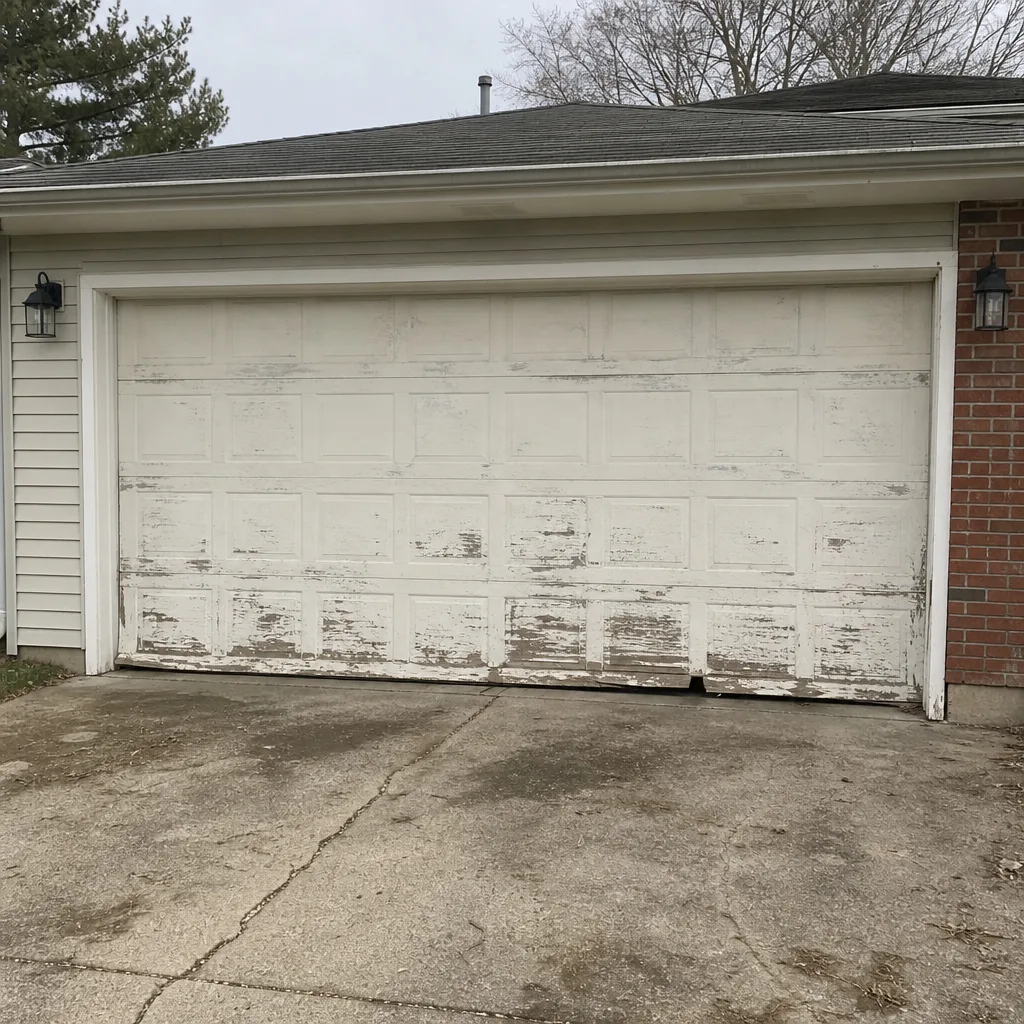 Before
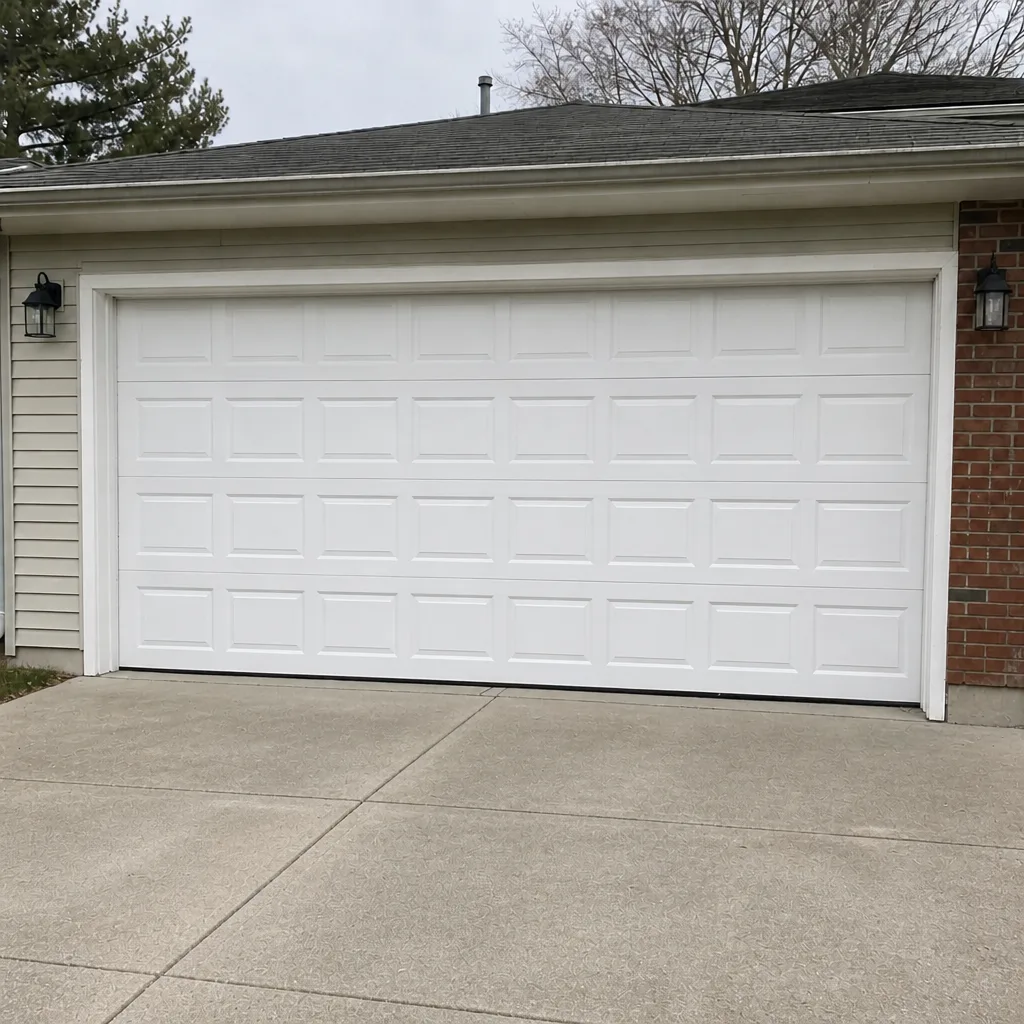 After
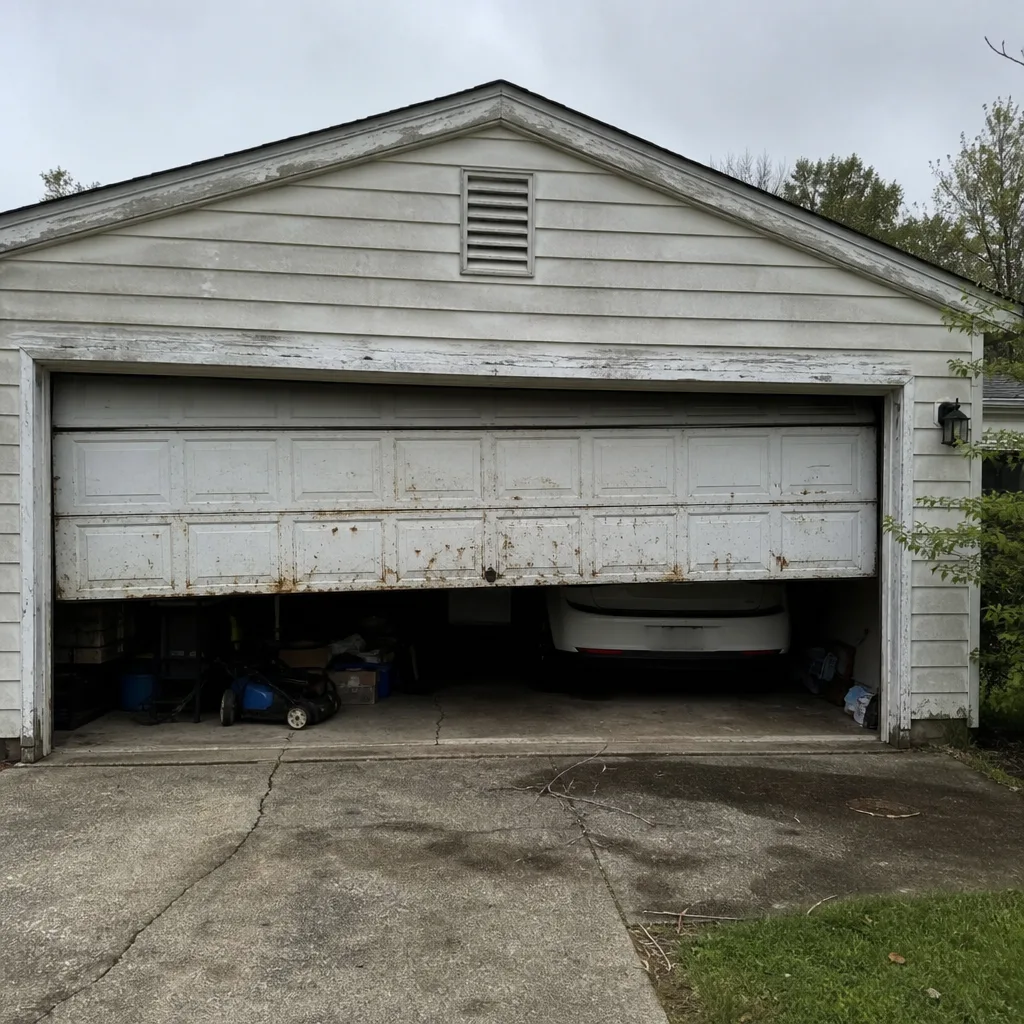 Before
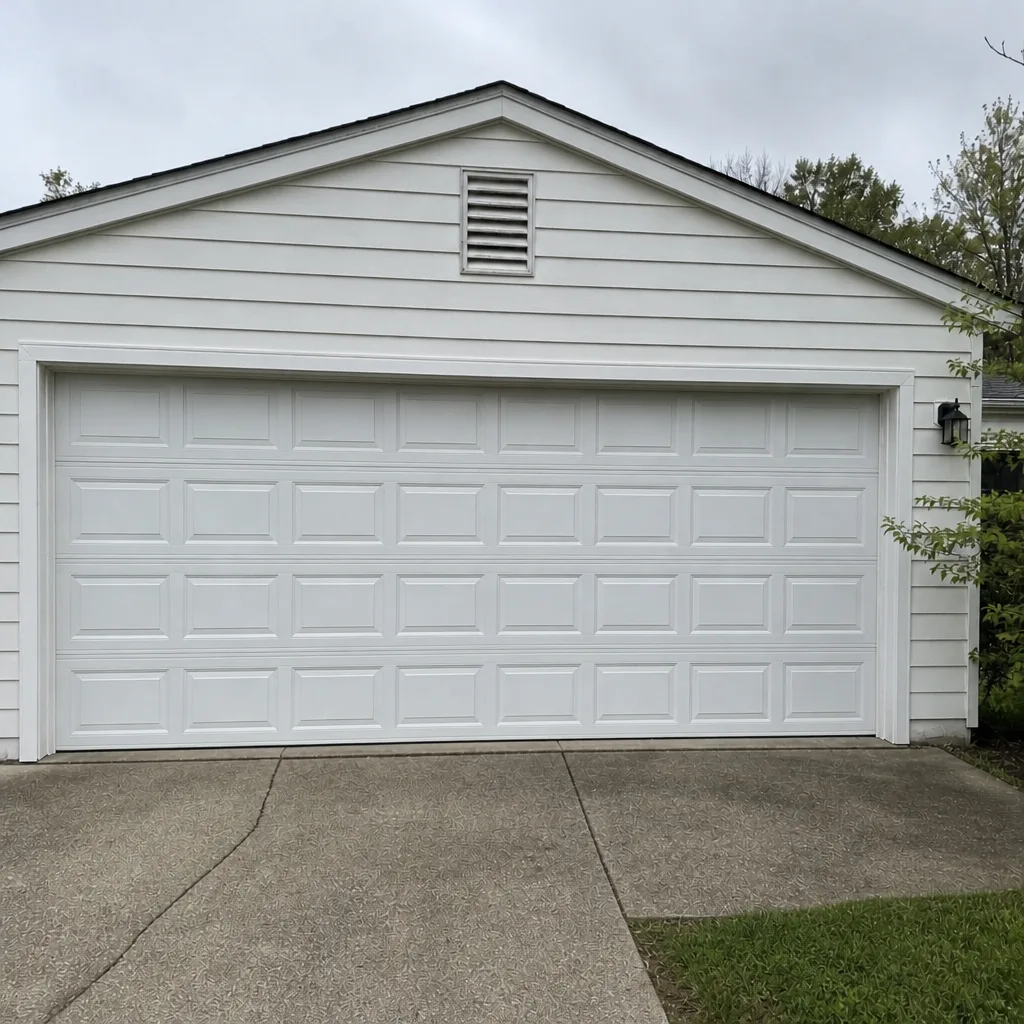 After
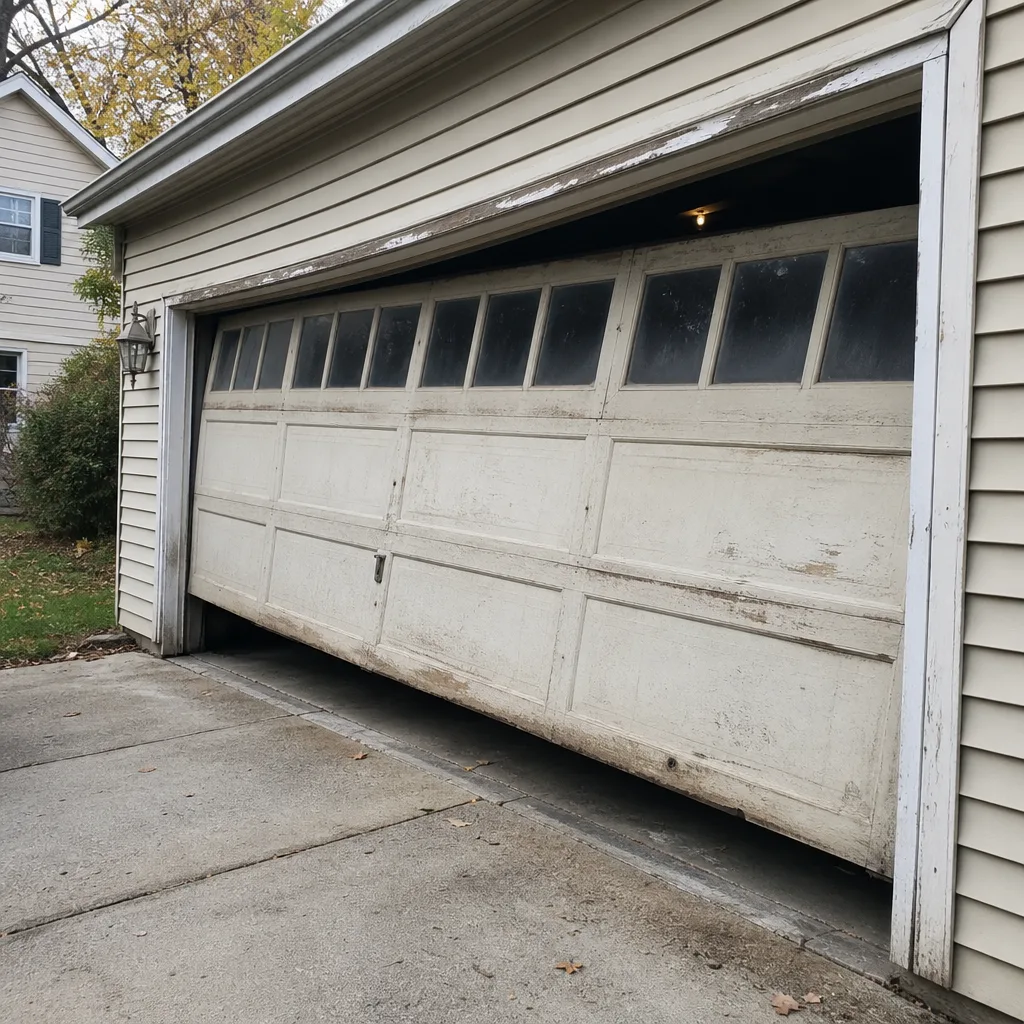 Before
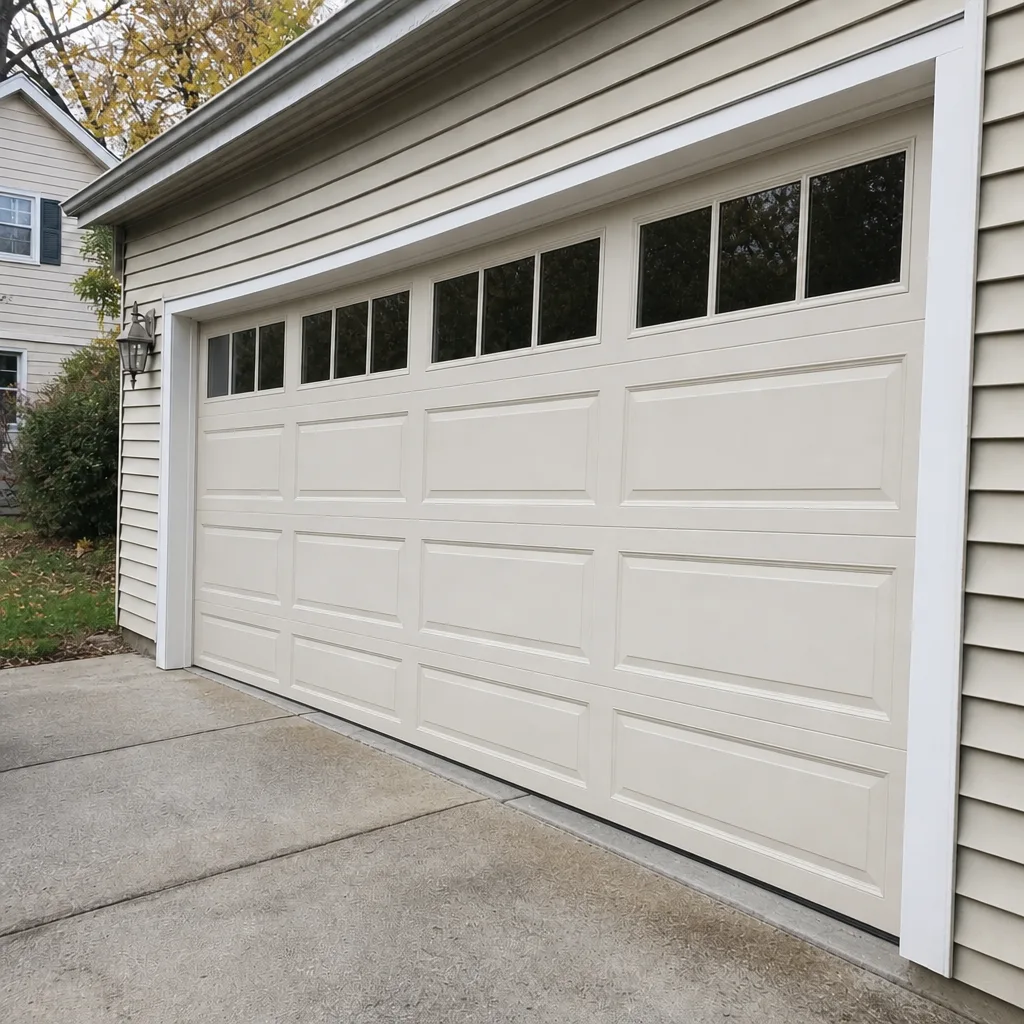 After
Common Mistakes to Avoid
- Buying the brand instead of the spec. A premium nameplate on a 27-gauge door is still a thin door. Confirm gauge, R-value and cycle rating before you commit to any logo.
- Skipping the separate warranty read. Panel coverage, hardware coverage and labor are three different terms, and the gap between them is where surprise costs live. Ask for all three in writing.
- Assuming your neighbor’s door is the same as yours. Same brand, different product line and a ten-year-old catalog is not a recommendation. Spec for your opening.
- Underinsulating an attached garage near 62 or 270. Central Ohio summers and winters are hard on an uninsulated door, and road spray near those corridors is hard on the finish. Spec for the climate, not just the look.
- Pairing a heavy insulated door with an undersized opener. The motor strains, the safety system gets stressed, and the opener fails sooner. Match opener capacity to door weight.
- Accepting a verbal price. A number on a phone call isn’t the price. Get an itemized written estimate, and remember the written estimate sets the final price, no surprises after.
- Letting a salesperson skip the measurement. A door specced before the opening is measured is a door that may not fit or may not work with your headroom. Measurement comes first.
When to Call a Professional
Some decisions are safe to make on your own. Others aren’t. Call us when you need a spec read on a quote you’ve received, when a dealer is pushing a brand over a spec conversation, or when your existing door is failing and you’re deciding between repair and replacement. Call when you want someone to measure the opening and tell you honestly whether a new door is worth it or whether a repair will do. Call when your opener is straining under a heavier door, or when a spring has failed and the door won’t lift. Springs and cables sit under extreme tension, and a failed spring is dangerous to touch, so leave that to a trained technician. Garage Door Repair Gahanna offers free estimates in Gahanna; call (855) 658-5316. We answer 24/7. Fast dispatch from 7am to 7pm, Sunday through Friday.
Frequently Asked Questions
There’s no single best brand; the best door for your Gahanna home is the one whose steel gauge, R-value, cycle rating and separate panel-and-hardware warranty line up with your opening and budget. In practice, a 25-gauge Amarr or Wayne Dalton at a solid insulation value beats a thinner premium-badged door. Compare the four specs, not the logo, then let a multi-brand installer spec the line for your opening. Call (855) 658-5316 for a free estimate and we’ll read your quote with you.
Cost depends on the product line and the four specs, not the brand alone, so a single-layer builder door and a fully insulated three-layer door are very different purchases even under the same nameplate. The written, itemized estimate is the price you agree to, and it’s quoted and agreed before any work starts. Call (855) 658-5316 for an exact quote; estimates are free.
No. Material grade and cycle rating matter more than the brand name for long-term performance, and a thin 27-gauge door from a well-known brand will outlast nothing if the panel flexes and dents. The brand determines which lines are available, but the gauge, insulation and cycle rating determine how the door holds up in Gahanna’s seasonal swing. Call (855) 658-5316 if you want help comparing two quotes spec-for-spec.
We work on eight of the most widely installed brands in residential use: LiftMaster, Chamberlain, Genie, Clopay, Amarr, Wayne Dalton, Craftsman and Raynor. Our technicians have up to 8 years of experience across those products, so brand-specific quirks get diagnosed rather than guessed at. We don’t claim brands outside that list.
Repair first, replace only when the door’s panels or structure are genuinely worn past saving. A failed spring, a bad opener or a bent track is a repair, not a replacement, and the brand on the door rarely decides it. We’d rather fix what you have than sell you a door you don’t need. Call (855) 658-5316 for a free estimate and we’ll tell you honestly which way it goes.
Yes, for an attached garage it does. Gahanna’s humid summers and cold winters push an uninsulated door’s heat loss straight into the rooms behind it, and an insulated three-layer door eases that load on your HVAC. Homes near Route 62 or Interstate 270 also get winter road spray that’s hard on the finish, so a factory finish with good paint warranty coverage is worth speccing. Call (855) 658-5316 for a free estimate and we’ll spec the R-value to your garage.
The Bottom Line
Brand is the packaging; the four specs are the door. Steel gauge, R-value, cycle rating and separate panel-and-hardware warranty tell you what a nameplate can’t, and reading them keeps you out of both the neighbor-logic trap and the salesperson’s shelf-clearing pitch. For Gahanna homes, spec insulation and a good finish for central Ohio’s seasonal swing, and match your opener to the door you choose. Amarr, Wayne Dalton, Raynor and Clopay all make the right door at some tier; the job is picking the tier. We work on the brand you already have, and we’ll spec the right door for your opening rather than anyone’s distributor relationship. Call (855) 658-5316 for a free estimate. We answer 24/7. Fast dispatch from 7am to 7pm, Sunday through Friday.
Written by the team at Garage Door Repair Gahanna.