
Last updated November 22, 2026
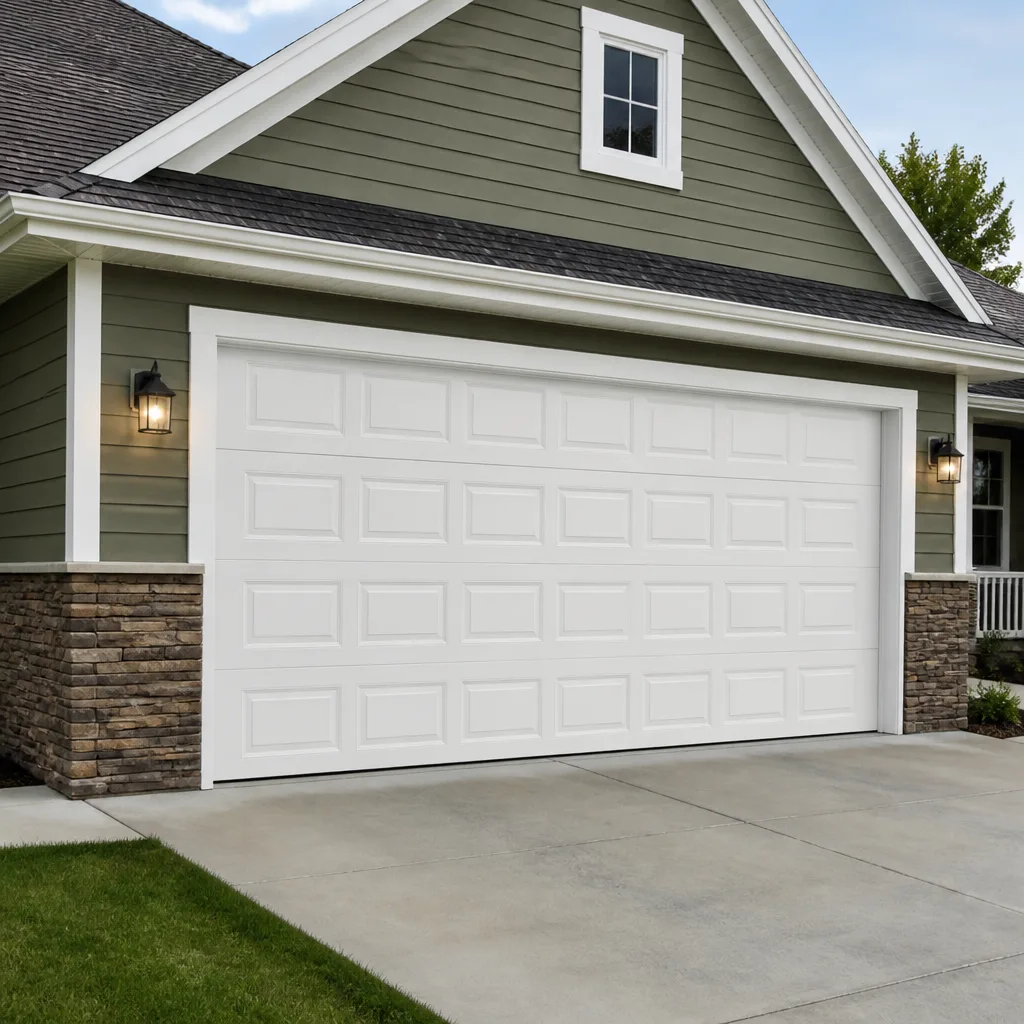 Raised-panel steel
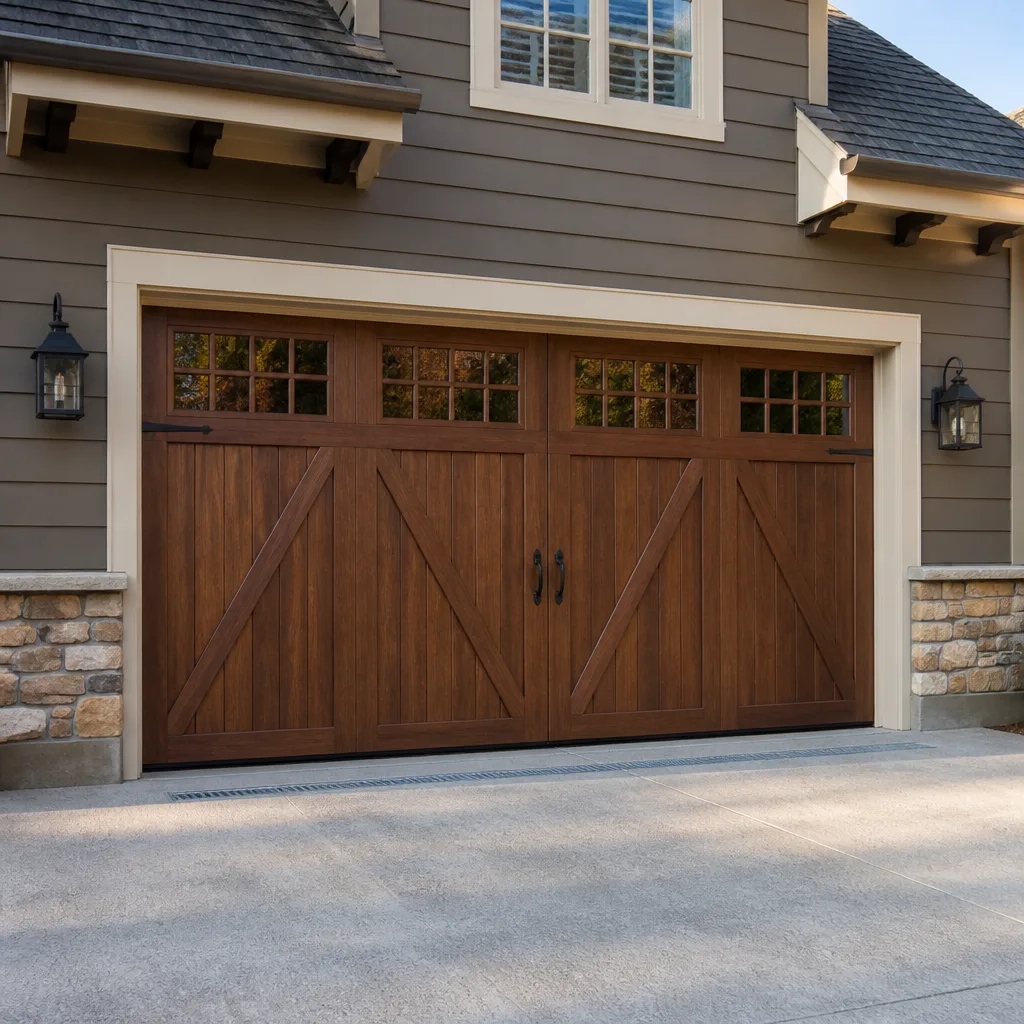 Carriage house
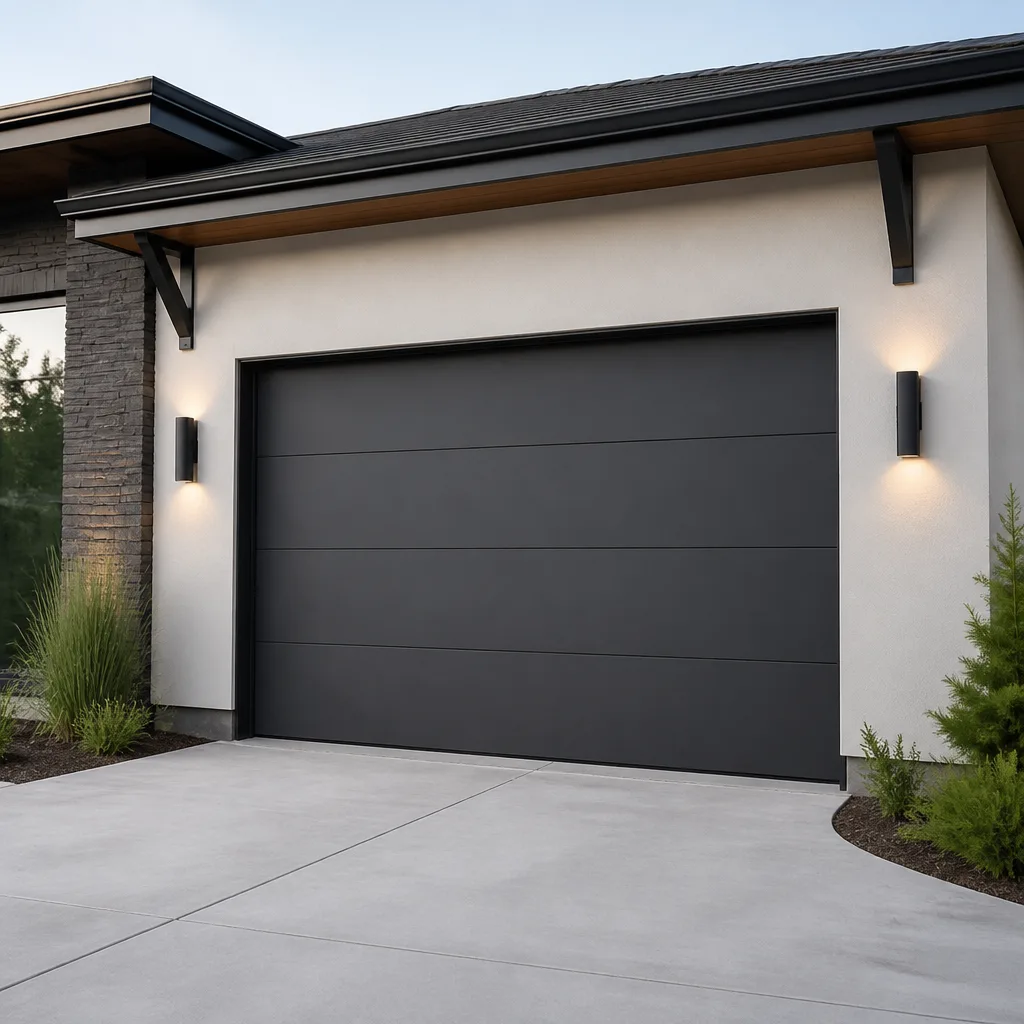 Modern flush
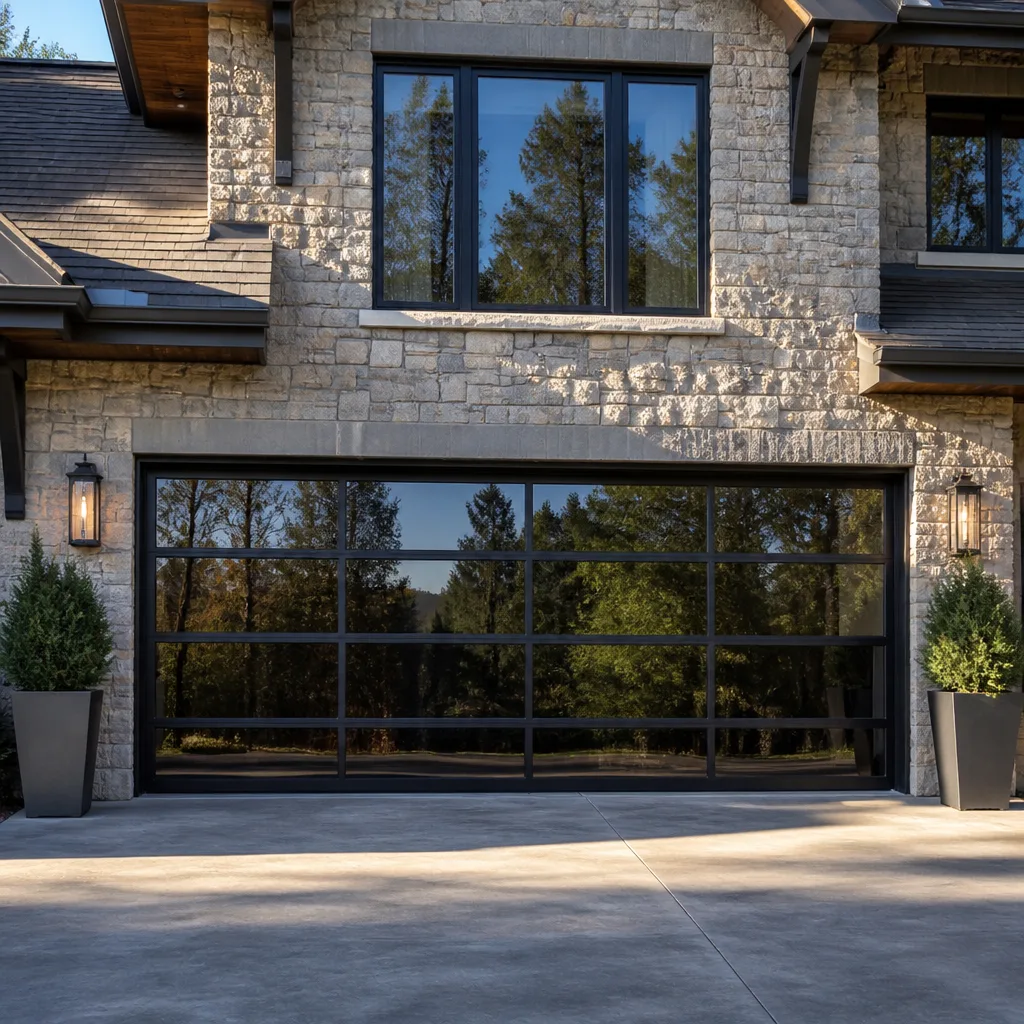 Full-view glass
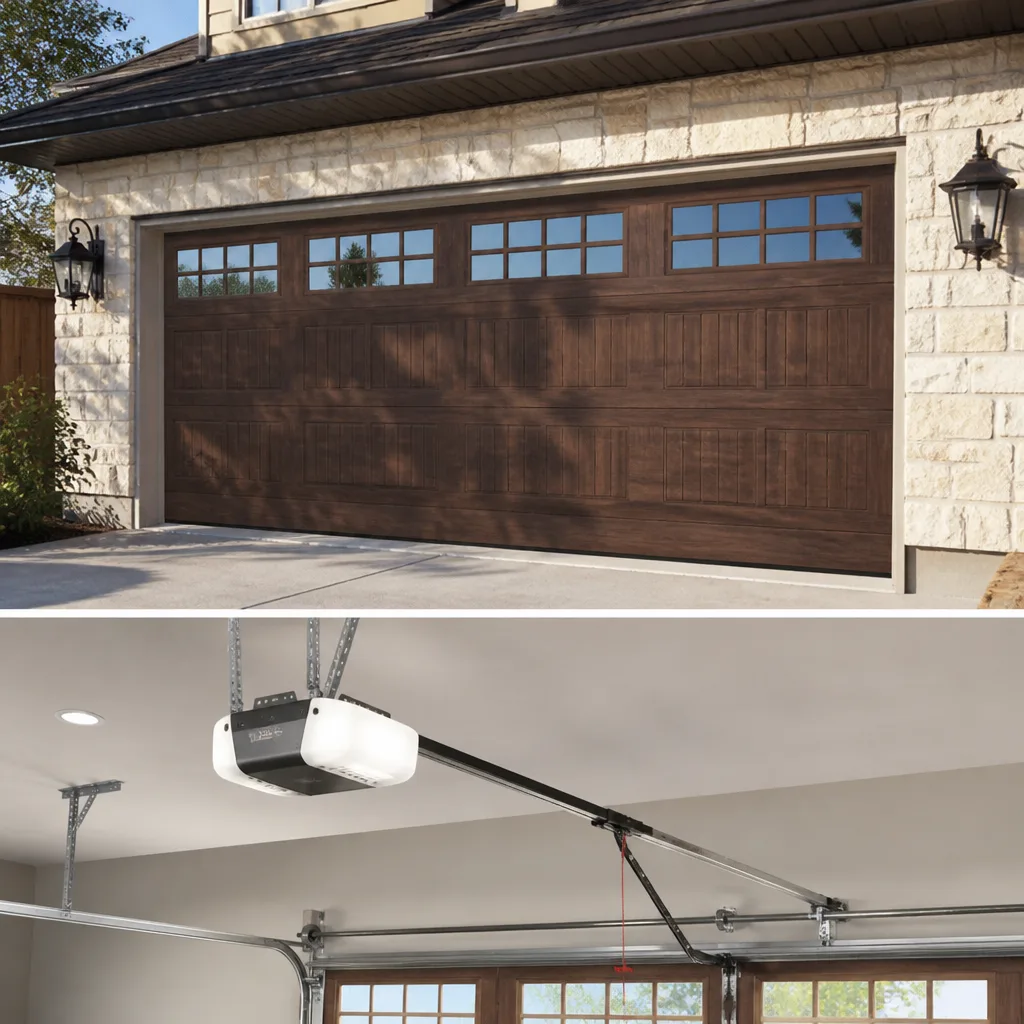 LiftMaster openers
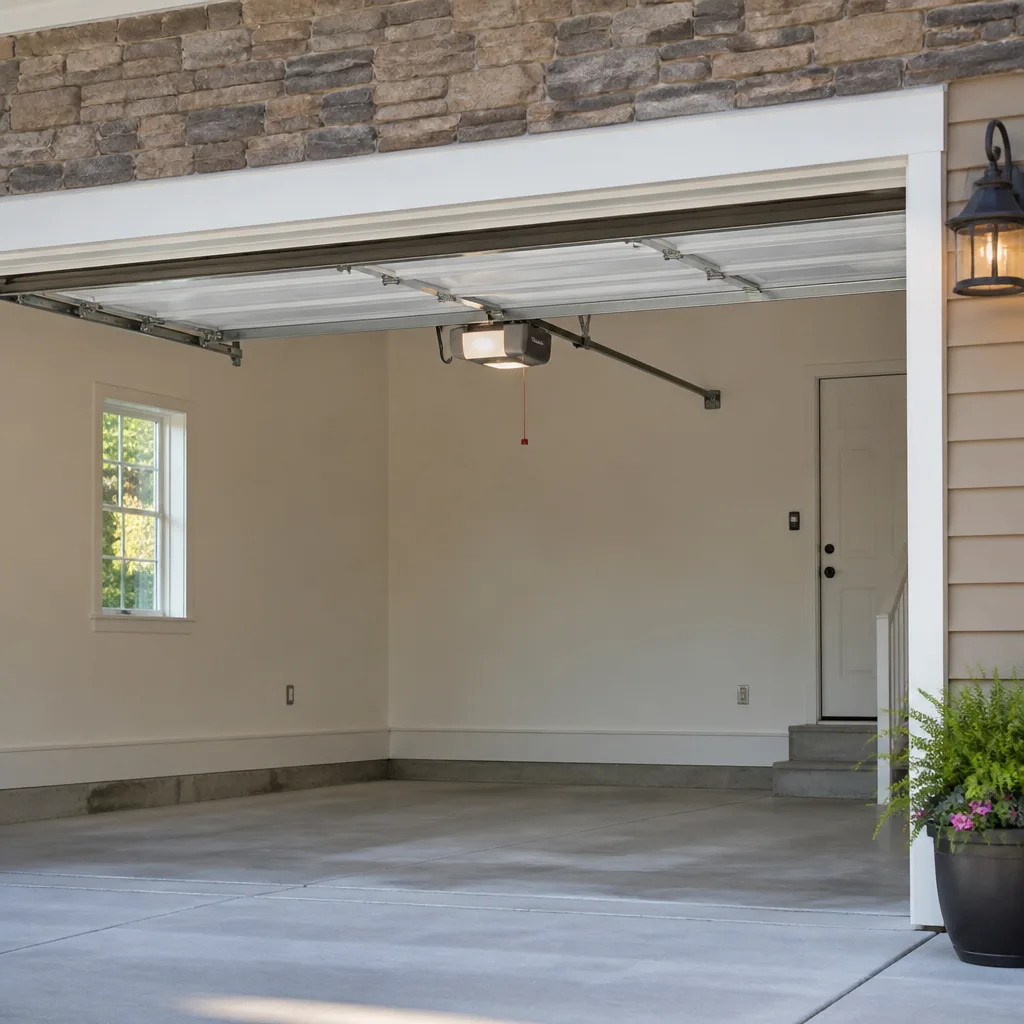 Chamberlain openers
Full 25-point door and opener safety check with every visit - springs, cables, rollers, tracks, and your LiftMaster or Chamberlain opener included
You get a price before we start. It does not change when the pro arrives.
Get your free estimateSeasonal Garage Door Care for Gahanna: Year-Round Homeowner’s Guide
Most homeowners treat garage door maintenance as one vague annual chore, something to get to “at some point.” That’s exactly why doors fail in February and August instead of on a mild April afternoon. Cold snaps don’t break springs on their own; the repeated freeze-thaw cycling across fall and early winter does the damage, and by January the window to catch it has closed. Gahanna sits just high enough above Columbus proper to see a few more of those freeze events each year, which shifts the maintenance calendar earlier than most people expect. This guide walks you through what your door actually needs in each of Gahanna’s four stress seasons, what to check and when, and the mistakes that turn a small adjustment into a stripped opener gear or a snapped spring.
Styles & brands we work with
- Raised-panel steel
- Carriage house
- Modern flush
- Full-view glass
- LiftMaster openers
- Chamberlain openers
Quick Answer
Garage door care in Gahanna works best as four short seasonal checkpoints rather than one annual task: inspect spring tension, the bottom seal, and opener sensitivity in October before freeze-thaw begins, handle a frozen seal carefully in winter, look for cable fraying and track misalignment in early spring after the ice, and recheck balance and spring tension in summer when heat makes doors feel sluggish. Each checkpoint takes minutes, and October is the one most homeowners skip and later regret.
Table of Contents
- Why Gahanna Needs Four Seasonal Checkpoints, Not One
- Fall: The Pre-Winter Checklist That Actually Matters
- Winter: A Door Frozen to the Floor and What Not to Do
- Spring: Catching What the Ice Left Behind
- Summer: Why Your Door Feels Sluggish in July
- Gahanna’s Micro-Climate and How It Shifts Your Timing
- How Temperature Affects Your Opener Settings
- Common Mistakes to Avoid
- When to Call a Professional
- Frequently Asked Questions
- The Bottom Line
Why Gahanna Needs Four Seasonal Checkpoints, Not One
A garage door is one of the few parts of a house made almost entirely of metal under constant tension, and metal behaves differently at 20 degrees than it does at 90. The springs that lift your door, the cables that carry the load, the seals that keep weather out, and the opener that does the pushing all change with temperature. When a door is “maintained” once a year in spring, it goes into winter unchecked and comes out of winter unaudited. That’s the gap where most failures start.
Gahanna’s seasons stress a garage door in four distinct ways:
- Fall: thermal cycling as warm days give way to cold nights, plus the first freeze-thaw cycles that work the bottom seal loose and stiffen spring steel.
- Winter: sustained cold that shrinks metal, freezes seals to concrete, and puts the heaviest strain on the opener motor.
- Spring: the thaw reveals what winter loosened, especially cable wear and track that shifted when the ground heaved under the slab.
- Summer: heat expands the spring steel, which changes the balance of the whole door and makes a healthy opener feel underpowered.
Treating these as one task means you catch problems at the wrong time. A door checked in April won’t show you the spring tension it will have in November. If you’d rather have the whole door looked at once by someone who knows what to look for, our Garage Door Repair Gahanna team is the place to start.
Fall: The Pre-Winter Checklist That Actually Matters
October is the month to inspect, not January when a problem has already turned into a failure. Fall is when you prep the door for the freeze-thaw cycles that will do the real damage over the next three months. A focused pre-winter check on three things catches most of what winter would otherwise break.
1. Spring tension
Your torsion or extension springs are under enormous stored force. As the temperature drops, that steel contracts and can change how much lift the door needs and how much the spring provides. In fall, listen for a door that starts to feel heavy or drops too fast as it closes, or one that’s slow to rise. Those are signs the spring is beginning to lose tension. Don’t try to adjust or tighten a torsion spring yourself; it’s one of the most hazardous jobs on a garage door, and the wrong move can cause serious injury. This is a job for a trained technician, and dedicated garage door spring repair should always be handled by someone who knows the tool and the danger.
2. Bottom seal
The bottom weather seal is your first line against cold air and moisture. Run a hand along it and look for cracks, hardness, or gaps against the floor. A stiff, cracked seal lets water in, and once water gets under the door and freezes, the door sticks. Replacing a worn seal in fall is far easier than dealing with a frozen one in January.
3. Opener sensitivity settings
Most modern openers (LiftMaster and Chamberlain are the most common, with Genie and Craftsman close behind) have force and travel-limit settings that tell the opener how hard to push and how far to go. Those settings are tuned for mild weather. Before winter, check that the door reverses properly when it meets an obstruction and that it closes fully. If the opener has to strain to close the door now, it will strain harder in the cold.
Fall is also the best time to schedule a preventive visit. The written estimate you get before any work starts is the price you pay; there’s nothing that appears later. Fall is about catching problems while the fix is still small.
Winter: A Door Frozen to the Floor and What Not to Do
A garage door frozen to the floor is one of the most common winter calls in Gahanna. The bottom seal bonds to the concrete overnight, the opener tries to lift it anyway, and the opener’s gear or force settings take the abuse. Knowing what to do, and what not to do, is the difference between a five-minute fix and a stripped motor gear.
What to do when the door is frozen shut
- Stop pressing the opener. If the door doesn’t move after one attempt, release the button and don’t keep cycling it. Repeated attempts are what strip opener gears and burn out motors.
- Look for the ice. Check along the bottom seal and the sides where the door meets the frame. Ice usually collects at the corners and along the center of the bottom edge.
- Melt gently. A warm (not boiling) bucket of water poured along the frozen edge, or a hair dryer on a low setting held a safe distance from seal material, will free a bonded seal without damage.
- Never chip at it with a tool. A chisel, scraper or shovel will tear the seal and can gouge the door panel.
- Clear the threshold before it refreezes. Once the door is free, dry the bottom edge and remove standing water so it doesn’t bond again the next night.
What not to do
Don’t force the door with a pry bar or a shovel under the edge. Don’t keep hitting the opener. And don’t try to reset the opener’s force settings in the cold to “make it push harder” – that’s a path to a stripped gear when the ice does let go. If a door won’t open at all because of an ice-jammed mechanism, a fast, safe repair matters more than a clever workaround. Our garage door repair service handles frozen doors, stuck doors and emergency failures.
Spring: Catching What the Ice Left Behind
Post-winter is the single best time to look for the damage that cold weather leaves behind. Freeze-thaw cycles and temperature contraction put stress on cables and tracks that doesn’t show until things thaw. What looked fine in December can be visibly worn by March.
Check cables for fraying
Lift cables run along the sides of the door and carry the door’s weight. Cold weather, combined with the added strain of a stiff door, can fray the cable strands. Look for fuzzy, broken strands, kinks, or a cable that’s come off its drum. A frayed cable is a safety concern, not a cosmetic one – a cable that snaps under load can let the door fall. If you see fraying, don’t operate the door; get a professional to look at it.
Check tracks for misalignment
When the ground under a garage slab heaves and settles with freeze-thaw, the tracks can pull slightly out of square. A door that suddenly rubs, jumps, or binds on one side is often a track that moved a fraction of an inch over winter. Spring is the moment to correct it, before the door wears unevenly and starts dragging on the opener.
Recheck balance and rollers
Disconnect the opener (pull the release handle) and lift the door halfway by hand. A balanced door should stay put when you let go. If it drops or rises on its own, the spring tension has shifted over winter. Inspect the rollers too; cold makes them brittle, and a cracked roller can derail the door. This is also the ideal time to book a full inspection and adjustment, so problems are corrected before the summer heat adds its own stress.
Summer: Why Your Door Feels Sluggish in July
When your door feels heavy or sluggish in July, the instinct is that the opener is dying or worn out. Often it’s the opposite: the door is over-balanced. Here’s the mechanism. Heat expands the spring steel in your torsion springs, which increases the stored tension. A door that was nicely balanced at 55 degrees may be fighting its own springs at 90. The opener pushes harder than it should, the door slams down harder than it should, and the whole system runs hot and loud.
Signs of a heat-related balance problem
- The door closes with a heavy thud instead of a gentle seal.
- The opener grinds or strains, especially in the afternoon heat.
- The door drops quickly on the last few inches of travel.
- Manual lift feels different in July than it did in October.
If you’re hearing a loud opener this summer, don’t assume you need a new motor. Have the door’s balance and spring tension checked first. A sluggish-feeling door is often a balance adjustment, not an equipment replacement, and we’d rather fix the balance than sell you a new opener you don’t need. Summer is also a good time to check the opener’s safety sensors and the manual release, since high-heat electrical strain is no joke.
For a door that’s over-balanced or has a spring problem in summer, don’t try to correct the tension yourself. Call in a professional. Our dedicated garage door spring repair service is set up for exactly this. If the opener itself is the problem, our garage door opener repair team works across the major brands, including LiftMaster, Chamberlain and Genie, and diagnoses the root cause rather than guessing.
Gahanna’s Micro-Climate and How It Shifts Your Timing
Gahanna sits at a slightly higher elevation than Columbus proper, and that small difference matters for garage door maintenance. Higher ground means Gahanna sees marginally more freeze events each winter than the city below it. The first hard freeze often arrives earlier, overnight lows can dip a touch lower, and the thaw can lag by a few days. For a garage door, “a few more freeze cycles per year” translates into a firmer maintenance calendar – and an earlier start.
What this means for your timing
- Start the fall check in early October, not late October. If the first hard freeze comes early, you want the seal and spring already checked.
- Don’t wait for a January thaw to address a winter problem. In higher neighborhoods around Gahanna, the freeze can hold longer than neighboring Columbus communities, so a stuck door may stay stuck.
- Spring inspection a little earlier. Watch for the thaw to finish, then do the cable and track check. In Gahanna, that’s often a week or two ahead of what homeowners in the city proper expect.
- Summer heat is the same, but the door has already been through more freeze cycles by July. If your door feels sluggish, the springs have been worked harder than a similar door lower in elevation.
None of this is dramatic. It just means that in a Gahanna neighborhood like the ones around Academy Woods or along Hamilton Road, a checklist that’s tuned to “somewhere in Ohio” is a little too late all year round. The climate here is mild enough that most doors survive years of neglect, right up until they don’t. The extra freeze cycles are the reason a door here tends to fail in a hard cold spell rather than on a calm day.
How Temperature Affects Your Opener Settings
Your opener doesn’t just push the door; it responds to whatever the door is doing. That means the opener’s force and travel-limit settings need to match the door’s behavior across the seasons. A setting that’s perfect in October can be wrong in January and wrong again in July. Seemingly minor differences – a half-inch of extra travel in the cold, an extra ounce of force in the heat – add up to strain on the opener’s gear and motor.
What to check and when
- Fall: Confirm the door reverses on contact with an obstruction and closes fully. Set force a notch higher only if the door is genuinely heavy, not to mask a spring problem.
- Winter: Don’t crank up the force because the door is binding on ice. Fix the ice, not the opener.
- Spring: Recheck travel limits after any track adjustment. A track that moved often needs the travel limit reset.
- Summer: If the opener strains in heat, check the door’s balance before touching force settings.
A quick test you can do all year: press the button and watch the door. It should move smoothly, stop cleanly, and reverse if it meets your hand or a box in its path. If it does anything jerky or slow, the setting or the door itself is off. If you’re not sure which, a professional can tell you in one visit. We also handle all of this as part of a standard garage door opener repair check, from LiftMaster and Chamberlain to Genie and Craftsman.
Common Mistakes to Avoid
- Doing the annual check in spring instead of fall. By spring, the damage from fall and winter is already done. In Gahanna, the pre-winter check is the one that matters most, and October is when to do it.
- Forcing a frozen door open with the opener. Repeatedly pressing the button on a stuck door is the fastest way to strip an opener gear. If it doesn’t move once, stop.
- Adjusting the springs yourself. Torsion springs store enormous energy, and a slip can cause serious injury. Don’t tighten, release, or adjust a spring yourself. Leave it to a trained technician.
- Cranking up opener force to make a heavy door move. A door that needs more force in cold weather or summer heat is telling you something is wrong with the door’s balance or the springs, not the opener. Adding force masks the real problem.
- Ignoring a sluggish door in July. Heat expands spring steel, and a “sluggish” door is often over-balanced, not underpowered. A balance check is cheaper than a new opener.
- Skipping the bottom seal check. A cracked seal lets moisture in, which freezes under the door. That frozen seal is the start of every stuck-door call in January.
- Patching a problem with a new opener. A loud, slow or straining opener is often a symptom of a door problem. Fixing the door first is the cheaper and more durable route.
When to Call a Professional
Some jobs are fine to handle yourself: checking the seal, watching the door for jerky movement, drying a frozen threshold. Others are not. Call a professional if you see a frayed or kinked cable, if the door drops or rises on its own when half-open, if the opener strains or grinds, or if a door won’t open, won’t close, or is stuck and won’t release. A spring that’s snapped, a door hanging off its track, or a door that’s stuck and won’t budge are all safety concerns, not DIY projects. The garage door is the largest moving object in most homes, and it’s under enough tension to seriously hurt someone.
Garage Door Repair Gahanna offers free estimates in Gahanna – call (855) 658-5316. We work on the brand you already have, and our technicians have up to 8 years of experience with the major door and opener lines. If you’re not sure whether the door is safe to operate, don’t force it. We answer 24/7, with fast dispatch from 7am to 7pm, Sunday through Friday, and we can take a look and tell you what the fix actually is before any work starts.
Frequently Asked Questions
Early October is the best checkpoint, followed by a spring check after the thaw. Gahanna sees a few more freeze events than Columbus proper because of its slight elevation, so starting the fall check earlier – around the beginning of October – means the seal and springs are ready before the first hard freeze. Call (855) 658-5316 for a free estimate.
Stop pressing the opener, melt the ice gently with warm water or a hair dryer on low, and never chip at the seal with a tool. Repeatedly forcing the opener is what strips the gear. If the door still won’t move after you’ve melted the ice, it needs a professional look. Call (855) 658-5316.
Heat expands the torsion spring steel and increases tension, which can make a balanced door feel over-balanced and sluggish. It’s usually a door or spring adjustment, not a failing opener. Have the balance checked before replacing the opener. Call (855) 658-5316 for a free estimate.
No. Torsion and extension springs are under extreme stored tension, and adjusting them yourself is one of the most dangerous jobs around a home. If the door feels heavy, drops fast, or won’t balance, call a professional. Our dedicated garage door spring repair service is the safe route. Call (855) 658-5316.
A seasonal check covers spring tension, bottom seal condition, cable and track inspection, opener safety settings, and door balance. In Gahanna, the most important of these is the fall check before freeze-thaw cycles begin. The exact price is set by a written estimate before any work begins. Call (855) 658-5316 for a free estimate.
Yes, a door that won’t open or close is both a security risk and a safety concern, and shouldn’t be forced. We answer 24/7 with fast dispatch from 7am to 7pm, Sunday through Friday. Call (855) 658-5316 and we’ll book a visit or take care of it as soon as possible.
The Bottom Line
Garage door care in Gahanna works best as four seasonal checkpoints, not one generic maintenance visit. Start in early October with spring tension, the bottom seal and opener sensitivity. Handle a frozen door gently in winter and never force the opener. In spring, catch the cable fraying and track misalignment the ice left behind. In summer, check balance before blaming the opener. Gahanna’s slight elevation means a few more freeze cycles than Columbus proper, which pushes each checkpoint a little earlier. Do these checks and your door holds up through the year; skip them, and it fails when you least expect it.
If anything’s outside your comfort zone – a heavy door, a frayed cable, an opener that strains – don’t force it. Call Garage Door Repair Gahanna at (855) 658-5316 for a free estimate. We answer 24/7, fast dispatch from 7am to 7pm, Sunday through Friday, and we quote the price before any work starts.
Written by the team at Garage Door Repair Gahanna.
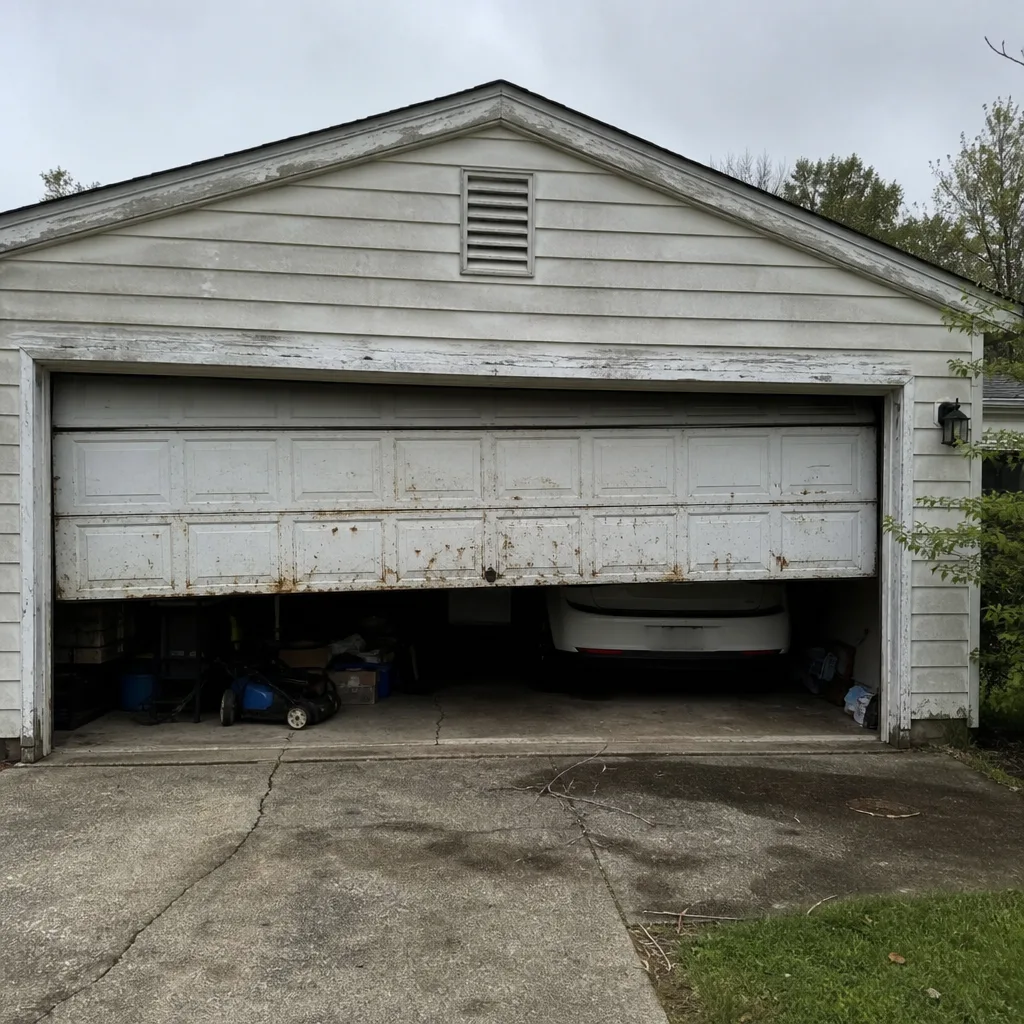
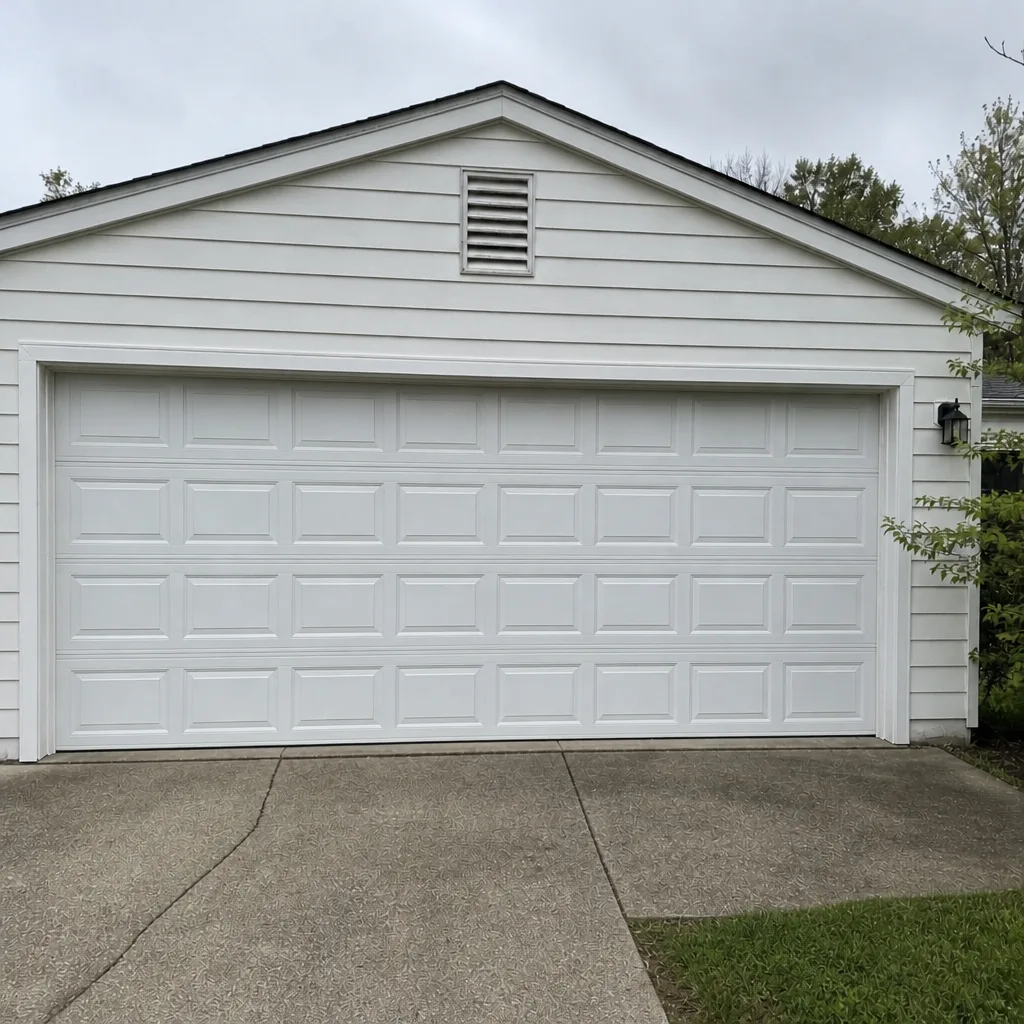
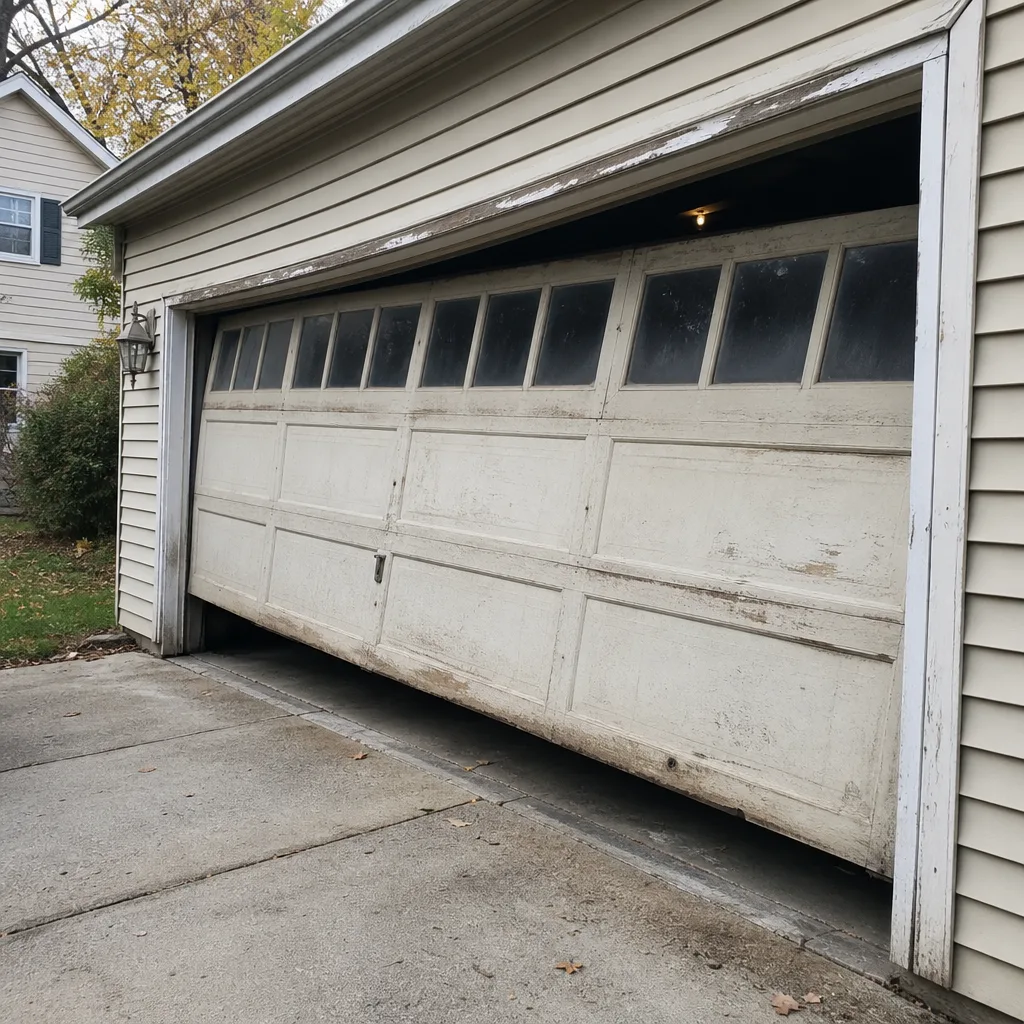
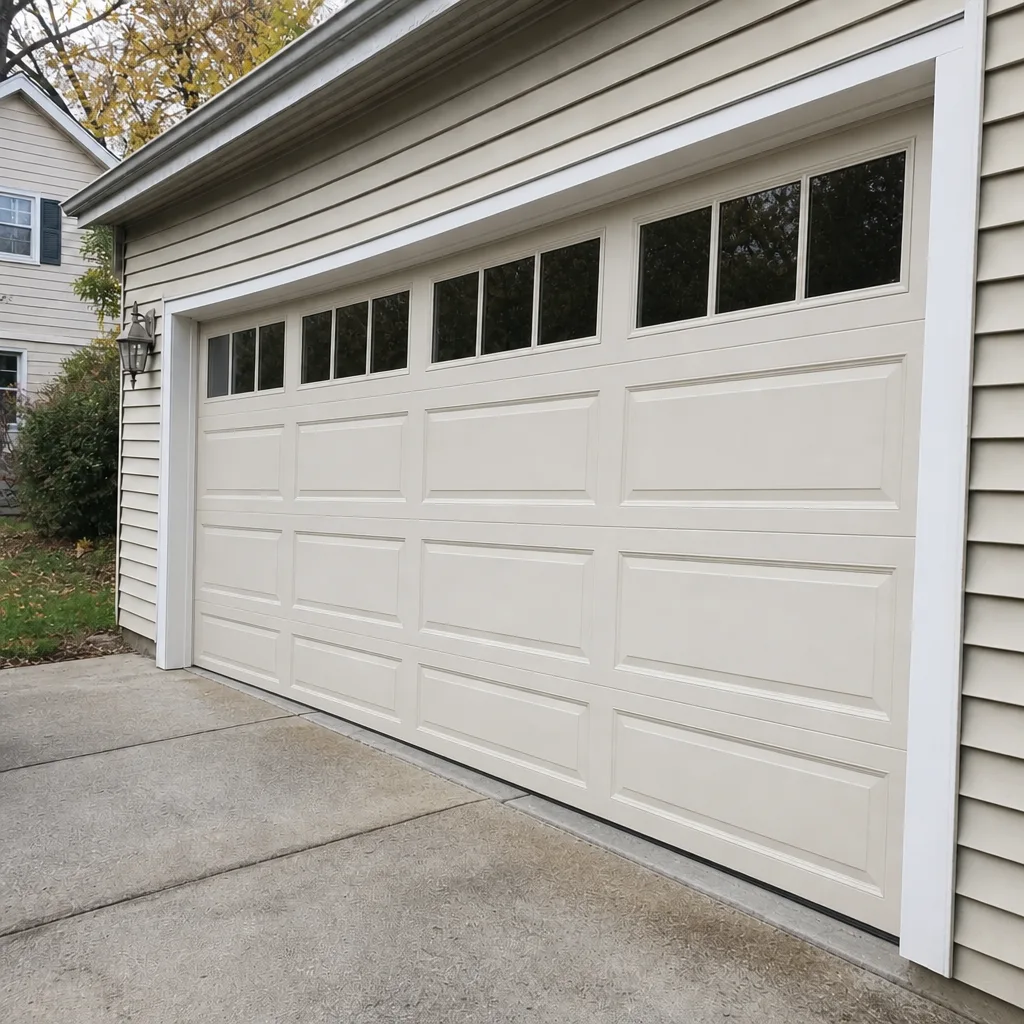
See the difference
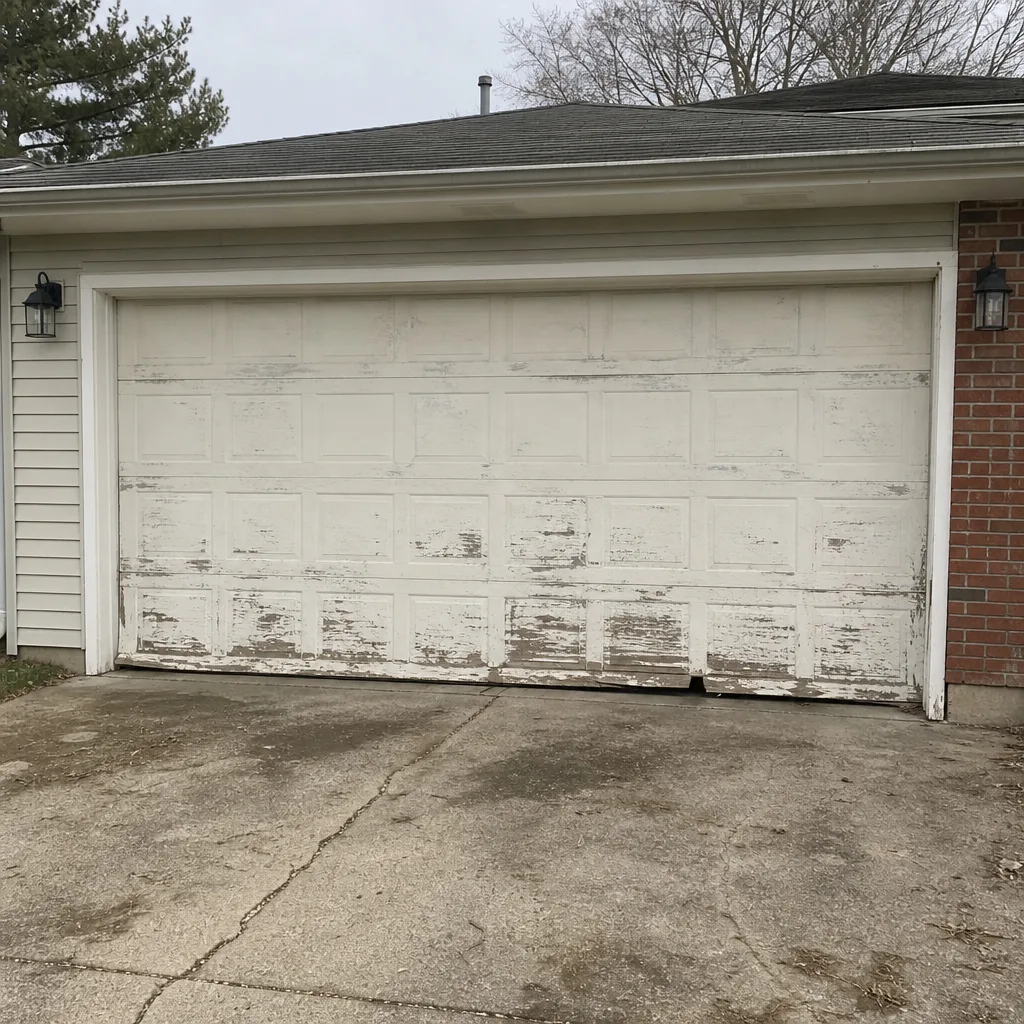 Before
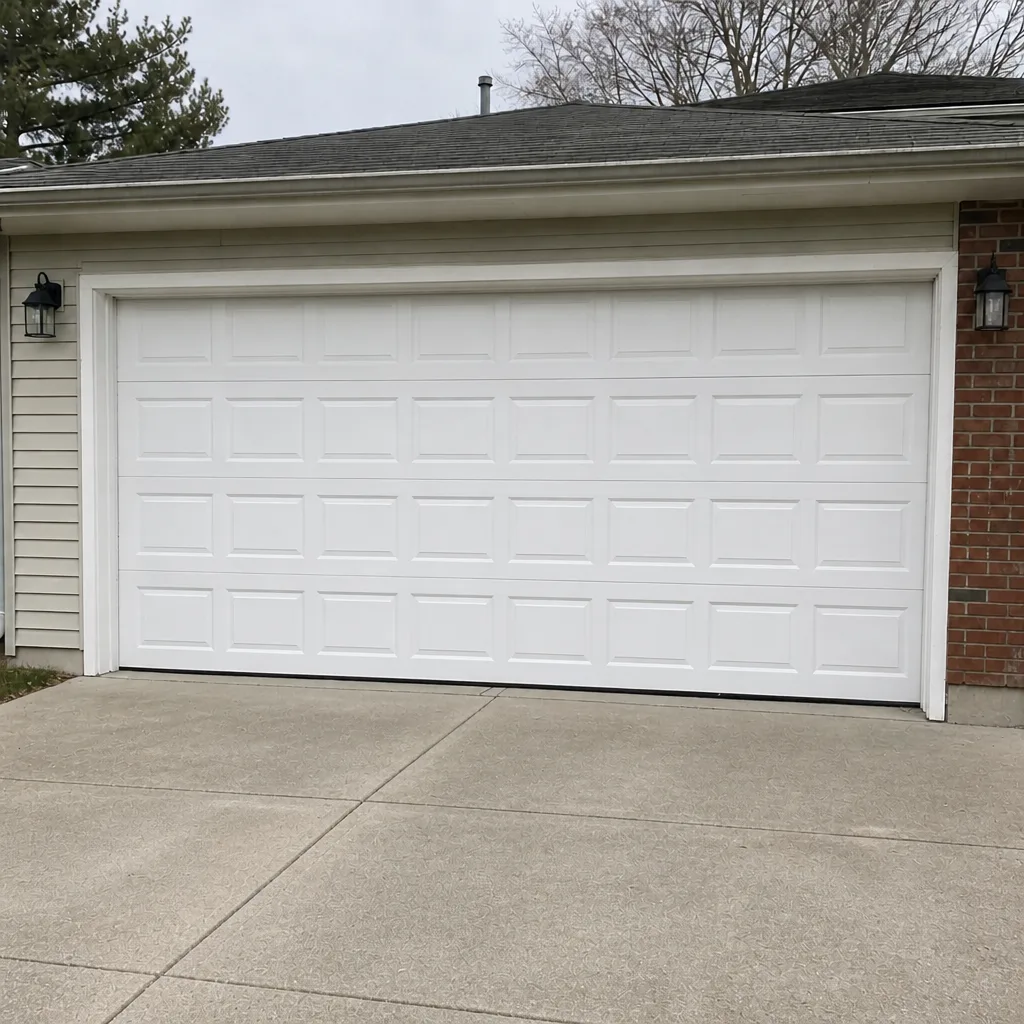 After
 Before
 After
 Before
 After