
Last updated November 22, 2026
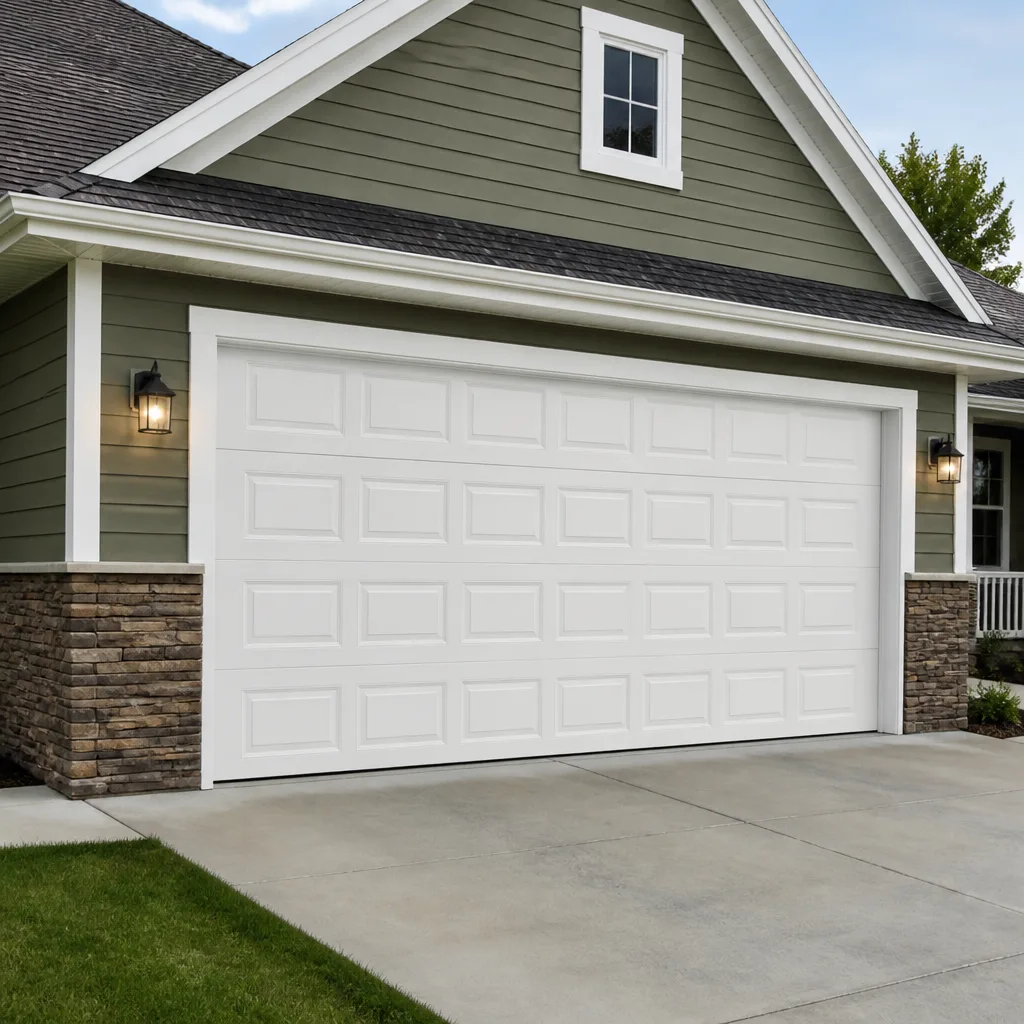 Raised-panel steel
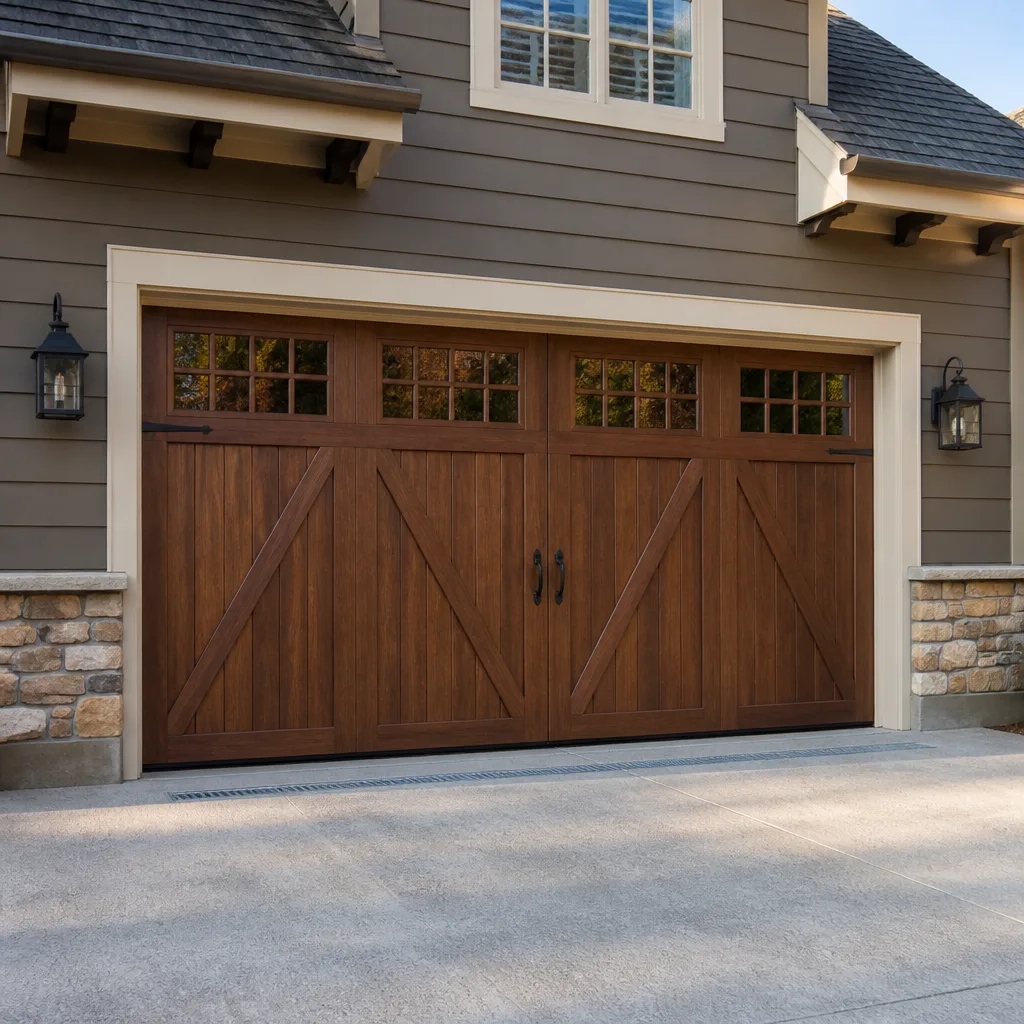 Carriage house
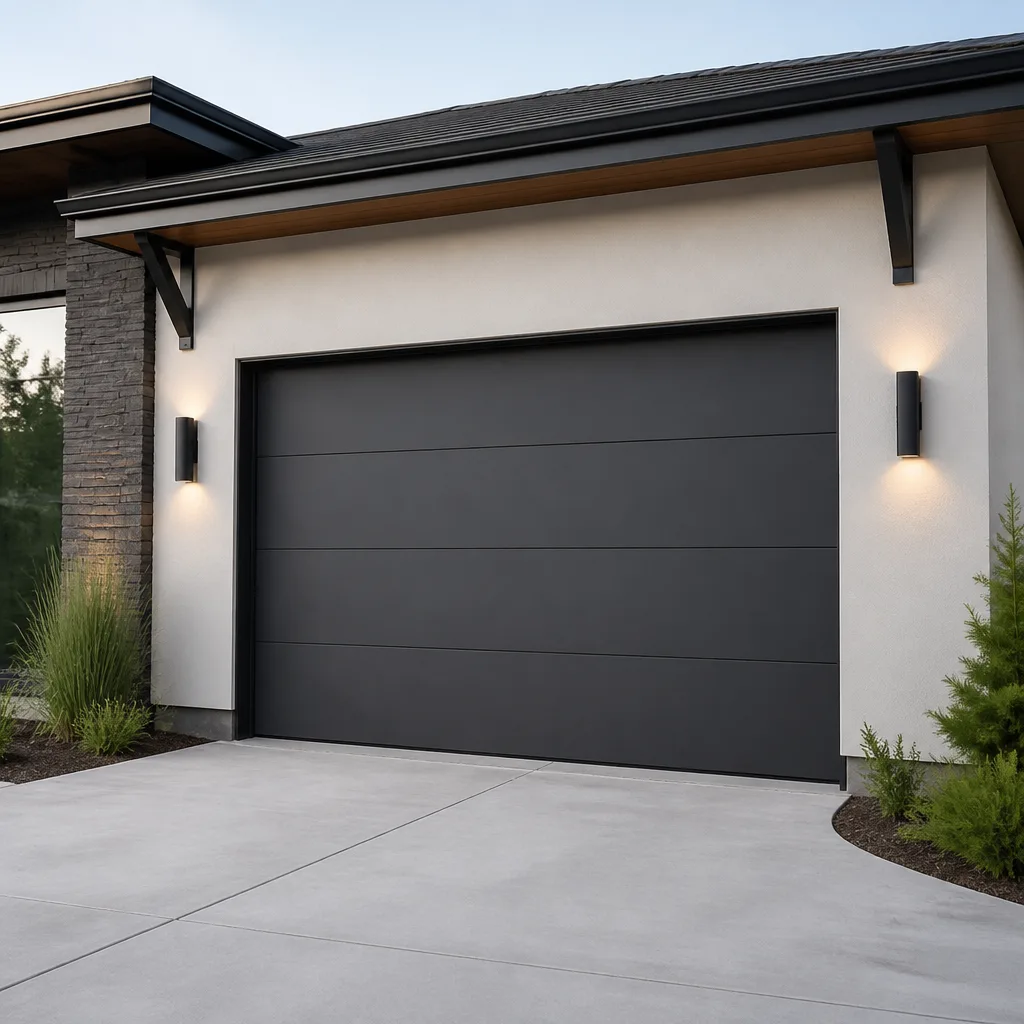 Modern flush
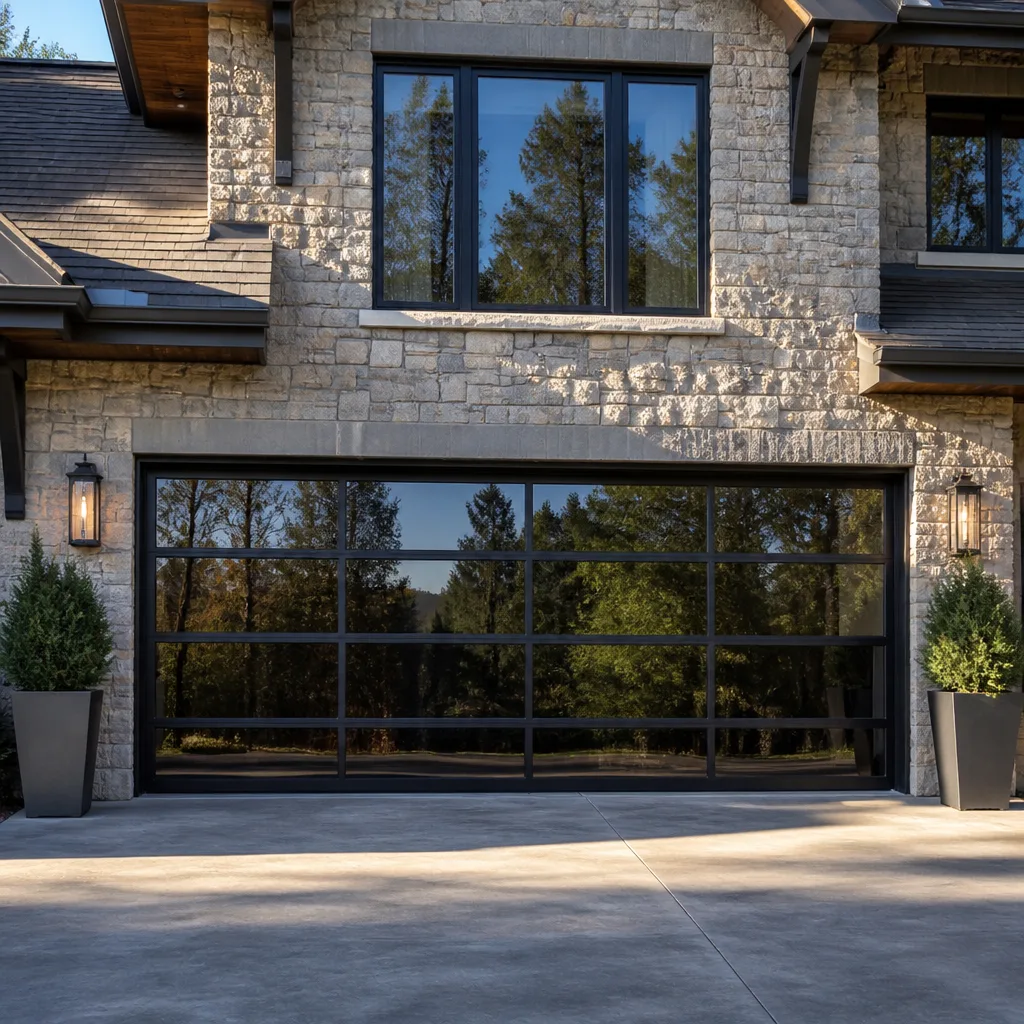 Full-view glass
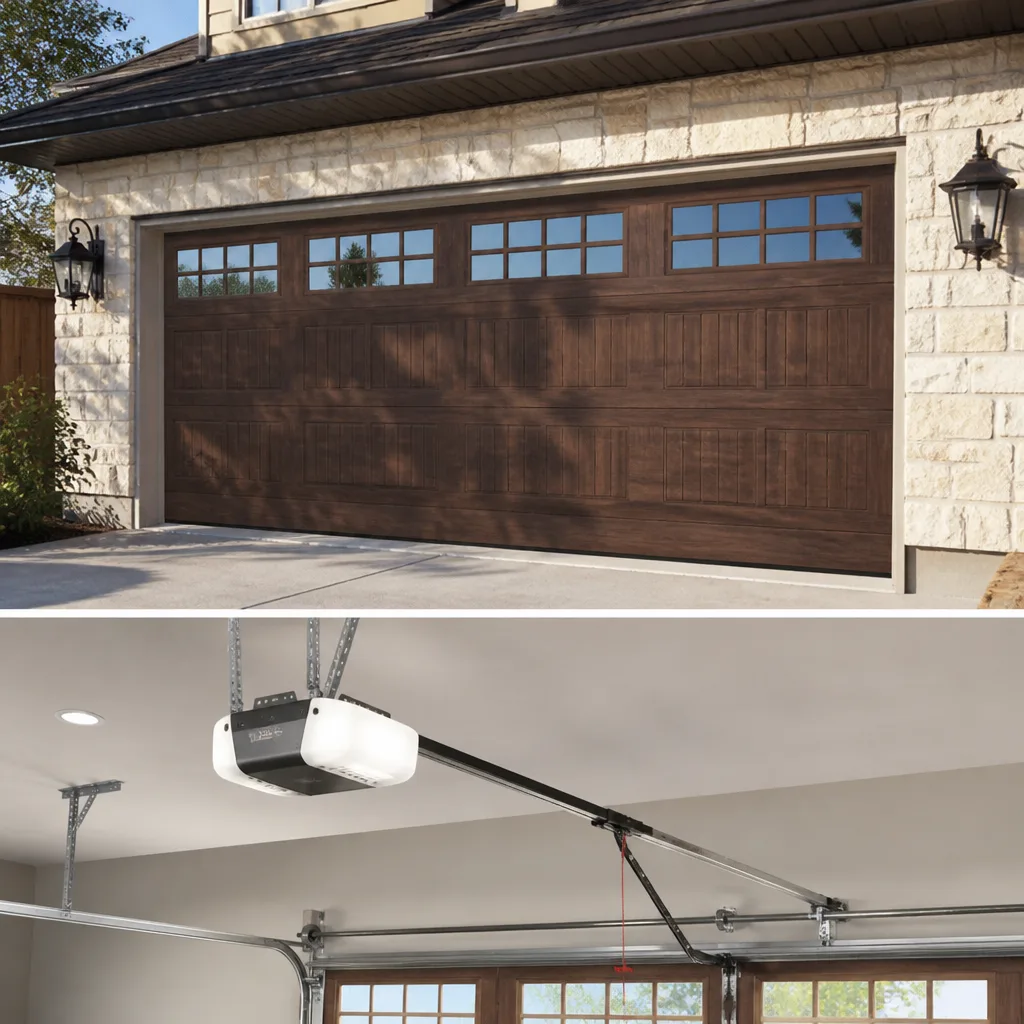 LiftMaster openers
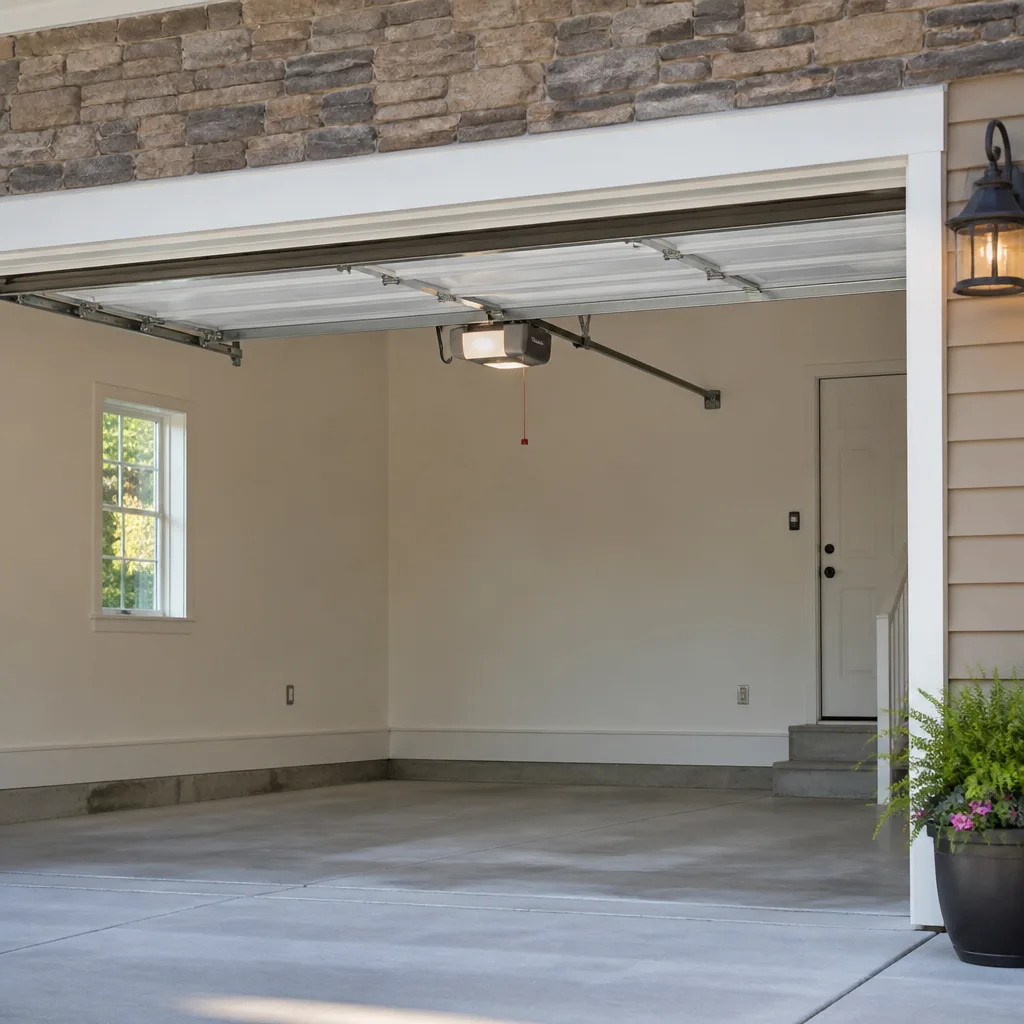 Chamberlain openers
Full 25-point door and opener safety check with every visit - springs, cables, rollers, tracks, and your LiftMaster or Chamberlain opener included
You get a price before we start. It does not change when the pro arrives.
Get your free estimateGarage Door Emergency Preparedness Guide for Gahanna Homes
The worst time to learn how to manually disengage your garage door opener is at 11pm in a February ice storm with the door stuck halfway open and a family inside. Most Gahanna homeowners never think about the release cord until the moment they desperately need it, and in that moment, panic usually wins. A garage door emergency is manageable if you’ve made two or three decisions in advance, and completely chaotic if you haven’t. This guide walks you through the real mechanics of a stuck door, what to do the second a spring snaps, how to secure a door that won’t close, and what information to keep on your phone so a service call goes smoothly. Every section is written for Gahanna homes facing real winter weather, aging openers, and the everyday wear that comes with a door opening and closing several times a day.
Quick Answer
A garage door emergency in Gahanna is manageable if you know three things in advance: how to safely use the emergency release cord, why a door with a broken spring must stay down, and how to temporarily secure a door that won’t close. Call a trained technician for anything involving springs, cables, or opener wiring, because those parts carry serious injury risk. Preparing those three things ahead of time turns a chaotic night into a manageable call.
Styles & brands we work with
- Raised-panel steel
- Carriage house
- Modern flush
- Full-view glass
- LiftMaster openers
- Chamberlain openers
Table of Contents
- How Do You Safely Use the Emergency Release Cord?
- What Should You Do the Moment a Spring Breaks?
- How Do You Temporarily Secure a Door That Won’t Close?
- What Happens During a Power Outage?
- Who Should You Call for Same-Day Help in Gahanna?
- What Two Pieces of Information Should You Keep Handy?
- How Should You Prepare for a Gahanna Winter?
- What Should You Check Every Few Months?
How Do You Safely Use the Emergency Release Cord?
The emergency release cord disconnects your door from the opener so you can lift it by hand, and it’s the single most misunderstood piece of hardware on a residential garage door. Used correctly, it gets you in and out during a power outage or a dead opener. Used incorrectly, it lets a heavy door drop fast enough to injure someone or damage the panels.
Most openers, whether LiftMaster, Chamberlain, Genie, or Craftsman, use a similar red-handled cord hanging from the trolley. The cord pulls a lever that separates the trolley from the door arm. Once separated, the door is no longer held by the motor and must be moved by hand. That’s where people go wrong.
Here’s the safe sequence:
- Make sure no one is standing under or near the door.
- Pull the release cord straight down and toward the door, not sideways.
- Lift the door slowly with both hands, keeping your body clear of the panels.
- If the door feels extremely heavy or won’t budge, stop. A door that won’t lift by hand usually has a broken spring or a cable problem, and forcing it risks the door coming down on you.
- To reconnect, close the door fully first, then pull the cord again and run the opener until it re-engages the trolley.
The step most people get wrong is lifting a door with a broken spring. Springs are what make a 150-pound door feel light. When a spring is broken, that weight is real, and it can drop suddenly. If the door feels like a dead weight, leave it down and call for help. Knowing how to garage door repair works at the component level is one thing; doing it safely with a door under tension is another. For a Gahanna home with an older door, practice the release motion once while everything is working so the movement is familiar if you ever need it.
What Should You Do the Moment a Spring Breaks?
When a torsion spring breaks, it usually announces itself with a loud bang that sounds like a gunshot coming from the garage. The door may drop a few inches and then sit there, off-balance, refusing to move. The right response is simple: leave the door down, keep everyone clear, and don’t touch the spring or the cables.
Here’s what to check, without touching anything:
- Look at the torsion bar above the door. A broken spring has a visible gap where the coil snapped.
- Listen for a lingering creak or grind if you try the opener once. Don’t keep trying it.
- Check whether the door is crooked or sitting lower on one side. That signals a spring or cable failure.
What not to do is just as important. Don’t try to lift the door by hand. Don’t spray the spring with lubricant hoping it re-seats. Don’t cut or remove anything. The spring is under extreme tension, and the cables that run alongside it can whip loose with enough force to cause serious injury. This is a job for a trained technician, which is why spring work is a dedicated service and not a general handyman task. A snapped spring on a Gahanna door is one of the most common emergency calls we handle, and the safest move is always to leave the door down until a technician arrives.
If you can see the gap and the door won’t lift, you already know enough. Call for help and keep the car outside until the door is fixed.
How Do You Temporarily Secure a Door That Won’t Close?
A door that won’t close is a security problem first and a mechanical problem second. If the door is stuck open, your home is exposed, and you need a temporary fix that holds without creating a new hazard. The good news is a few methods work, and several popular ones don’t.
Methods that work:
- Close the door manually if the opener is the only failure. Disconnect the release cord, lower the door by hand, and let it rest in the closed position.
- Use the manual lock bar or slide bolt if your door has one. Many older doors still do.
- Place a sturdy brace or a heavy piece of furniture against the inside of the door only if the door is already fully closed and the brace doesn’t block a walk-through door.
- If the door is stuck partway, secure the opening with a temporary barrier and keep the interior door to the house locked.
Methods that create a problem:
- Wedging a chair or a board under a partially open door. A door with a broken spring can shift, and that wedge won’t hold.
- Tying the door shut with rope or bungee cords. It looks secure but gives way under pressure.
- Forcing the door down with the opener while the spring is broken. That strains the opener and the panels.
For a Gahanna home, the priority is getting the door fully closed and the interior door locked. If the door won’t close because of an obstruction, check the photo-eye sensors at the base of the tracks first; a misaligned sensor is one of the most common reasons a door reverses. If the sensors are clear and the door still won’t close, the problem is usually in the opener or the door’s balance. More detail on diagnosing that lives in the garage door opener repair section of our site.
What Happens During a Power Outage?
A power outage doesn’t have to trap you in your garage. Most modern openers have a battery backup or a manual release, and both give you a way out. The key is knowing which one your opener uses before the lights go out.
Newer LiftMaster and Chamberlain units often include a battery backup that keeps the door working for a limited time. If yours has one, the door may still open and close normally during a short outage. If it doesn’t, the release cord is your tool.
During an outage:
- Pull the release cord to disconnect the door from the opener.
- Lift the door by hand. A properly balanced door should lift with moderate effort and stay up on its own.
- If the door won’t stay up, prop it only if you can do so safely with the door fully open and the area clear, and don’t leave it that way for long.
- Reconnect the door by closing it fully, pulling the cord again, and running the opener.
One thing to check on a Gahanna door during winter: a door that felt fine in summer can feel stiff in cold weather. Lubricant thickens, rollers drag, and the door may take more effort to lift. That’s normal, but if it feels dramatically heavier, the springs or rollers may need attention. An opener that struggles in cold weather is often an early sign that the door needs service. Genie and Craftsman openers have their own quirks in cold conditions, and a technician familiar with the brand can tell the difference between normal stiffness and a failing part.
Who Should You Call for Same-Day Help in Gahanna?
When a door fails, the first call is often the hardest because not every ad that says “emergency garage door” actually delivers. You want a caller who can tell you what’s wrong, when someone can come, and what it will cost before the work starts. That’s the difference between a real service call and a bait-and-switch.
Here’s what a legitimate response sounds like:
- They ask what the door is doing and what brand the opener is before quoting anything.
- They give a price range up front and confirm the written estimate sets the final price.
- They tell you what to do in the meantime, like leave the door down or keep the car outside.
- They don’t promise a price sight-unseen and then add fees once they arrive.
What to say when you call:
- Describe the door: won’t open, won’t close, stuck halfway, won’t stay down.
- Say whether you heard a loud bang (spring), a grinding noise (opener or rollers), or nothing at all.
- Give the opener brand if you know it.
- Mention whether the door has ever been serviced or the springs replaced.
For Gahanna homes, a same-day call is realistic for most urgent failures. We answer 24/7 and dispatch from 7am to 7pm, Sunday through Friday, closed Saturday. If a door fails on a Saturday, call and we’ll book you for Sunday. Our technicians have up to 8 years of experience and are fluent in the major brands, from LiftMaster and Chamberlain to Clopay and Amarr, so they arrive knowing what to look for rather than guessing.
What Two Pieces of Information Should You Keep Handy?
Two pieces of information cut a service call almost in half: your door weight and your spring part number. Most homeowners don’t have either, and that’s the gap that turns a quick repair into a longer diagnostic visit.
Where to find them:
- Door weight: check the sticker on the inside of the top section or the door’s owner packet. Weight is usually listed in pounds. If it’s gone, the panel count and material (steel, wood, composite) give a technician a close estimate.
- Spring part number: printed on a tag on the spring itself, or on the metal cone at the end of a torsion spring. A photo of the spring and its tag works just as well.
Why it matters: springs are matched to door weight, and using the wrong one is a safety issue. A technician who knows your door weight and spring size before arriving can often bring the right part the first time. That’s a shorter call and a safer one. We’ve seen calls stretch out simply because no one knew the door’s specs, and the technician had to measure and source a part mid-visit.
Do this once, on a calm afternoon, not during an emergency:
- Photograph the inside of the door and the spring tag.
- Write down the door weight and spring size.
- Save both to a note on your phone and tape a copy inside the garage.
Add the brand name while you’re at it. A door labeled Clopay or Wayne Dalton tells a technician a lot about likely parts and panel styles. It’s the same reason opener brand matters for diagnosis.
How Should You Prepare for a Gahanna Winter?
Gahanna winters bring ice, snow, and freeze-thaw cycles that are hard on a garage door. The metal contracts, the lubricant thickens, and a door that ran smoothly in October can start to groan by January. The good news is that a short checklist in late fall prevents most cold-weather failures.
Before the first hard freeze:
- Lubricate the springs, hinges, and rollers with a garage-door lubricant, not a general-purpose grease.
- Test the door’s balance by disconnecting the release cord and lifting it halfway. A balanced door should stay in place. If it drops or rises on its own, the springs need attention.
- Check the weather seal along the bottom. A gap lets in cold air and can freeze to the floor.
- Clear the area around the photo-eye sensors and make sure the door’s path is open.
- Test the safety reverse: place a board on the floor and confirm the door reverses on contact.
A door that freezes shut is a special case. Don’t pull hard on the opener or force the door open; that can burn out the motor or snap a spring. Instead, free the seal from the floor with warm water or a gentle pry, then let the door open normally. In Gahanna, an unheated garage is common, and the freeze point is often where the door meets the floor, not the springs themselves.
If your opener is a smart unit, check that its app still connects before winter. A dead battery in a remote or a disconnected app is a nuisance in July and a real inconvenience when the power flickers in February.
What Should You Check Every Few Months?
A garage door is the largest moving object in most homes, and it gives warnings before it fails. A ten-minute check a few times a year catches most of them. You don’t need tools for the basics; a flashlight and a moment of attention are enough.
Your routine check:
- Listen. A door that squeaks, grinds, or thumps is telling you something. Grinding often means dry rollers or a failing opener.
- Look for balance issues. If one side sits lower or the door wobbles as it moves, the springs or cables may be wearing.
- Check the springs. A small gap in the coil means a broken spring. A rust streak or a stretched coil is a sign of age.
- Test the auto-reverse. The door should reverse when it meets an obstruction. If it doesn’t, the opener needs service.
- Clear the sensors. A spider web or a bumped sensor is the most common reason a door won’t close.
- Notice the opener’s age. If your opener is a legacy model, replacement parts can be limited. Knowing that in advance helps you plan.
Some of these checks are ones you can do yourself. Spring and cable inspection should be done without touching anything, from a distance, with a flashlight. If you see a broken spring or a frayed cable, that’s the point to call a professional. Dedicated garage door spring repair is not a DIY job, and the safest thing is to leave the door down until a technician arrives.
Common Mistakes to Avoid
- Lifting a door with a broken spring. A door with a failed spring is far heavier than it feels, and it can drop without warning. Keep it down and call for help.
- Force-lifting a door on a cold Gahanna morning. Winter makes the seal and the metal stiff. Forcing the door can snap a cable or strain the opener. Free the seal first.
- Spraying the springs with the wrong lubricant. A general-purpose grease attracts grit and can thicken in cold weather. Use a door-specific lubricant.
- Trying to reconnect the opener before closing the door fully. The trolley won’t re-engage on a half-open door, and forcing it damages the mechanism.
- Using a chair or a wedge to hold a partially open door. A door with a broken spring can shift, and that wedge won’t hold. It’s a false sense of security.
- Calling the first ad that says “emergency” without asking what’s wrong first. A legitimate service asks about the door and the spring before quoting. A bait-and-switch quotes fast and adds fees later.
- Ignoring a grinding opener until it fails. Grinding is usually a warning, not a final failure. Addressing it early is cheaper than dealing with a dead opener in winter.
See the difference
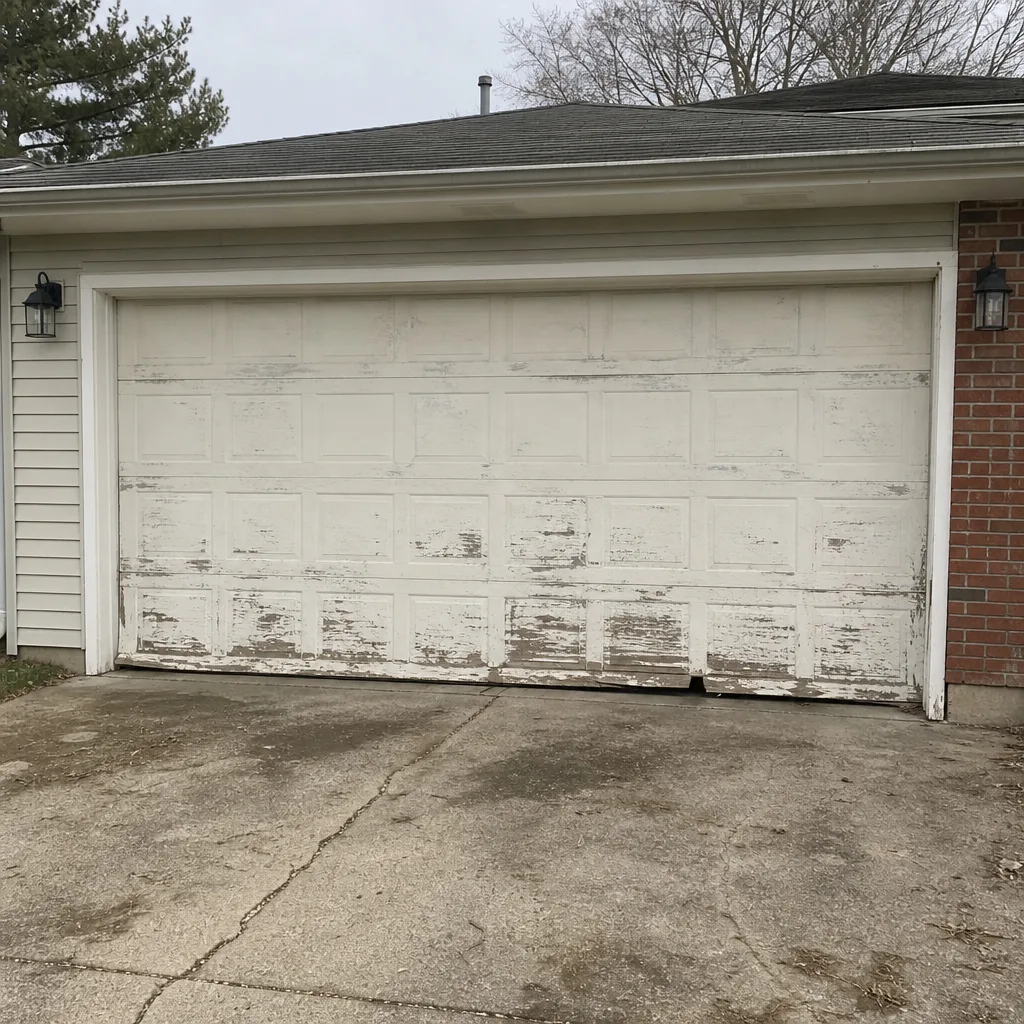 Before
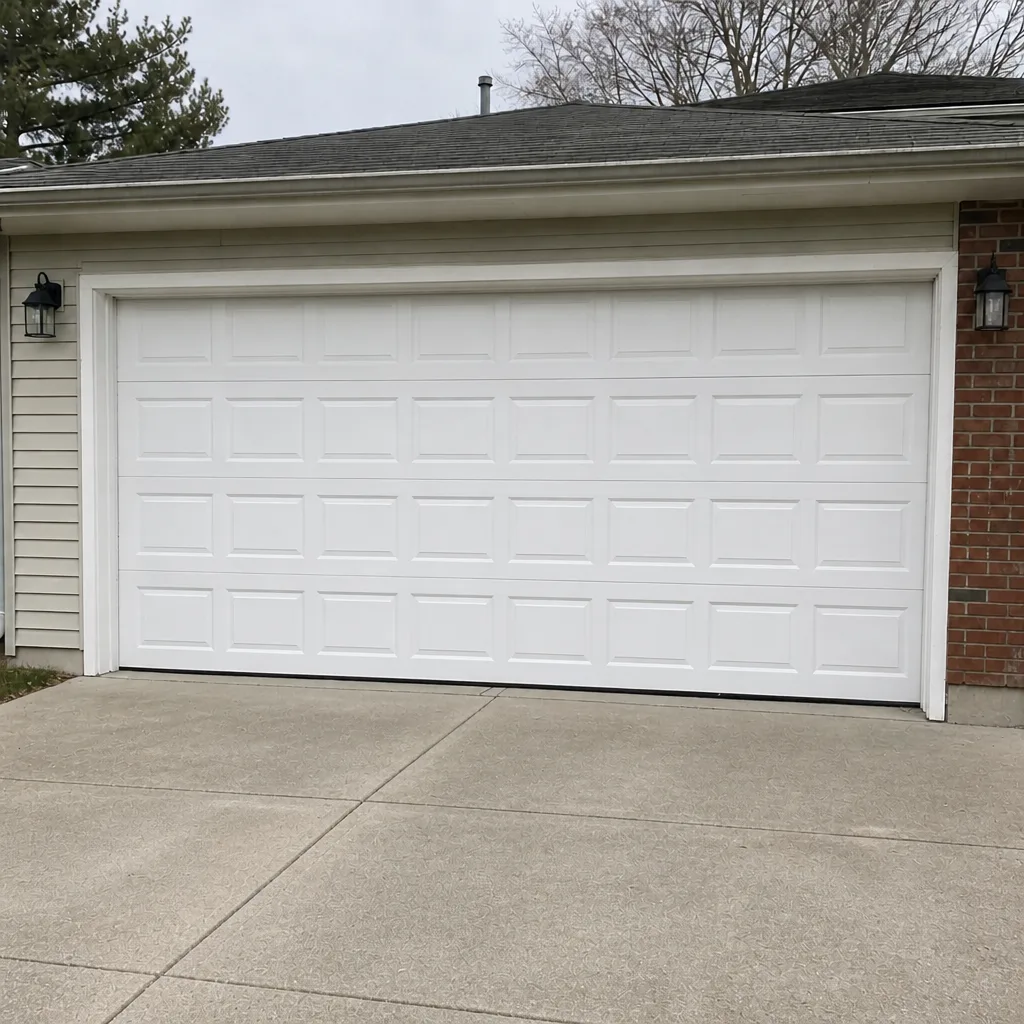 After
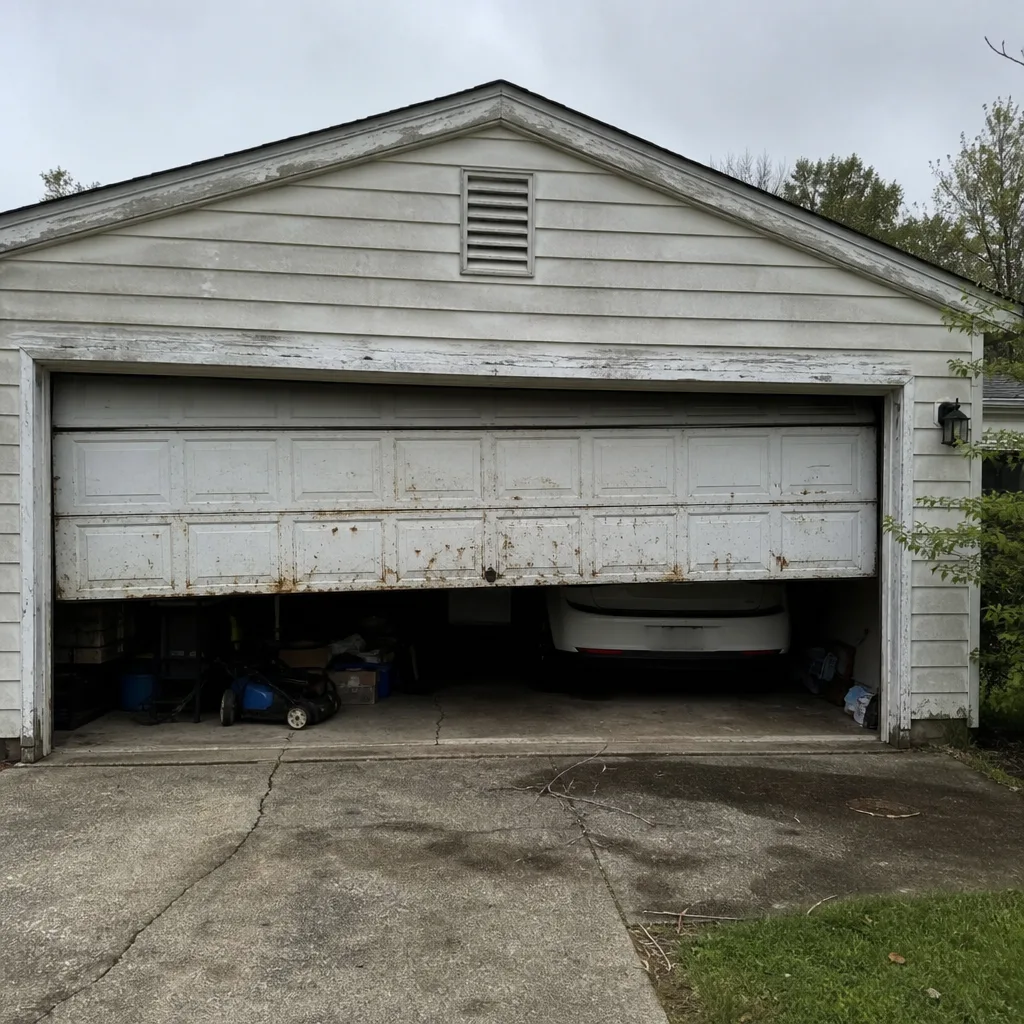 Before
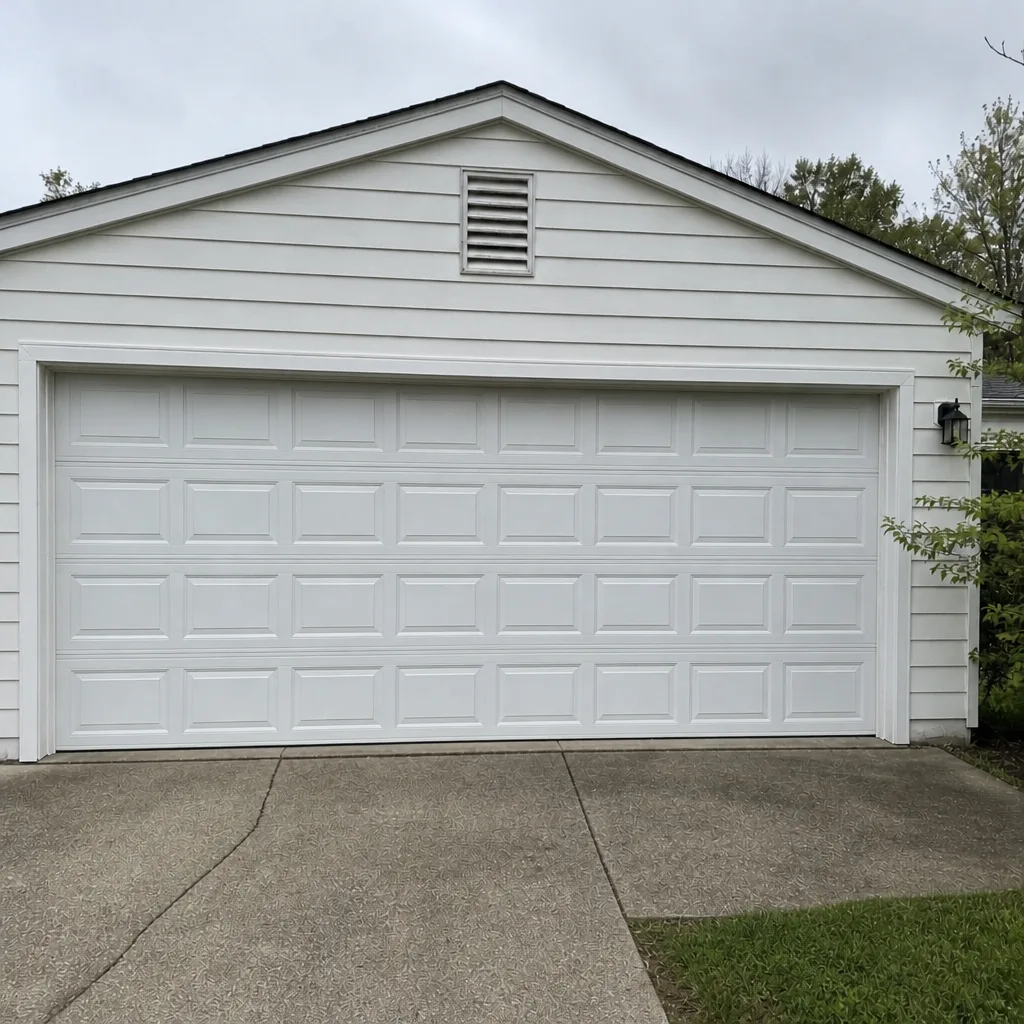 After
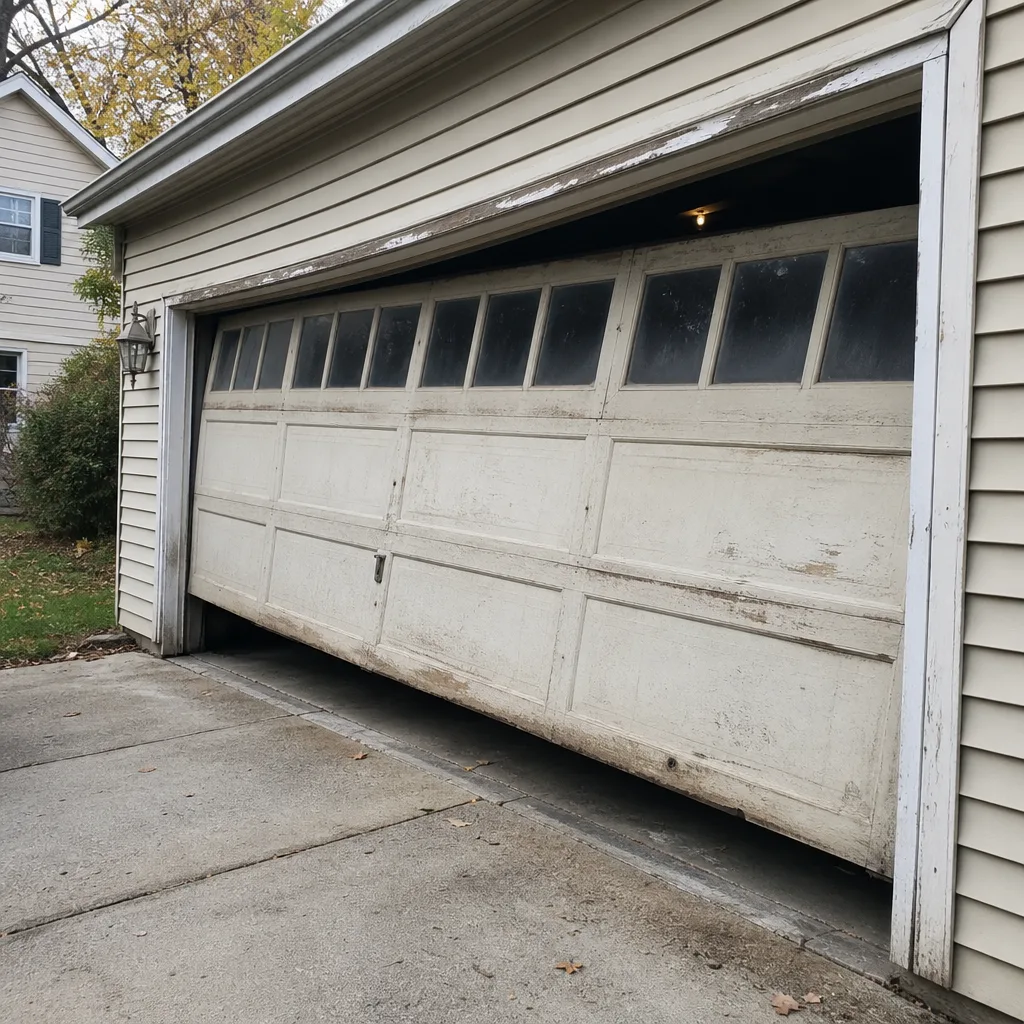 Before
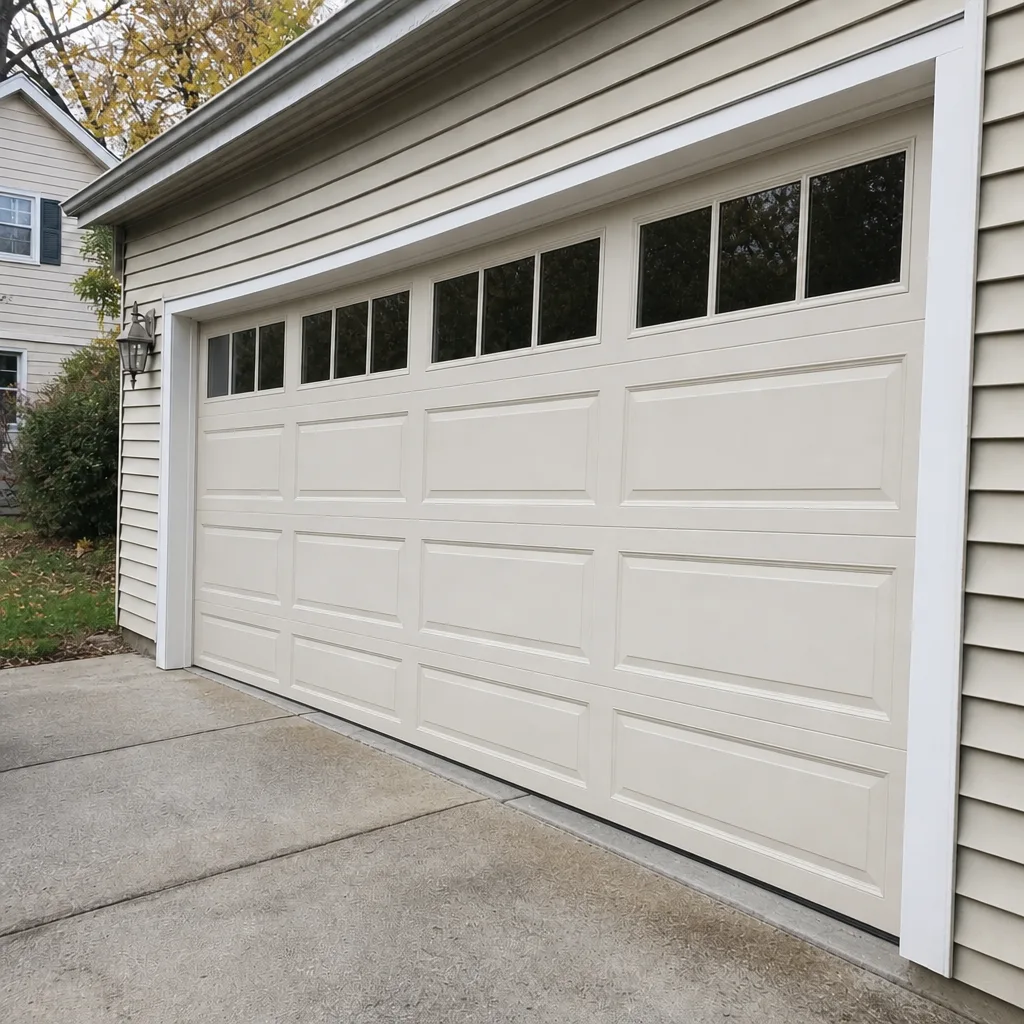 After
When to Call a Professional
Call a professional for anything involving springs, cables, or opener wiring. Those parts carry real injury risk, and the tools and training to handle them safely aren’t the kind you can pick up a manual for. Have a door that stays down, a door that won’t close, a broken spring, a door that moves unevenly, or an opener that has stopped responding after you’ve checked the power and the remote battery. If you’ve pulled the release cord and the door won’t stay up, that’s a sign the springs need attention.
Garage Door Repair Gahanna offers free estimates in Gahanna. Call (855) 658-5316. We answer 24/7. Fast dispatch from 7am to 7pm, Sunday through Friday. When you call, tell us the door weight and spring part number if you have them, and we’ll know exactly what we’re dealing with before the technician arrives.
Frequently Asked Questions
First, keep everyone clear of the door and don’t try to force it. Check whether the photo-eye sensors are blocked or misaligned, pull the release cord only if the door is fully down, and call a trained technician if the door is stuck partway or won’t move safely by hand. A door stuck partway with a broken spring is the riskiest case, and leaving it alone until help arrives is the safest choice.
Yes, if the door is balanced and the springs are intact. Pull the release cord, then lift the door slowly with both hands and keep your body clear of the panels. If the door feels extremely heavy or won’t stay up, stop and call a professional. That weight usually means a spring or cable problem, and a door in that condition can drop suddenly.
Same-day service is realistic for most urgent Gahanna failures, and we answer 24/7 to get you on the schedule. Dispatch runs from 7am to 7pm, Sunday through Friday, and we’re closed Saturday. If a door fails on a Saturday, call and we’ll book you for Sunday.
Spring repair costs vary with the door weight, the spring size, and whether one or a matched pair is replaced. A matched pair is usually replaced together because the second spring usually fails soon after the first. The written estimate sets the final price, and we give it before any work starts. Call (855) 658-5316 for an exact quote; estimates are free.
No. The price we quote is the price you pay. We give a written estimate before any work begins, and that written estimate sets the final number. We don’t add fees after the technician arrives.
Yes. The local professional who comes to your door is state-licensed and insured as their state requires. Our technicians have up to 8 years of experience and are fluent in the major brands, so they arrive ready to diagnose the specific door and opener in front of them.
The Bottom Line
A garage door emergency is manageable if you’ve made a few decisions ahead of time. Know how to use the release cord safely, understand that a door with a broken spring stays down, have a plan for securing a door that won’t close, and keep your door weight and spring part number handy. The rest is a matter of calling the right number and knowing what to say. Repair first, replace only when it makes sense, and don’t let a stuck door turn into a bigger problem. If you’re in Gahanna and your door has failed, call (855) 658-5316 for a free estimate. We answer 24/7. Fast dispatch from 7am to 7pm, Sunday through Friday, closed Saturday.
Written by the team at Garage Door Repair Gahanna.