
Last updated November 22, 2026
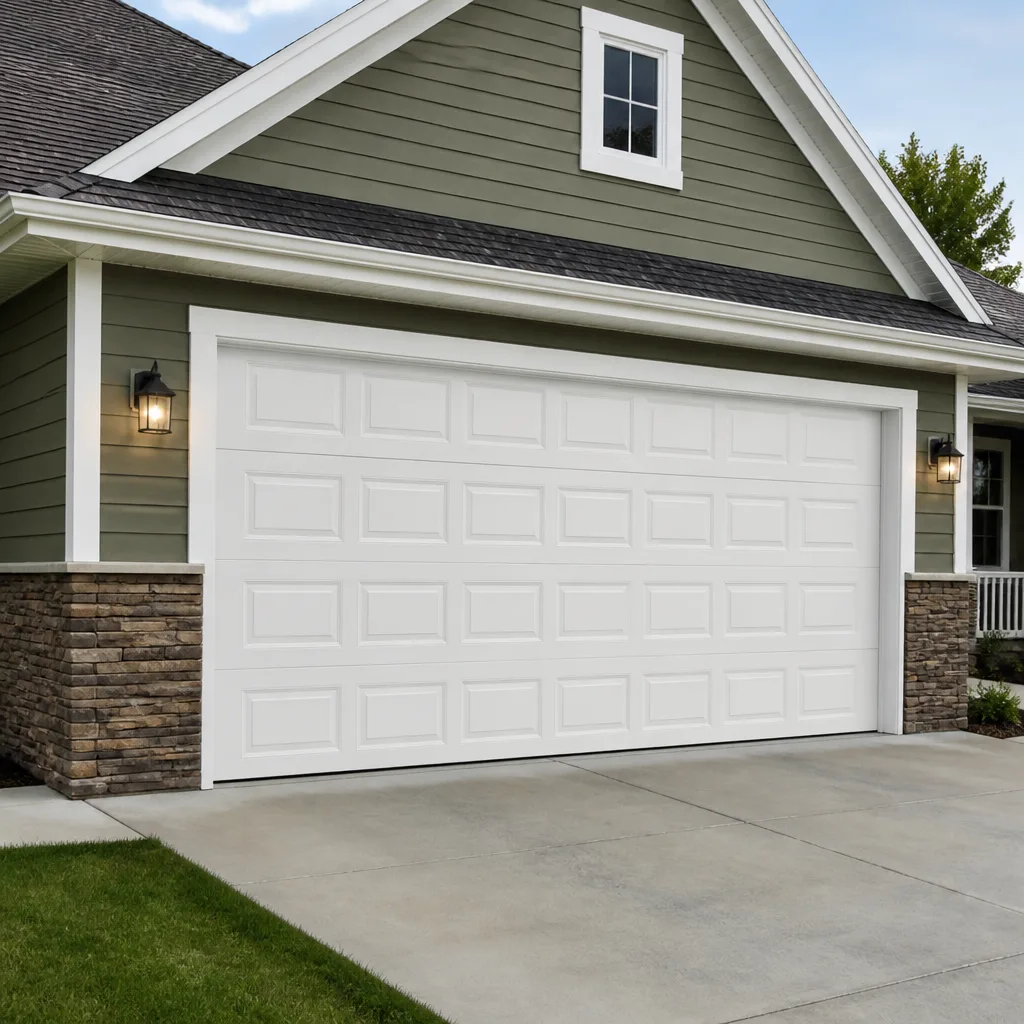 Raised-panel steel
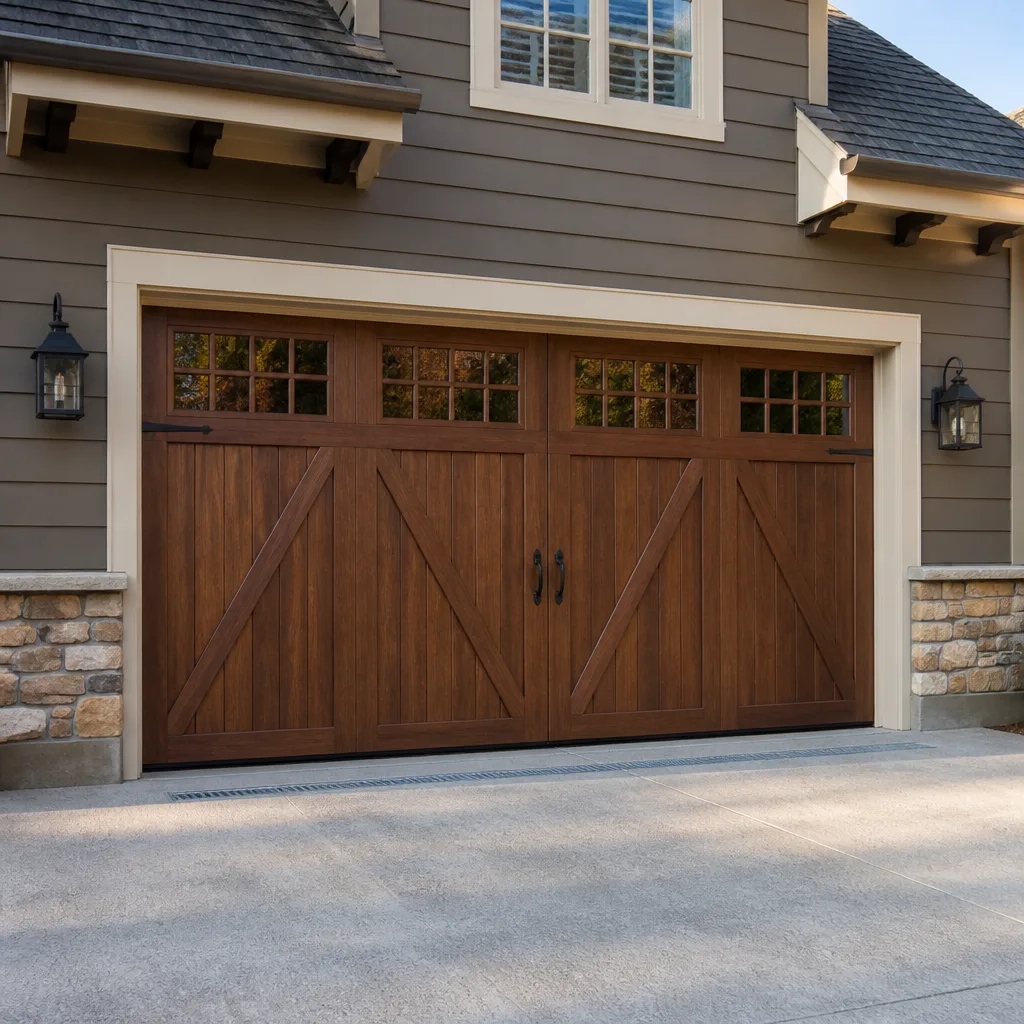 Carriage house
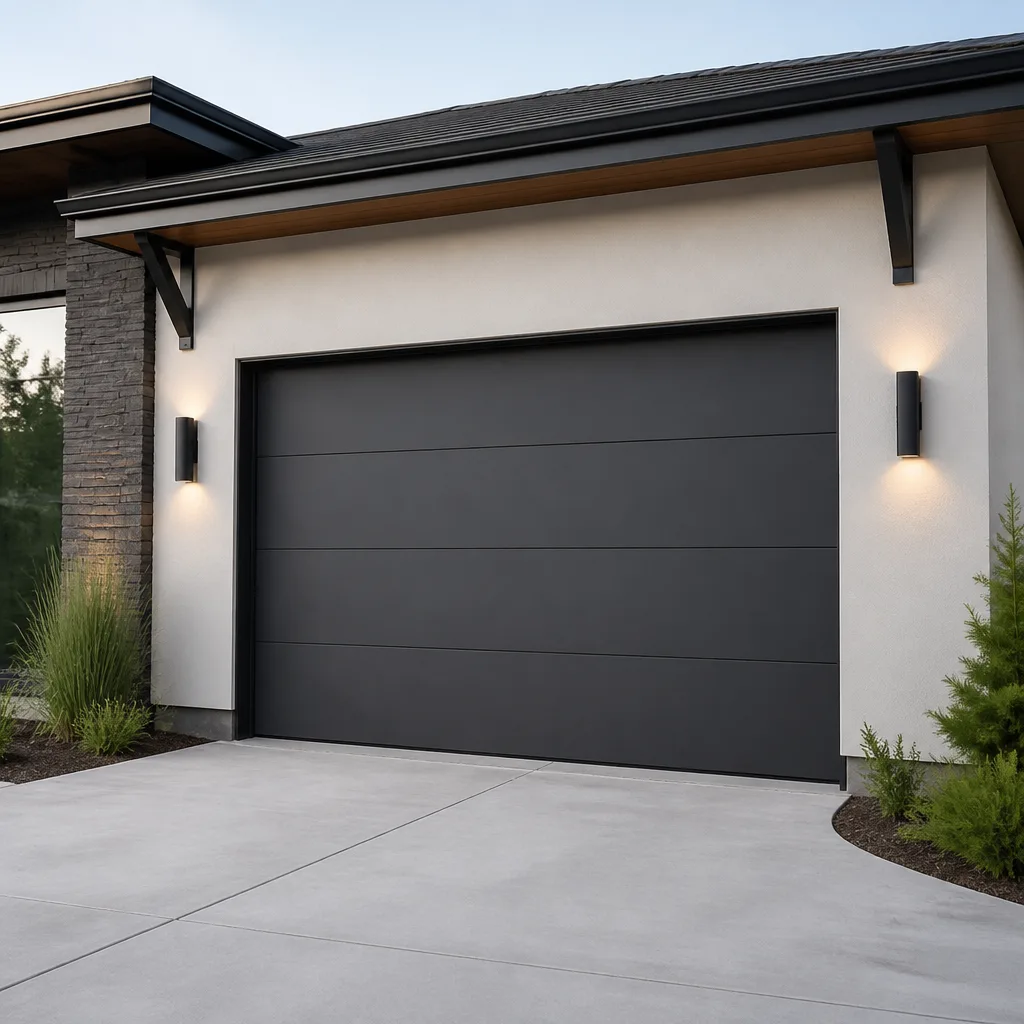 Modern flush
 Full-view glass
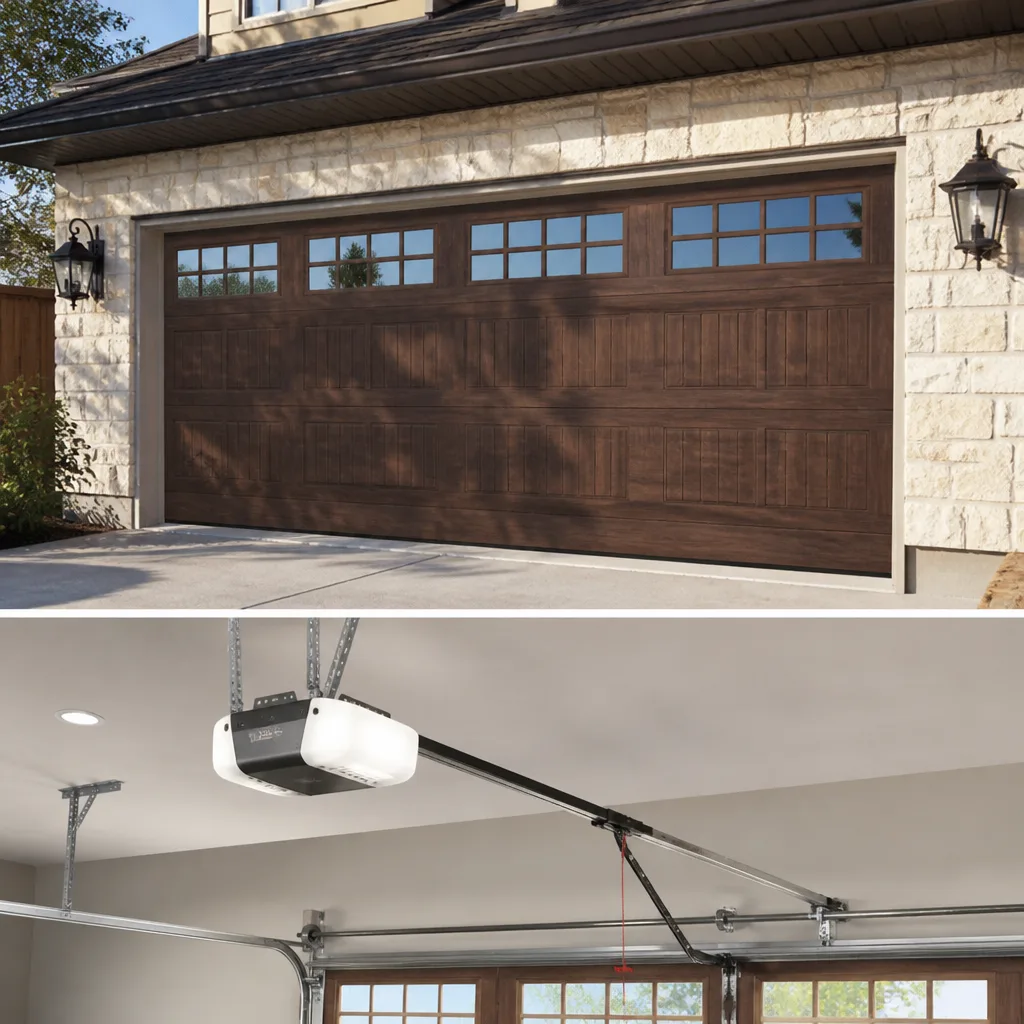 LiftMaster openers
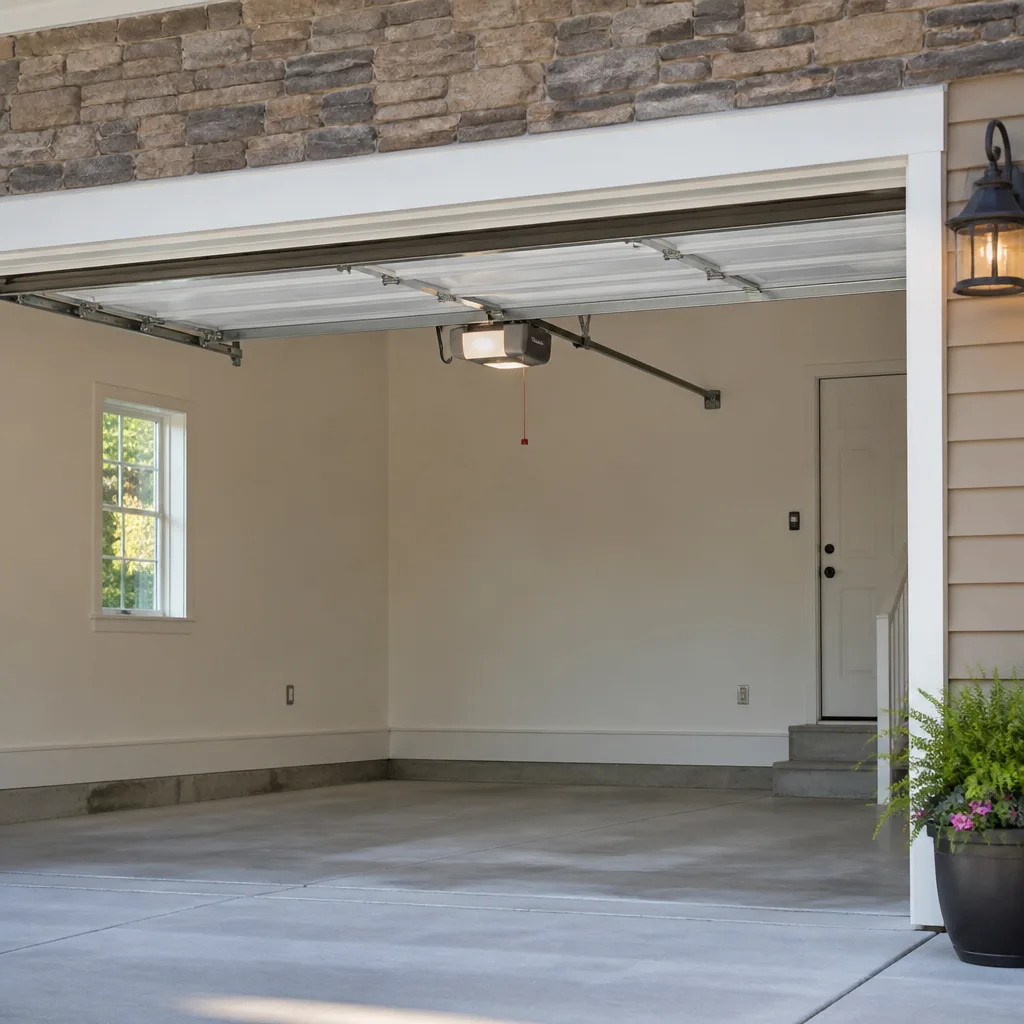 Chamberlain openers
Full 25-point door and opener safety check with every visit - springs, cables, rollers, tracks, and your LiftMaster or Chamberlain opener included
You get a price before we start. It does not change when the pro arrives.
Get your free estimateDIY vs Professional Garage Door: The Gahanna Homeowner’s Decision Guide
Most homeowners assume the DIY-versus-professional question comes down to skill. If you’re handy enough, you do it yourself; if you’re not, you call someone. That framing is wrong, and it’s the reason people get hurt. A torsion spring stores serious energy, and the danger of working on it has nothing to do with whether you can hang a shelf or swap a faucet. It’s about whether you understand what that spring will do when you release it. This guide separates the garage door jobs in Gahanna that any capable homeowner can handle from the ones that should stay in the hands of a trained technician, and it gives you a way to calculate whether a service call is genuinely worth it.
Quick Answer
Some garage door tasks are safe and sensible DIY projects: sensor alignment, remote programming, weather seal replacement, lubrication, and assessing a dented panel. Others should never be attempted by a homeowner, no matter how skilled, because they involve stored mechanical energy or structural loads. Torsion spring work, cable replacement on a live system, and header or structural issues fall in that second group. Everything in between is a judgment call you can make with a few numbers and a clear look at the risk.
Styles & brands we work with
- Raised-panel steel
- Carriage house
- Modern flush
- Full-view glass
- LiftMaster openers
- Chamberlain openers
Table of Contents
- The Two Lists That Settle Most of This
- The Physics of Torsion Spring Tension, Explained Plainly
- Safe DIY Jobs You Can Genuinely Handle
- Tasks You Should Never DIY, Regardless of Skill
- What DIY Opener Installation Actually Involves
- How to Calculate Whether a Service Call Is Worth It
- Gahanna Conditions That Affect the DIY Decision
- Common Mistakes to Avoid
- When to Call a Professional
The Two Lists That Settle Most of This
The fastest way to think about garage door work is to sort it into two buckets before you touch anything. One bucket holds jobs where a mistake means a door that’s out of adjustment and maybe an hour lost. The other holds jobs where a mistake means a hospital visit or a door that falls. Most of the confusion around DIY in Gahanna comes from treating every repair like it belongs in the first bucket.
Here’s the sort, in plain terms:
- Generally fine to DIY: safety sensor alignment, remote and keypad reprogramming, weather seal replacement, lubrication, tightening visible loose hardware, and evaluating whether a panel dent is cosmetic.
- Judgment call: roller replacement, hinge replacement, and swapping a standard wall-mounted opener for another standard opener in the same location.
- Never DIY: torsion spring replacement, cable replacement on a door that’s under tension, and anything involving the header, tracks that have pulled loose, or a door that’s visibly out of square.
The reason the second bucket exists isn’t that technicians are magicians. It’s that those components are under load, and releasing a load you don’t understand is how people get hurt. If you take nothing else from this guide, take the sort. When you know a job is in the third bucket, you stop pricing parts and start garage door repair instead of a trip to the hardware store.
The Physics of Torsion Spring Tension, Explained Plainly
Here’s the part nobody tells you before you grab a winding bar. A torsion spring on a standard residential door stores somewhere in the neighborhood of 100 foot-pounds of torque under tension. That number is worth unpacking, because it’s the reason spring work belongs in the never-DIY bucket.
Torque is a twisting force. Think of a lug nut you tighten by hand versus one you torque to spec with a long wrench. The spring on your overhead door is wound to a calculated tension so it can actually lift a door that weighs well over a hundred pounds. When it’s wound and locked, that energy sits there, doing nothing, until something releases it. The winding bars and the tension are holding a coiled spring in check. If a bar slips out of the winding cone, or if you don’t have the right bars, or if you’re winding in the wrong direction, that stored energy lets go all at once. A spring under tension doesn’t gently unwind. It whips, and it does it faster than you can react.
That’s why the failure mode is so serious. It isn’t a matter of being careless. It’s that the energy is large, the release is sudden, and the tools involved are meant to hold something that wants to spin.
The same logic applies to the cables running from the bottom corner to the drums. Those cables are under tension from the spring tension. That means you can’t safely loosen or remove a cable while the door is under spring load, and on most doors, the door is always under spring load. Technicians work with specific winding techniques and specific tools because they’ve been trained to, and because the sequence matters. When a spring needs to go, the safe move in Gahanna and everywhere else is to have a trained technician handle the garage door spring repair rather than improvise a way to do it yourself. If your opener isn’t running because a spring is broken, the fix starts with the spring, not the motor.
Safe DIY Jobs You Can Genuinely Handle
There’s a real list of garage door tasks that are well within reach for a capable homeowner, and doing them yourself saves a call. Here’s what’s reasonable:
- Safety sensor alignment. If the door reverses or won’t close, look at the two small sensors near the floor on either side. If the indicator lights aren’t solid, they’re out of line or something’s blocking them. Loosening the bracket, squaring the sensor to its partner, and tightening it back on a level surface with a clear line of sight is a common fix.
- Remote and keypad reprogramming. A remote that’s stopped working is usually a program issue, not a failure. Clearing the opener’s memory and re-pairing the remote or keypad is straightforward on most brands, and the manual for your LiftMaster, Chamberlain, or Genie unit walks you through the button sequence.
- Weather seal replacement. The rubber or vinyl strip along the bottom of the door takes a beating and is easy to swap. Pull it out of its channel and slide in a new length of the right profile. This is one of the most useful things you can do before a cold stretch in Gahanna.
- Lubrication. A few drops of the right lubricant on the hinges, rollers, and tracks makes the whole system quieter and easier on the opener. Skip the tracks themselves on most doors unless the manufacturer says otherwise.
- Evaluating a dented panel. A cosmetic dent on a steel door is usually fine to leave. If the door still seals at the bottom and the panel isn’t creased to the point of catching on the track, you’re looking at appearance, not function.
Notice what these have in common: none of them involve releasing stored energy or supporting the weight of the door. That’s the dividing line.
Tasks You Should Never DIY, Regardless of Skill
Expertise doesn’t make spring or cable work safe in a home garage. It reduces the risk, but the job still depends on trained technique and the right tools. This list holds for every homeowner, whether you’ve built a deck or rebuilt an engine:
- Torsion spring replacement. Winding a new spring requires calculated turns, the right bars, and knowing exactly where the tension sits. There’s no safe shortcut.
- Cable replacement on a live system. The cables move with the spring, so you can’t remove one while the door is loaded. This is a technician job on any door that carries spring tension.
- Structural header issues. If the wood above the door is pulling loose, cracked, or sagging, that’s framing, not door hardware. It needs someone qualified to assess the structure before the door is put back into service.
- Tracks that have pulled out of the wall or ceiling. A loose track is a sign the door is out of balance or the fasteners have failed. Re-hanging it without figuring out why usually just repeats the failure.
- Any door that’s hanging visibly off square. Get a trained eye on it before you cycle the opener again.
If your door is stuck or won’t close and you can’t immediately tell why, that’s the moment to call. A door that won’t close is a security and schedule problem at the same time. This is where we treat urgent failures as urgent: emergency garage door service exists for the situations that can’t wait for a scheduled visit. Call (855) 658-5316. We answer 24/7. Fast dispatch from 7am to 7pm, Sunday through Friday.
What DIY Opener Installation Actually Involves
Opener installation is the most common “I’ll just do this one myself” task, and it’s worth being honest about what’s involved. Replacing an opener with the same type, in the same position, on a well-balanced door, is a two-person job with a genuine learning curve. Here’s the realistic sequence:
- Confirm the door is balanced first. Disconnect the opener and lift the door halfway. If it doesn’t stay put, the door needs service before the opener gets touched. An opener that has to fight an unbalanced door will keep fighting it.
- Remove the old unit. That means disconnecting the door from the rail, unbolting the brackets, and handling a motor that’s heavier and more awkward than it looks from the ground, often while working on a ladder.
- Assemble and hang the new rail and motor. Most openers need the rail assembled to length, the motor hung from the ceiling on a support bracket, and the header bracket located on the correct center line. If the ceiling bracket isn’t in a stud or a proper support, the motor will walk its fasteners loose over time.
- Set the travel and force limits. The opener needs to open and close to the right points and stop the right way. Get these wrong and the safety reverse function won’t work as intended.
- Mount and align the safety sensors. The sensors need a clear line of sight, and they need to be aligned so they don’t false-trip.
- Connect the wall control and any smart features. LiftMaster, Chamberlain, and Genie units each have their own programming steps for linked remotes, wall controls, and smartphone access.
- Test the safety reverse. The door has to reverse when it meets an obstruction and when the sensors are broken. This isn’t optional, and it’s the step most DIY installs get wrong.
Most homeowners hit the wall around step three or four, usually when a ceiling bracket lands off-stud or the travel limits won’t hold. That’s not a failure of intelligence. It’s the point where the job needs tools and knowledge most homeowners don’t have on hand. If you get there, stop. A mis-set opener is a safety issue. Our technicians work on LiftMaster, Chamberlain, and Genie systems regularly, and the same call handles the garage door opener repair on a unit that’s not acting right. If you want to know the realistic cost of a professional install before you decide, call (855) 658-5316 for a free estimate.
How to Calculate Whether a Service Call Is Worth It
This is the part nobody breaks down for you, so here’s a framework. A service call is worth it when the total cost of the professional job is less than the sum of your DIY costs and the consequence of getting it wrong. That breaks into four figures to weigh:
- Parts cost. Springs, cables, rollers, and openers aren’t free. If you need the repair to be done right anyway, the parts are the same whether you buy them or a technician supplies them. Your DIY savings is really just the labor.
- Tool cost. Spring work needs winding bars and the right knowledge of turns. Opener installs need a drill, sockets, a ladder, and sometimes a helper. If you don’t own the tools and won’t use them again, add the purchase price to your DIY number.
- Time cost. Count the actual hours, not the optimistic ones. A first-time opener install is often a full day with a second set of hands. Only you can say what that day is worth to you.
- Consequence cost. This is the one people skip. If the job is spring or cable work, the consequence isn’t “the door doesn’t work and I try again.” It’s injury. Multiply that risk by any number and the calculation usually tips toward a professional. For small jobs like sensor alignment or a weather seal, the consequence is low, which is exactly why they’re fine to DIY.
Run the numbers on your specific job before you start. And remember that when a technician arrives, the price is quoted and agreed before any work starts. The written estimate sets the price for the job. That removes the guesswork from the “consequence” column entirely. Call (855) 658-5316 for a free estimate.
Gahanna Conditions That Affect the DIY Decision
Garage doors in Gahanna run into a handful of local conditions that shape how often things need attention and how quickly a small issue turns into a real repair.
Cold snaps and door seals. Central Ohio winters get cold enough that the bottom weather seal takes real stress. A seal that’s cracked lets cold air and drafts in, and it also lets water get under it, which leads to the frame swelling and the door catching. Replacing the seal is a legitimate DIY job, and doing it before a hard freeze saves a lot of frustration.
Seasonal temperature swings and mover performance. Doors and openers don’t like big temperature swings. In a cold stretch, grease gets stiff, springs behave differently, and an opener that was set in milder weather can start to struggle. If your door was fine all summer and slow to open on a cold morning, that’s often an adjustment issue rather than a broken part. If it’s a LiftMaster or Genie, a technician can check the travel and force settings quickly.
Gahanna neighborhoods and an older housing mix. Gahanna has a mix of older homes and newer builds, and that shows up in garage door hardware. Homes in older parts of the city often have original torsion systems that have been repaired rather than replaced, and newer subdivisions around the city have standard two-car doors with modern openers. The age of the system matters: an older door is more likely to have a spring that’s close to its limit, and that’s a reason to be especially cautious about DIY spring work.
One small thing about access. A garage door person needs room to work around the door, and a cluttered garage makes a garage door call more complicated than it needs to be. Clearing a path to the door ahead of a scheduled visit helps the technician get to the problem faster.
Understanding the local climate helps you know which jobs are worth tackling and which should go to a professional. When in doubt, use the default sort from earlier in this guide.
Common Mistakes to Avoid
- Assuming skill makes spring work safe. Being handy doesn’t change the stored energy in a torsion spring. If you’re not sure, don’t guess.
- Letting a door sit with a broken spring. Running the opener on a door with a broken spring puts load on the opener and the door, and it can turn a spring job into a much bigger one. Get it serviced before you keep cycling it.
- Skipping the door-balance check before installing an opener. If the door doesn’t stay put when you lift it halfway, fix that first. A new opener over an unbalanced door will fail early.
- Setting force and travel limits by feel instead of testing them. The safety reverse function only matters if it works. Test it, don’t eyeball it.
- Buying a universal remote or keypad without checking the opener. Brand and model matter more than the package promises. Raynor, LiftMaster, Chamberlain, and Genie systems each pair differently, and the manuals and compatibility lists are the place to check before you buy.
- Ignoring a small leak or draft. A worn weather seal doesn’t fix itself, and in a Gahanna winter it gets worse. Fix it while it’s cheap.
- Assuming the garage door can be “adjusted” out of a structural problem. A loose track or a sagging header isn’t a tuning issue. It needs to be looked at before the door gets used again.
When to Call a Professional
Call a professional when the job involves torsion springs, cables on a live system, a structural header, a track that’s pulled loose, or a door that’s visibly out of square. Call when your opener is struggling and the door isn’t balanced, when you’ve tried the simple fixes and the door still won’t close, or when the job is simply past the point where DIY makes sense on time and risk. If your door fails and you can’t safely leave it, that’s an urgent call. The same applies to a door that won’t open or won’t close and is leaving the house exposed.
Garage Door Repair Gahanna offers free estimates in Gahanna. The estimate is quoted and agreed before any work begins, so you know the price before a technician picks up a tool. Call (855) 658-5316. We answer 24/7. Fast dispatch from 7am to 7pm, Sunday through Friday.
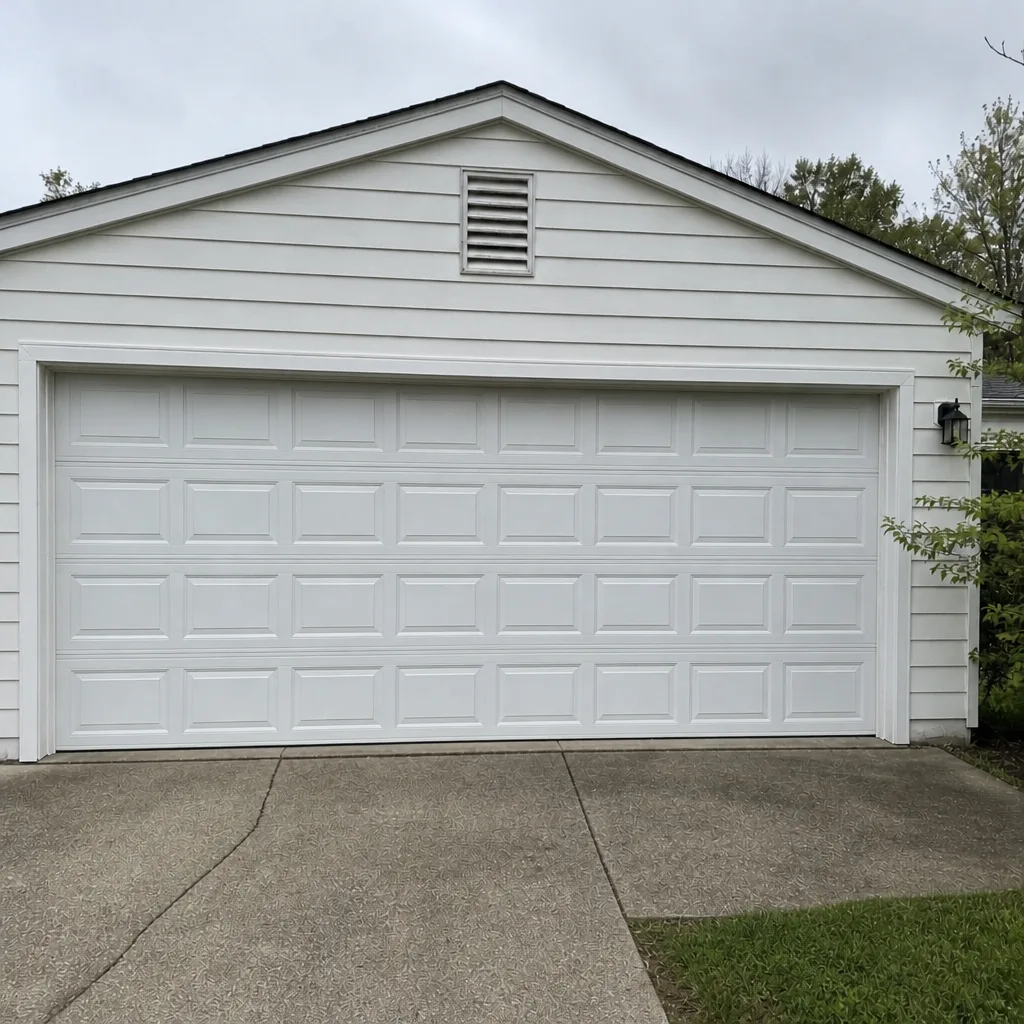
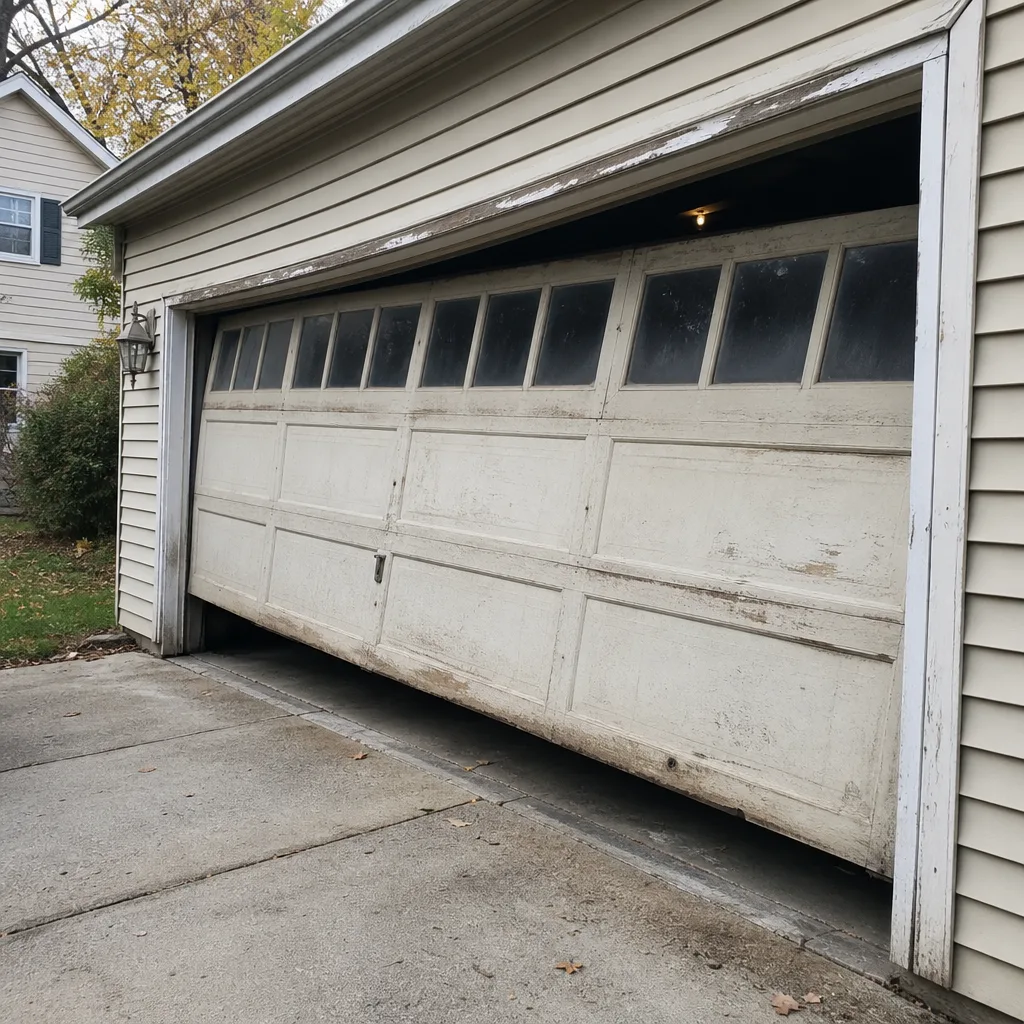
See the difference
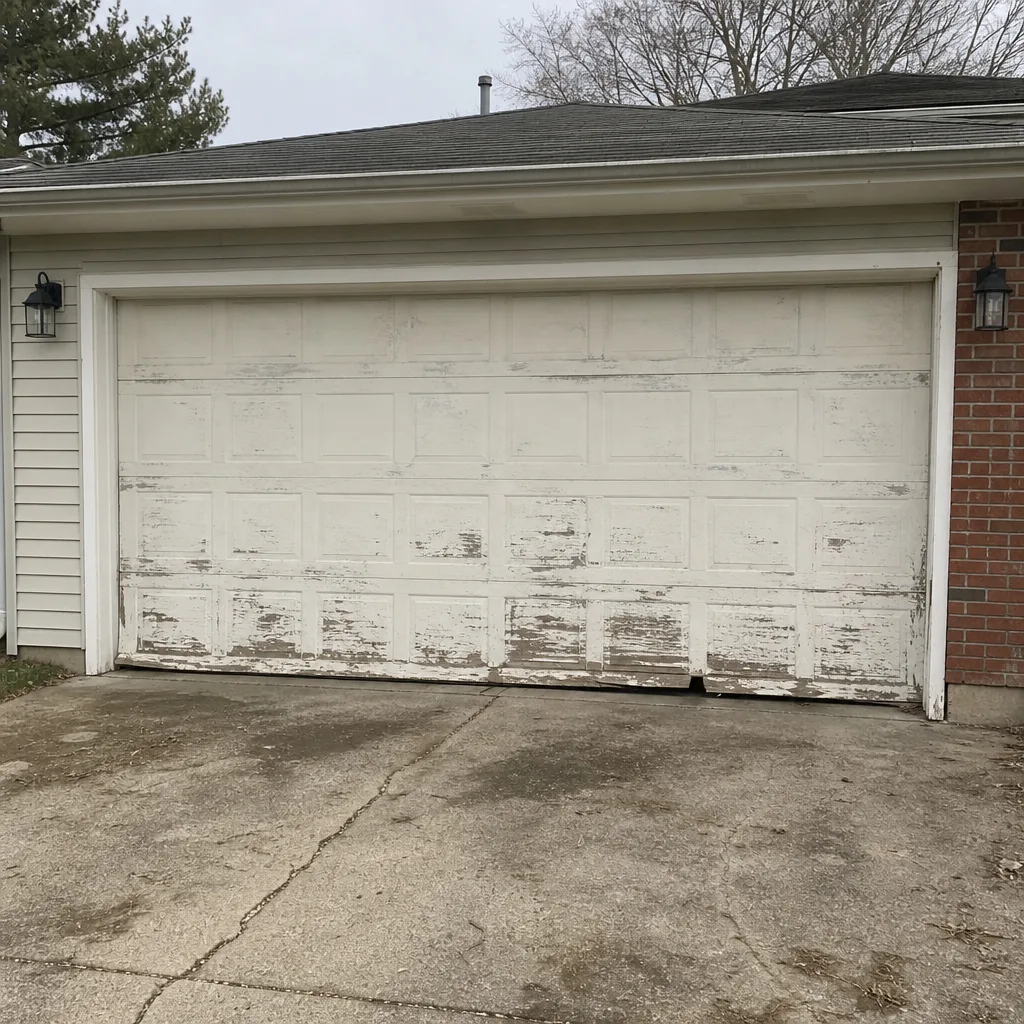 Before
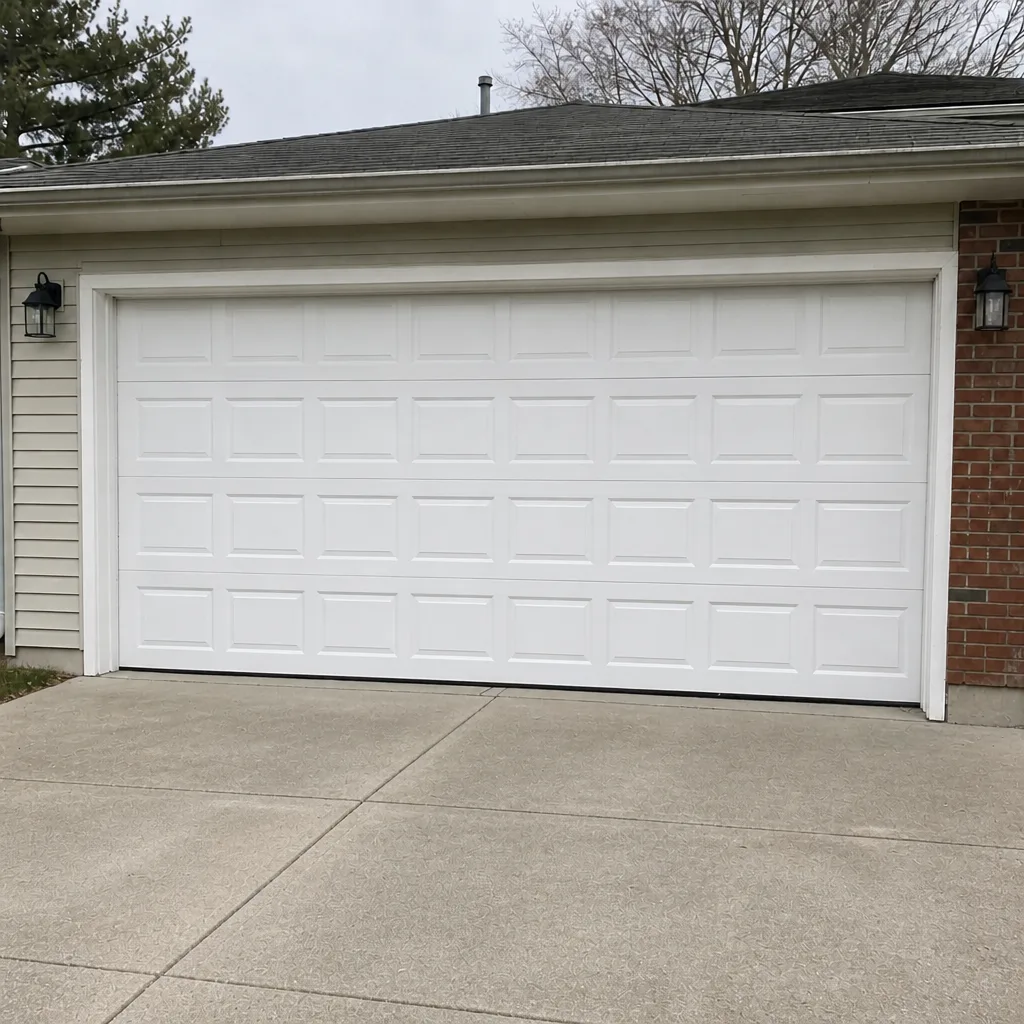 After
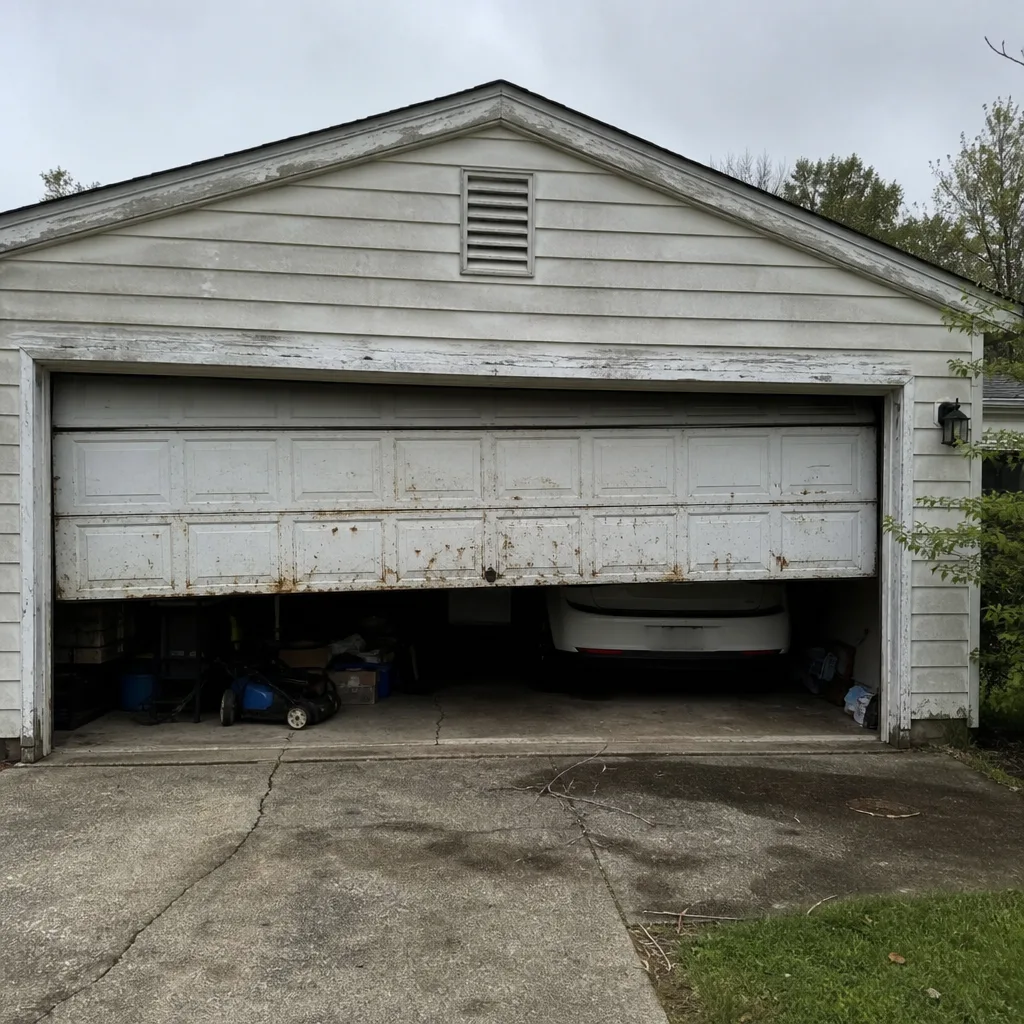 Before
 After
 Before
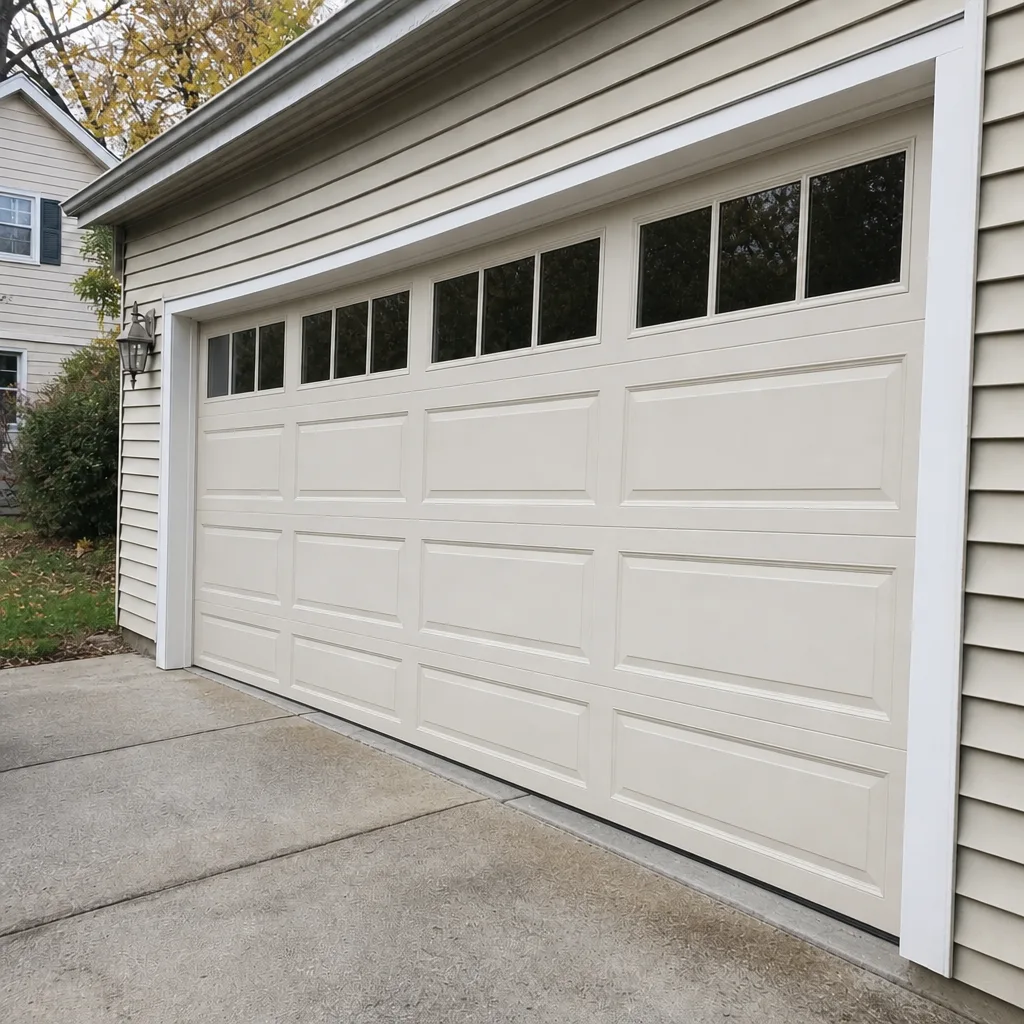 After
Frequently Asked Questions
No. Garage door spring replacement is a job for a trained technician, not a homeowner, regardless of skill. The spring stores serious torque, and the tools and technique needed to wind and release it safely aren’t something you can learn from a video without real risk. That’s why spring work belongs in the never-DIY bucket.
For small jobs like sensor alignment, remote programming, or a weather seal, DIY is usually cheaper because the parts are inexpensive and the risk is low. For anything involving springs, cables, or a new opener, the professional job is worth the cost once you add up parts, tools, time, and the consequence of getting it wrong. Call (855) 658-5316 for a free estimate on the professional side of that math.
You can, but be realistic about it. A same-position replacement of a standard opener is a two-person job with a real learning curve, and the point where most homeowners stop is hanging the motor correctly and setting the travel and force limits. If you get stuck there, stop and call. A mis-set opener is a safety issue, and it’s not worth the risk.
Safety sensor alignment, remote and keypad reprogramming, weather seal replacement, lubrication, and evaluating a cosmetic panel dent are reasonable DIY jobs. None of them involve releasing stored tension or supporting the weight of the door. If the fix involves loosening anything under load, stop and call a professional.
Don’t force it, and don’t keep cycling the opener. A door stuck in the open position is a security problem and often a sign of a spring or cable issue. Call (855) 658-5316. We answer 24/7. A call outside dispatch hours is booked into the next opening, Sunday through Friday, 7am to 7pm. Fast dispatch from 7am to 7pm for door failures that can’t wait.
It depends on the job, and there’s no single number that fits. A sensor adjustment, a seal, and a spring replacement are very different in scope and parts. The one thing that stays consistent is how we work: you get a written estimate, and the price is quoted and agreed before any work starts. Call (855) 658-5316 for a free estimate.
The Bottom Line
The DIY-versus-professional question comes down to which jobs carry stored energy and which don’t. Sensor alignment, weather seals, lubrication, remote programming, and a cosmetic dent check are all sensible to handle yourself, and doing them saves a call. Spring work, cable work on a live system, structural header problems, and anything involving a door that’s visibly off square should go to a trained technician. That single divide settles most of the decisions a Gahanna homeowner will face. When you’re not sure which side a job falls on, the safe move is a free estimate. Our technicians have up to 8 years of experience and work with the brands you already have, including LiftMaster, Chamberlain, Genie, Raynor, and more. You can start with a full look at garage door repair Gahanna and go from there.
Call (855) 658-5316 for a free estimate. We answer 24/7. Fast dispatch from 7am to 7pm, Sunday through Friday. The price is quoted and agreed before any work starts, so you know what you’re paying for the fix before anyone touches the door.
Written by the team at Garage Door Repair Gahanna.