
Last updated November 22, 2026
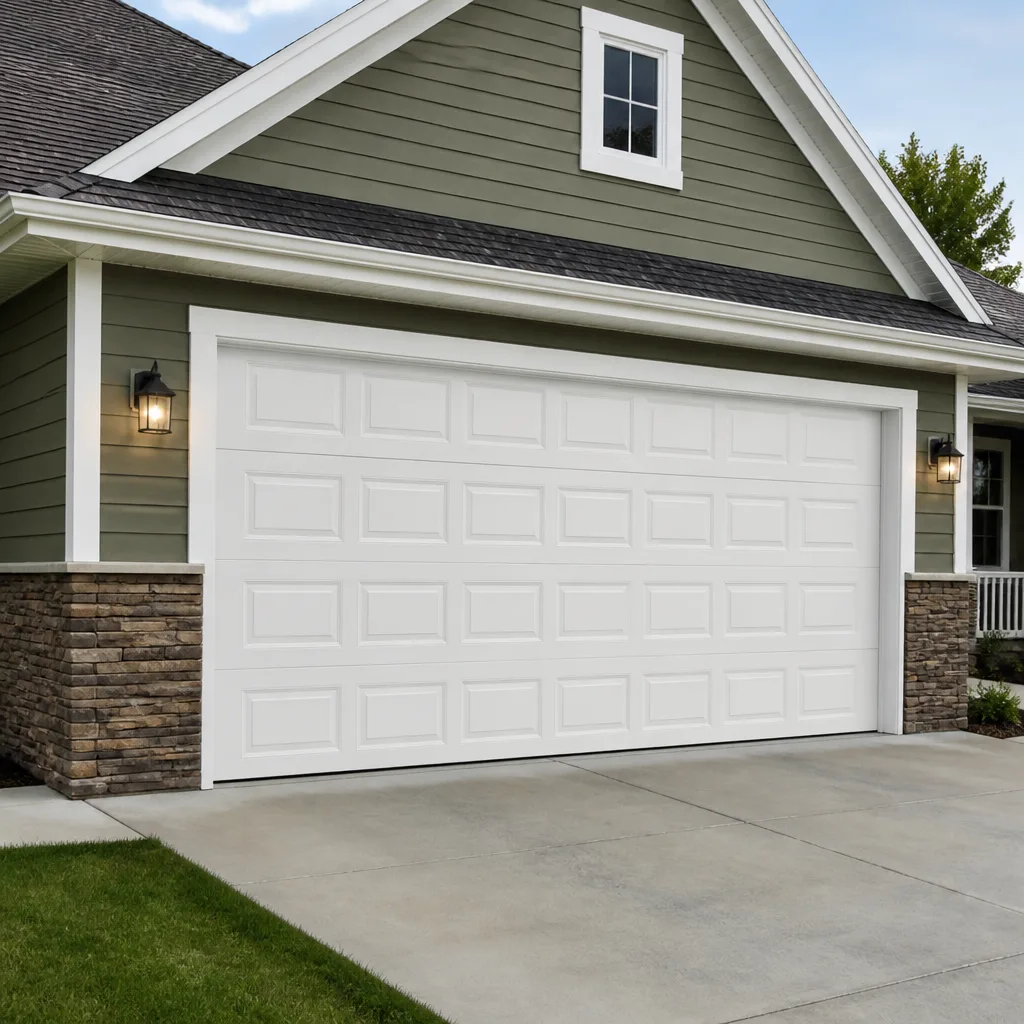 Raised-panel steel
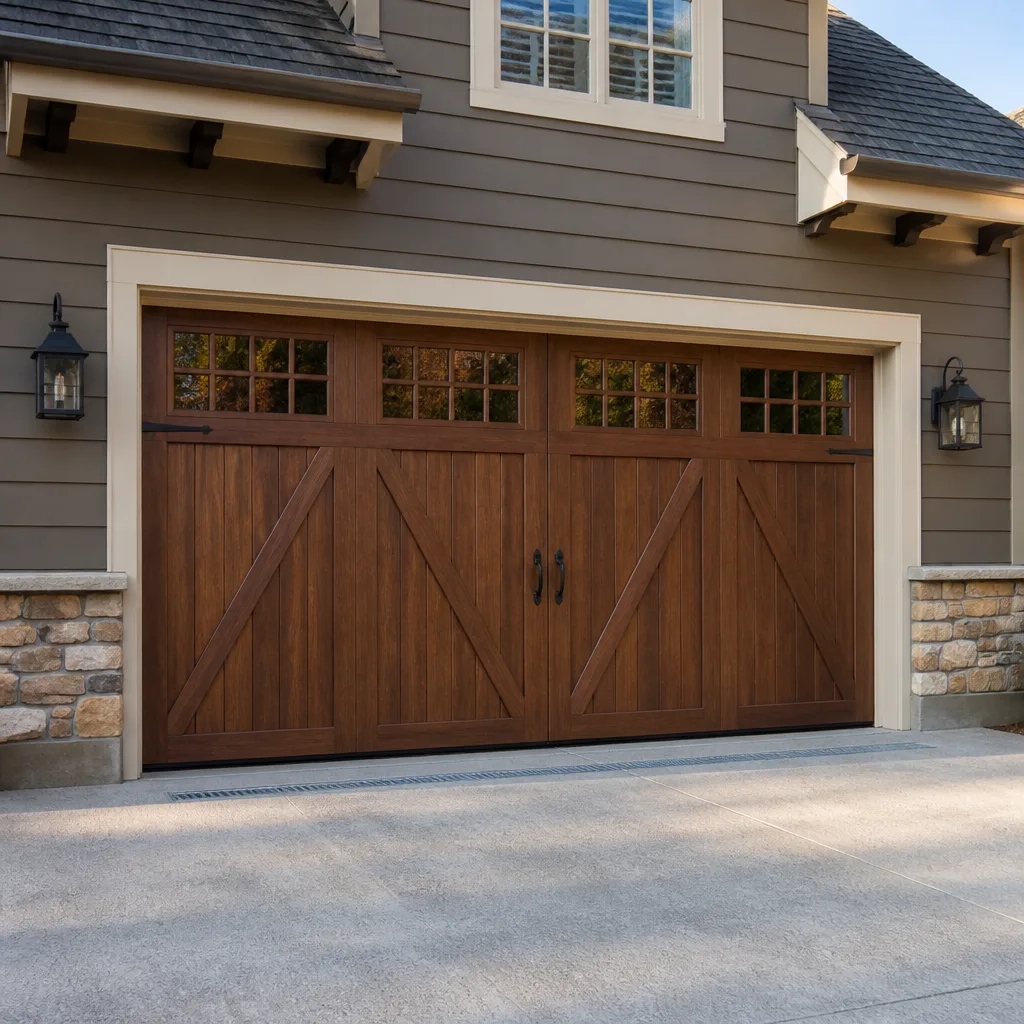 Carriage house
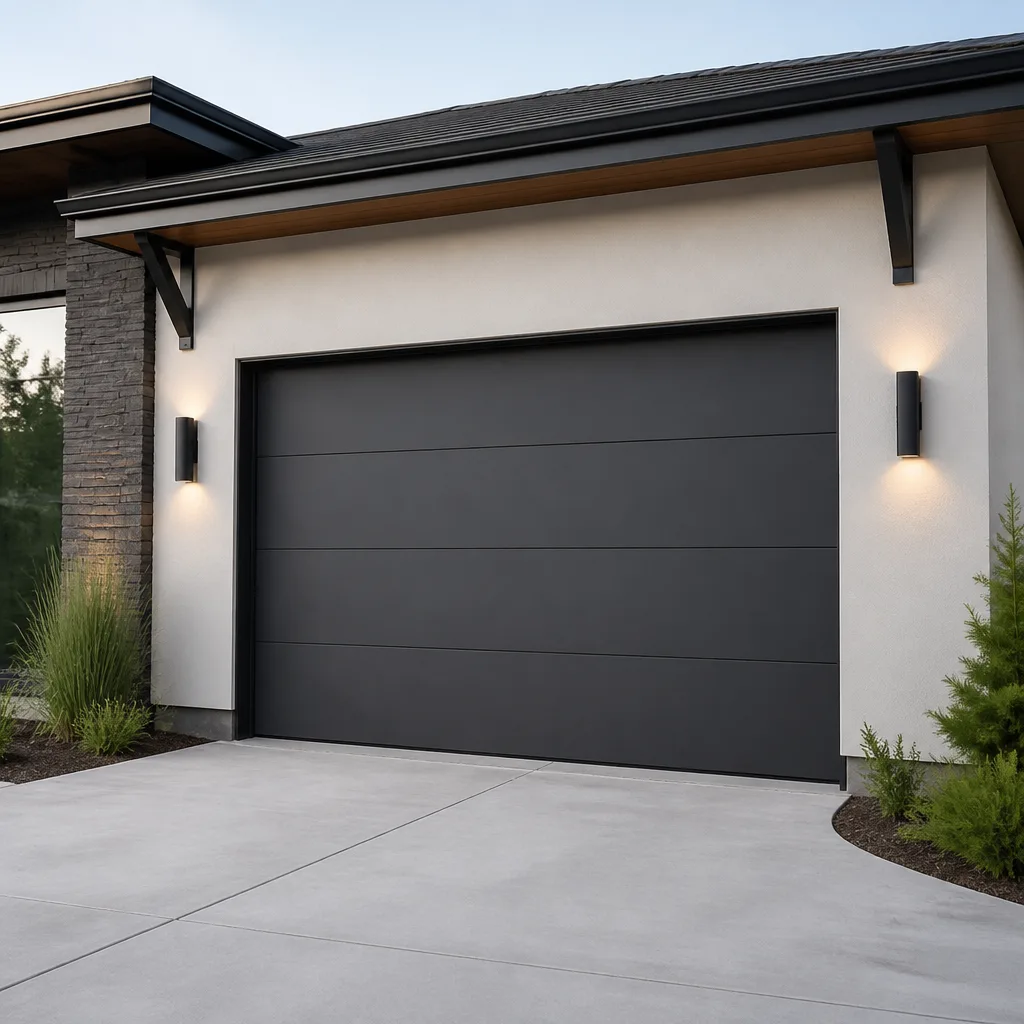 Modern flush
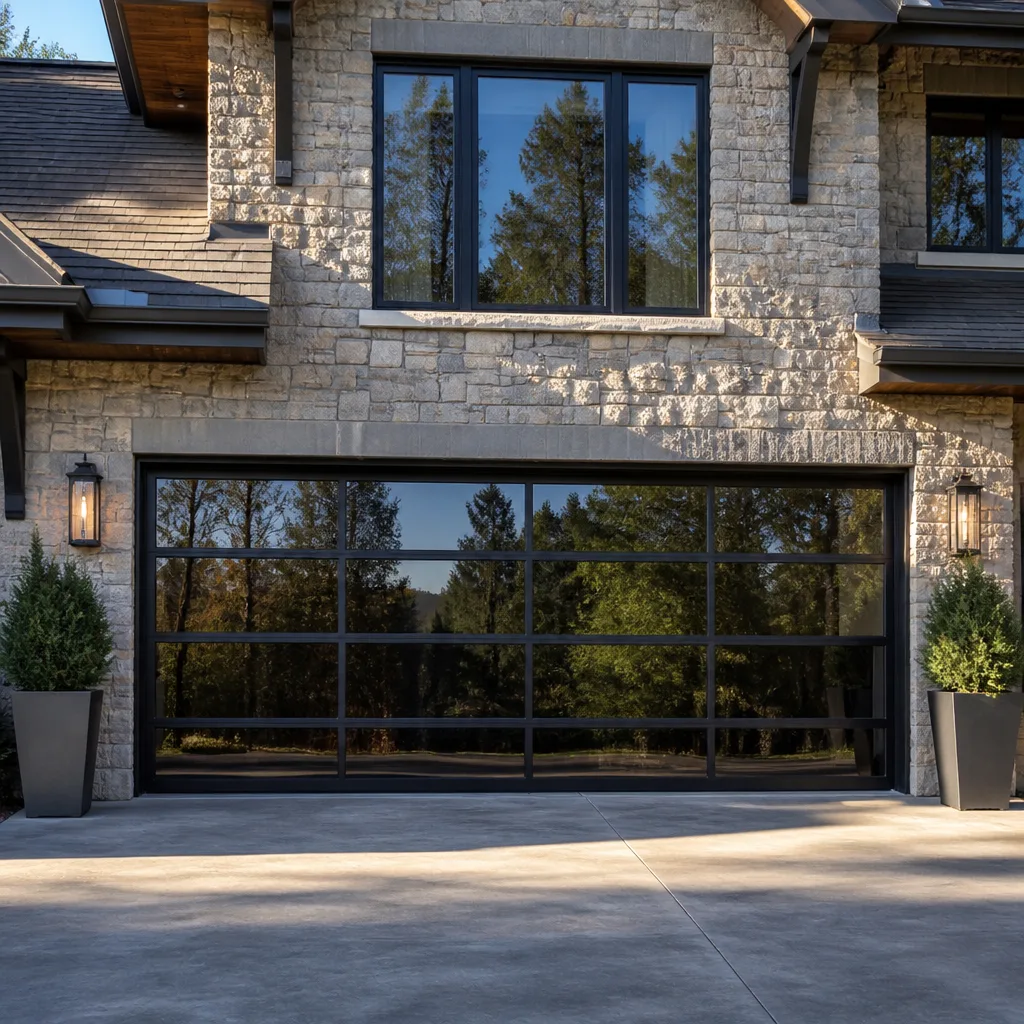 Full-view glass
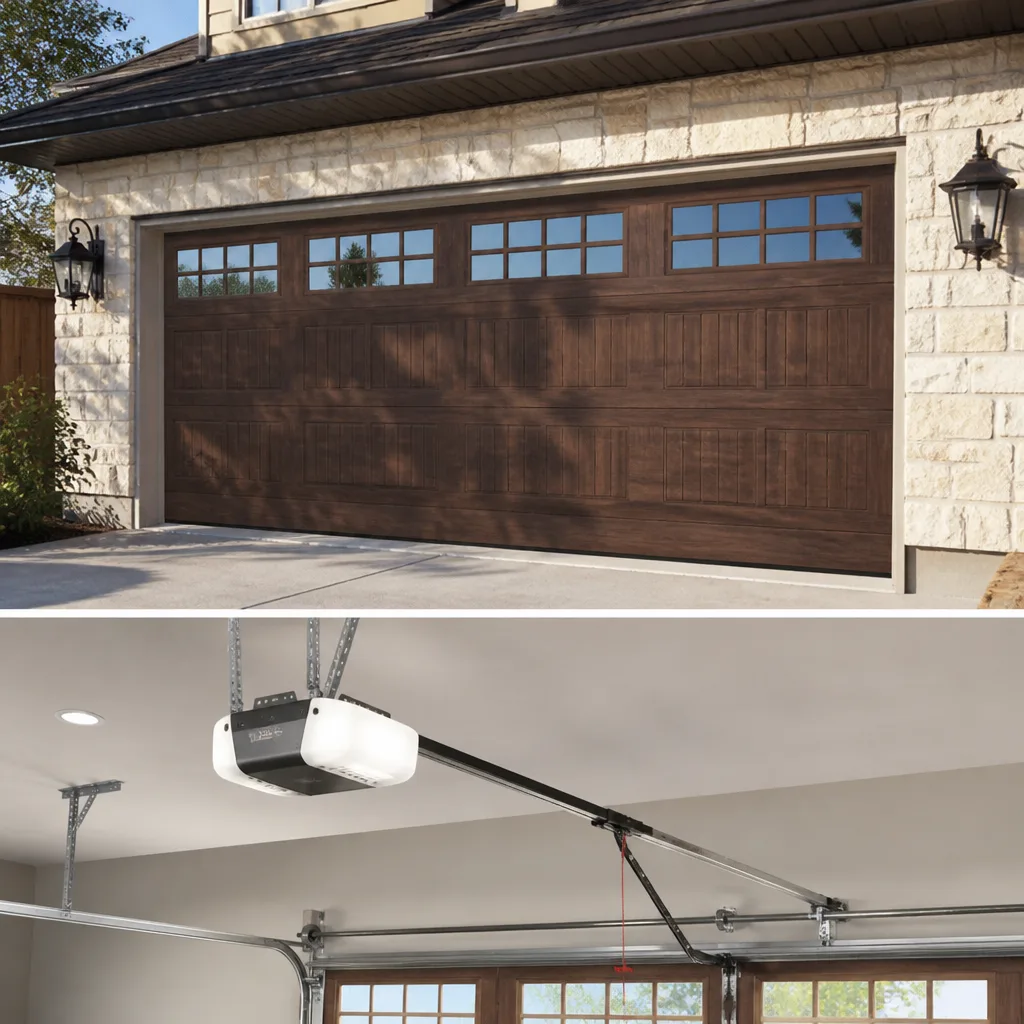 LiftMaster openers
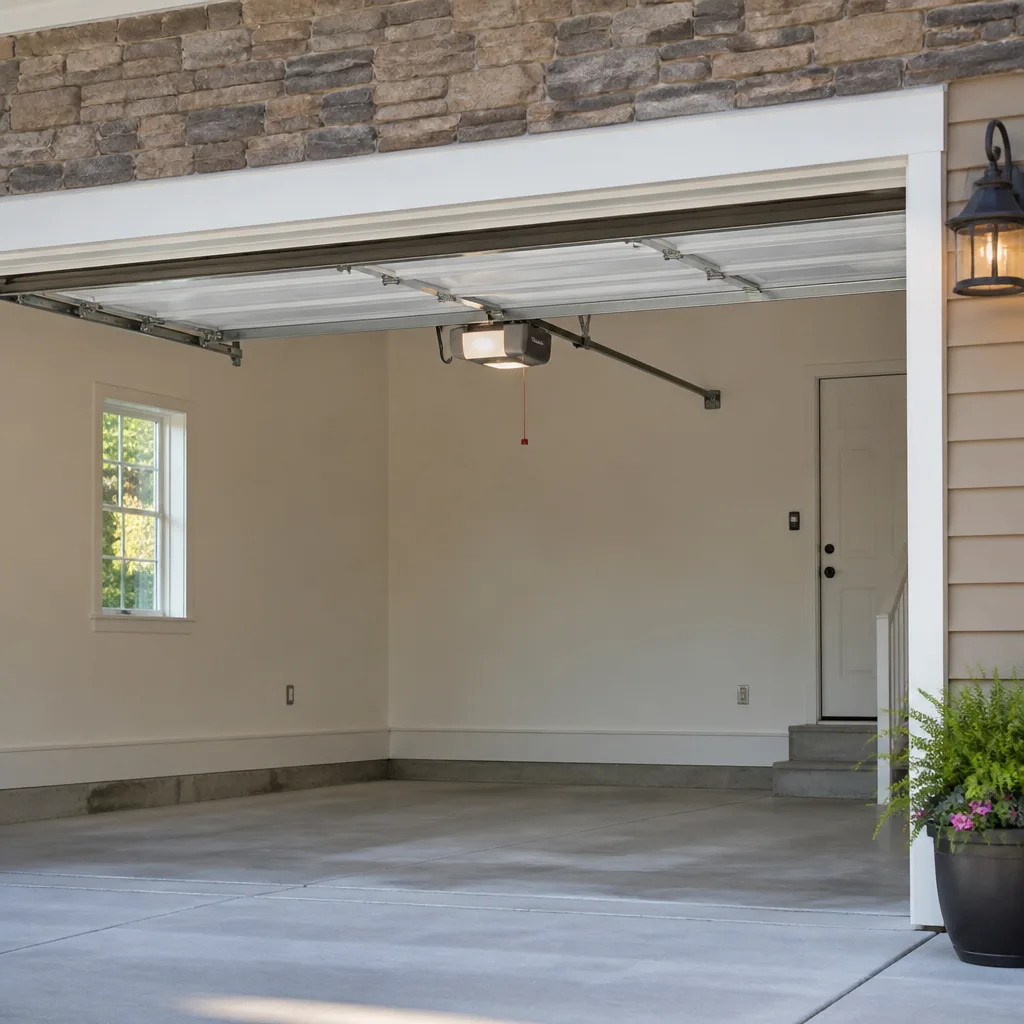 Chamberlain openers
Full 25-point door and opener safety check with every visit - springs, cables, rollers, tracks, and your LiftMaster or Chamberlain opener included
You get a price before we start. It does not change when the pro arrives.
Get your free estimateGarage Door Permits, Codes & Inspections in Gahanna, OH: What You Need to Know
Most homeowners treat a garage door replacement like swapping out an appliance: pick the door, book the install, done. But in Gahanna, a garage door is a structural and life-safety element, not a cosmetic upgrade, and the building department treats it that way. A full door replacement can trigger a permit requirement, and the homeowners who skip it tend to find out at the worst possible moment, during a home inspection or a closing. This guide explains when Gahanna actually requires a permit, which Ohio code rules apply, what an inspection really checks, and what to do if you discover unpermitted work from a previous owner.
Quick Answer
In Gahanna, replacing a garage door with a same-size, same-material door in the existing opening typically does not require a permit, but any structural change (enlarging the opening, altering headers or framing, adding or removing an attached garage) does, and the fire-rated door between an attached garage and the living space must meet Ohio Residential Code requirements. A licensed garage door professional can tell you which category your project falls into, and the City of Gahanna Building Department has the final say. When in doubt, ask before you install, not after.
Styles & brands we work with
- Raised-panel steel
- Carriage house
- Modern flush
- Full-view glass
- LiftMaster openers
- Chamberlain openers
Table of Contents
- When Is a Garage Door Permit Required in Gahanna?
- Ohio Residential Code Rules That Apply to Your Garage Door
- The Fire-Rated Door Rule Between Attached Garage and Living Space
- What a Garage Door Inspection Actually Checks (and What It Doesn’t)
- How Unpermitted Work Affects Insurance and Real Estate Transactions
- What to Do If a Previous Owner’s Work Was Unpermitted
- Working With a Toronto-Trained Technician? What to Expect From a Gahanna Pro
- A Realistic Timeline for a Permitted Garage Door Install in Gahanna
When Is a Garage Door Permit Required in Gahanna?
The practical rule in Gahanna is that a like-for-like replacement usually does not need a permit, and a project that changes the structure of the opening does. A permit is typically required in the second case because the building department needs to verify that the new door and its supporting framing meet the wind-load and structural requirements of the Ohio Residential Code. A permit is usually not required when you’re replacing an existing door with one of the same size and weight class in the same opening, using the same track and hardware attachments.
Replacement-in-kind means the door you install is the same nominal size as the one coming out, bolts to the same anchor points, uses the same or equivalent tracks, and doesn’t change the wall, header, or frame. That’s the situation where most Gahanna municipalities let a swap proceed without a permit. When you drop a larger door into an existing wall, remove a post, widen the opening, or install a door in a wall that previously had no door, you are changing the structural envelope and a permit is almost always required.
Two more categories need to be on your radar in Gahanna:
- Adding an attached garage to a house without one. This is a construction project, and it will require both building and zoning review. The door itself is a small part of a much larger permit package.
- Converting a garage into living space, or converting living space into a garage. Both change the occupancy and fire separation requirements, and both need permits.
If you’re not sure which side of the line your project falls on, call the City of Gahanna Building Department before the door is ordered. A five-minute phone call saves weeks of argument later.
Ohio Residential Code Rules That Apply to Your Garage Door
The Ohio Residential Code (ORC 4101:8) is the code that governs one- and two-family dwellings in Gahanna, and several parts of it apply directly to garage doors. Two of them matter most to homeowners replacing or installing a door: the wind-load requirement and the fire-separation rule. A third, the anchorage of the door and track to the framing, is where most of the inspection conflict comes from in practice.
Wind load is the big one. Every exterior door and window in Ohio has to resist a design wind pressure based on its location and installation height. For a garage door, this means the door itself, its hinges, and its track are all engineered to a rating, and if you install a lighter-rated door in a high-wind zone you’ve created a weak point in the wall. In the Gahanna area, wind loads are moderate but not trivial, and the design pressure varies by exposure. A professional garage door installer will know how to check the rating of the door you’re considering against what the location requires.
Anchorage is the other requirement. The code expects the door’s track and spring system to be anchored into framing members (not just sheathing, not just drywall, not just masonry veneer unless the door system is rated for it). When a door is replaced by someone who doesn’t check the framing behind the old anchor points, the installation can fail an inspection even though the door itself is fine.
The structural pieces inspectors actually care about
- The header above the garage opening must be sized for the load the wall is carrying after the door is added or enlarged.
- Jack studs and king studs beside the opening need to be adequate for the opening dimension.
- If the opening is enlarged, a structural engineer’s letter or a plan review is often required, and that adds time to the permit process.
- The door, track, and springs need to be anchored into framing, not just the exterior finish.
If any of that sounds like more than a garage door conversation, that’s the point. A garage door install performed inside an existing opening on existing framing is a door project. A garage door install that touches the wall is a structural project.
The Fire-Rated Door Rule Between Attached Garage and Living Space
If your home in Gahanna has an attached garage, the wall and door separating the garage from the living space are a fire separation assembly, and the door in that wall has to meet a fire rating. In most Ohio residential applications the door between an attached garage and the house is required to be a fire-rated door (often a 20-minute rating, though your local official determines what’s required for your assembly), self-closing and self-latching. The intent is to slow a garage fire long enough for occupants to get out.
This rule catches homeowners during a remodel or a garage conversion. If you replace the door between the house and the garage, don’t simply match the old door. Verify the rating. A solid-core wood door and a fire-rated door look similar and are not the same product. If yours is a steel door, confirm the label. If a previous owner removed the door entirely, or replaced it with a hollow interior door, that’s a fire-safety defect you’ll want to correct whether or not you’re selling soon.
The garage door itself (the big overhead door) is not a fire-rated door in this sense. Don’t confuse the two. The overhead door doesn’t need a fire rating in a typical residential install; the pedestrian door between the garage and the house is the one with the rating requirement.
If you suspect your home is missing the fire-rated door, or if a garage conversion is on your list, call the City of Gahanna Building Department and ask what they require. This is one of those areas where guessing is not worth the risk.
What a Garage Door Inspection Actually Checks (and What It Doesn’t)
A garage door inspection, whether by a municipal inspector for a permitted install or by a technician as part of regular maintenance, is not the same thing as a home inspection. A municipal inspector is checking code compliance on a permitted scope of work. A technician is checking safety and function. A home inspector is looking for obvious defects and flagging anything that needs a specialist. Each one tells you something different.
What a municipal inspector typically checks
- The door is the correct size and model for the permitted scope of work.
- Wind-load and structural ratings match what the permit application specified.
- Track, hinges, and spring system are anchored into framing, not just sheathing or finish.
- Opening dimensions and headers match the approved plans.
- The fire-rated door between garage and house (if in scope) is labeled and self-closing.
- Electrical for an automatic opener is properly connected and protected.
What a municipal inspector typically does not check
- Balance and spring tension (that’s a technician’s job, and a dangerous one to check casually).
- Opener force settings and safety-reverse function (a technician checks these).
- Cable wear, roller condition, and hinge fatigue.
- Weather seal and bottom seal condition.
- Whether the door is the right brand or model for your day-to-day use.
In other words, the municipal inspection is a compliance check on the installed product and its structural integration. The safety inspection of the moving parts is a separate service, and it’s one we recommend on any door that’s more than a few years old. If you’ve ever wondered whether your door would pass a safety check, garage door repair is where most homeowners start.
How Unpermitted Work Affects Insurance and Real Estate Transactions
The insurance question is where unpermitted work really bites. Most homeowner policies cover the house as it is, but they don’t cover code-upgrade costs triggered by a claim unless you’ve added that coverage. If a garage door fails because it was never anchored correctly, or if a fire spreads through the garage because the fire-rated door is missing, the insurer may treat the non-compliant condition as a coverage issue. You may still be covered, but you may also find the claim complicated in ways you didn’t expect.
On the real estate side, the effect is clearer. When you sell a home in Gahanna, the buyer’s inspector will look at the garage door. If the door was replaced without a permit and the replacement changed the opening or the structure, the inspector can flag it as an unpermitted alteration. That flag turns into a request for documentation, and if documentation doesn’t exist, the transaction stalls or the seller negotiates a credit. Homeowners occasionally discover this at the closing table, which is the worst time to learn that a five-minute permit call would have saved the sale.
The pattern is consistent: unpermitted work doesn’t hurt you when you do it, it hurts you when someone else looks at it. That someone is usually an inspector, a buyer’s lender, or an insurance adjuster.
What to Do If a Previous Owner’s Work Was Unpermitted
Finding unpermitted garage door work from a previous owner is common in Gahanna, especially in older neighborhoods where doors have been replaced more than once. The instinct is to panic, but the path forward is usually straightforward: document the work, get it evaluated, and pursue a retroactive permit if the city requires one.
The retroactive permit process, step by step
- Find out what was done. The city’s permit records will show whether a permit was ever pulled for the address. If it wasn’t, you know the status. If it was, pull the file and see what the permitted scope was.
- Have the work evaluated. A garage door professional can inspect the door, track, and anchorage and tell you whether the installed work meets current code for the opening as it exists today.
- Contact the City of Gahanna Building Department. Ask what the retroactive permit process looks like for a completed installation, and what they need to issue one. Requirements vary depending on the scope and how long ago the work was done.
- File the retroactive permit application. This is a permit for existing work, sometimes called an “after-the-fact” permit. Include photos, product specifications, and the door’s wind-load rating.
- Schedule the inspection. The municipal inspector will review the work against current code. If it passes, you get a permit record and the situation is resolved. If it doesn’t, you’ll get a list of corrections.
- Make any corrections. Corrections can range from re-anchoring track to framing reinforcement to door replacement. The inspector’s list tells you exactly what’s required.
None of that is fun, but it’s all manageable. The alternative, leaving the work undocumented, is what creates trouble at sale and in insurance claims. If you’re buying a home in Gahanna and the seller can’t produce a permit for a garage door that was clearly replaced, that’s a negotiating point, not a deal-killer.
Working With a Garage Door Pro on a Permitted Job
When the job requires a permit, the right person to involve is a garage door specialist who has worked with the city before, knows the local code requirements, and installs the door to spec so the inspection passes the first time. That’s the difference between a smooth project and a project that stalls on a technicality. In our experience, most garage door permit issues in Gahanna come down to wind-load documentation and track anchorage, and both are avoidable with a proper install.
This is also where multi-brand fluency matters. The door you install, and the opener that lifts it, need to work together and match the ratings on the permit application. We work on eight of the most widely installed brands in residential use, including LiftMaster, Chamberlain, Clopay, and Genie. That range matters when the door and the opener are from different manufacturers. If your opener needs attention after the install, garage door opener repair is a separate but related piece of the same puzzle.
What we check before a permitted install
- The wind-load rating of the door matches the location’s requirement.
- The header and framing can carry the load, or a structural review is needed.
- Track and spring anchoring is into solid framing.
- Opener force and safety-reverse settings are correct and labeled.
- The fire-rated door between garage and house (if in scope) is labeled and self-closing.
- The permit application and the installed product match exactly, because that’s what the inspector checks.
A Realistic Timeline for a Permitted Garage Door Install in Gahanna
Timelines for a permitted garage door install vary by project, but a typical pattern for a replacement-in-kind that happens to require a permit (for example, because the opening is being adjusted) looks like this. The window can stretch with city workload and weather.
- Measure and quote. A site visit to confirm dimensions, framing, and wind-load requirements.
- Permit application. The application is filed with the door specs attached.
- Plan review. The city reviews the scope of work.
- Permit issued. The permit is issued and the install date is set.
- Door ordered and delivered. The door is manufactured to your measurements.
- Installation. The old door is removed and the new one is installed, aligned, and tested.
- Inspection. The municipal inspector reviews the finished work against the permit.
Replacement-in-kind jobs without a permit skip steps 2-4 and 7 and can often be scheduled once the door arrives. If you’re just repairing a spring on a door you already have, the schedule is different again: garage door spring repair is a standalone service and doesn’t usually involve the building department at all.
Common Mistakes to Avoid
- Assuming all garage door swaps are permit-free. Same-size replacement in the existing opening is usually permit-free; anything that changes the structure or the opening is not. Check before the door is ordered, not after.
- Replacing the door between the garage and the house without confirming the fire rating. A solid-core door and a fire-rated door look alike and are not the same product. Verify the rating and self-closing hardware.
- Installing a door with a lower wind-load rating than the location requires. The inspector checks this, and so should you. A door rated for a lighter exposure is a weak point in the wall.
- Skipping the permit because “the last guy didn’t pull one.” Unpermitted work already in place is a separate issue from unpermitted work you’re about to do. Each is its own problem at inspection, sale, and claim time.
- Assuming the home inspector’s garage door comment is enough. A home inspection is a visual walk-through. It doesn’t substitute for a proper installation or a municipal inspection.
- Ignoring the opener when the door is replaced. Opener force, travel limits, and safety-reverse function need to be set for the new door. A mismatch is a safety issue, not a warranty issue.
- Not keeping the permit and inspection records. The paperwork is the proof. If you can’t produce it at sale, the work is unpermitted in the buyer’s eyes no matter how well it was done.
See the difference
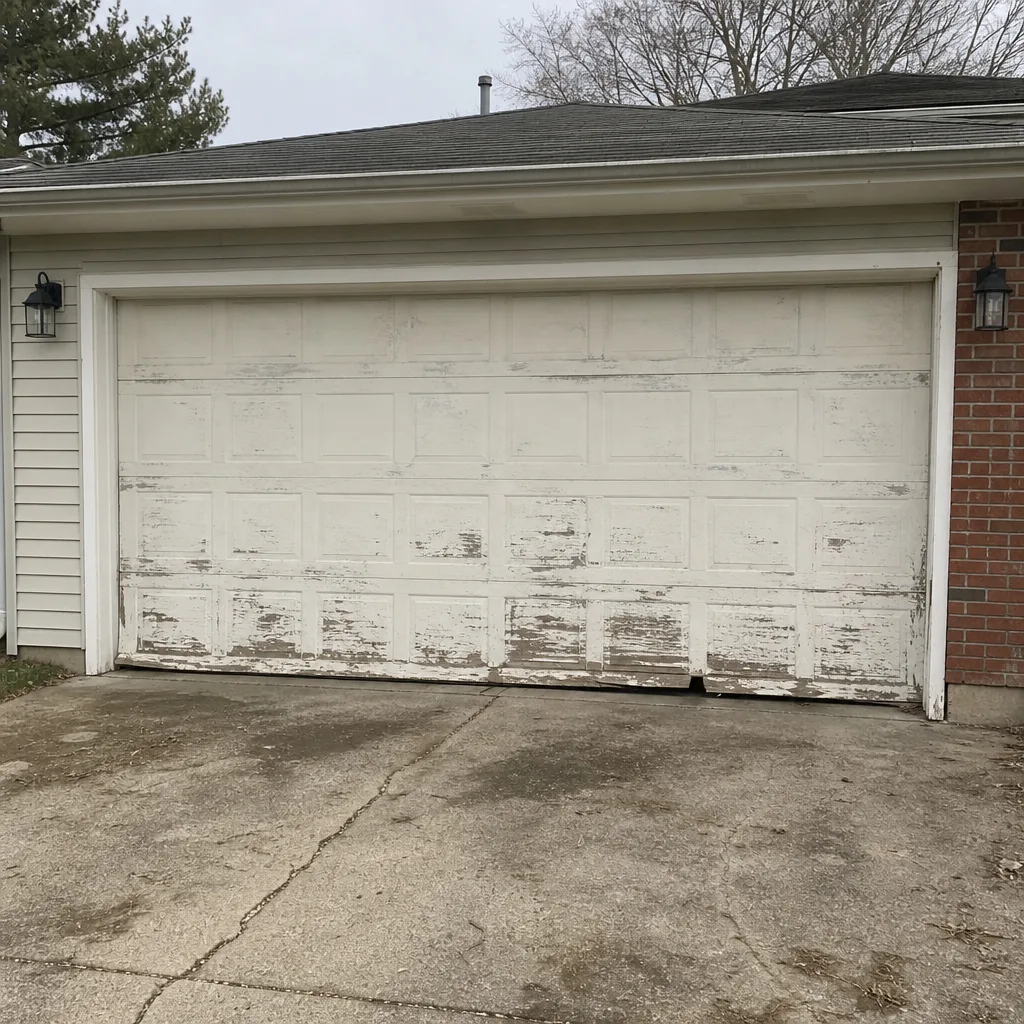 Before
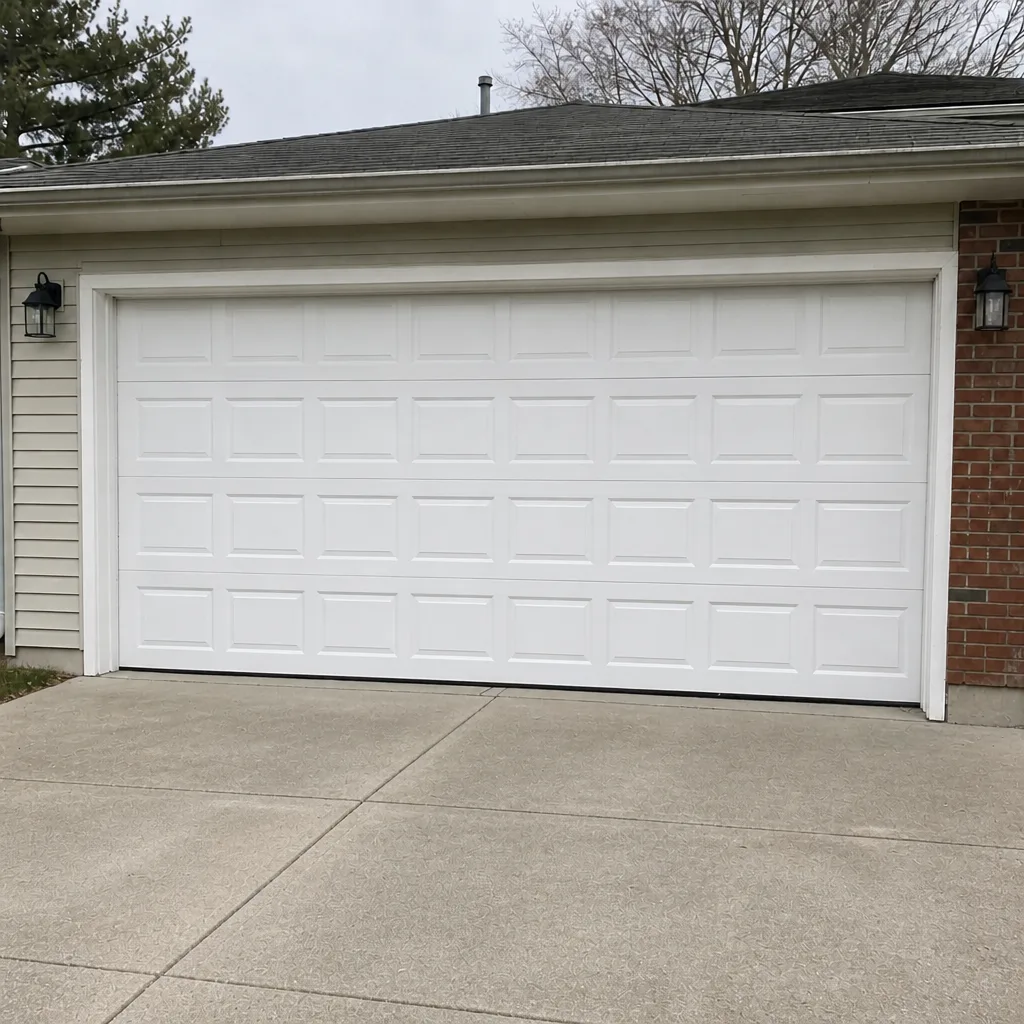 After
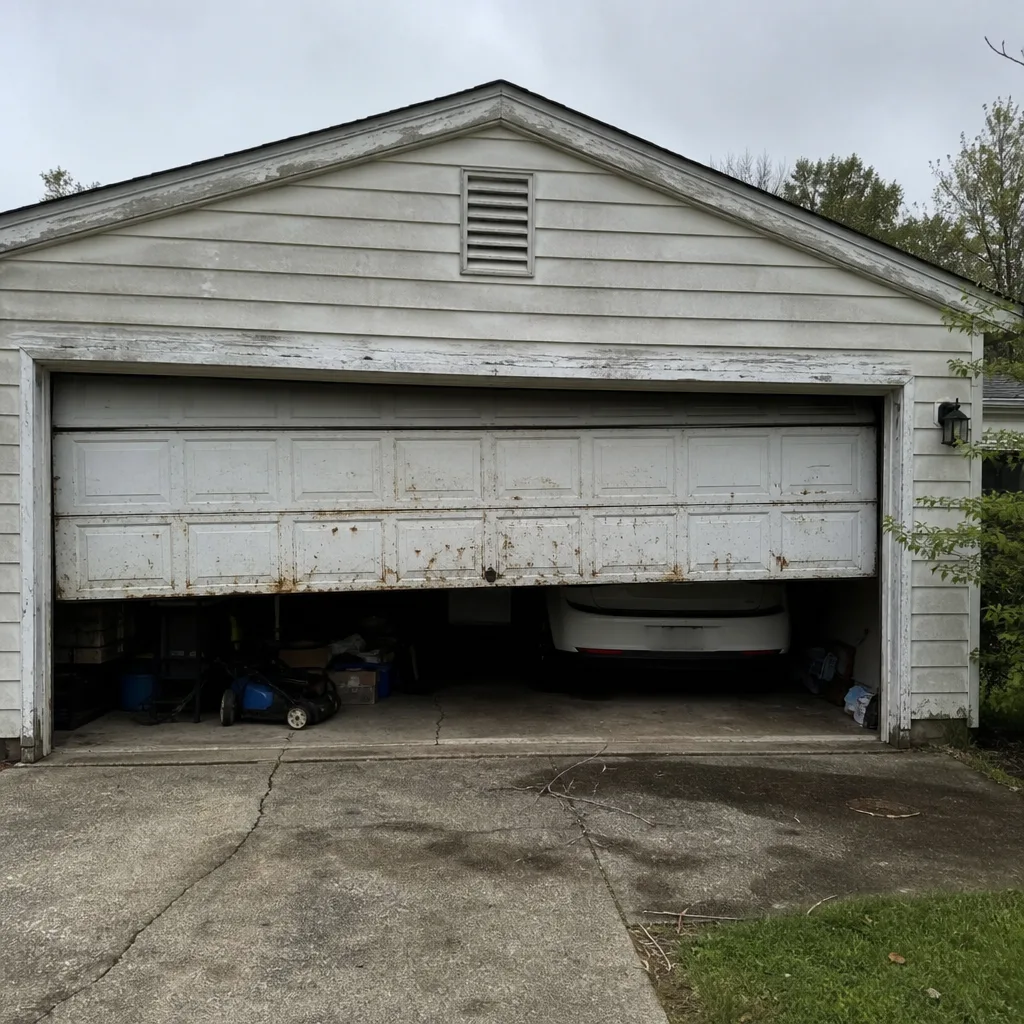 Before
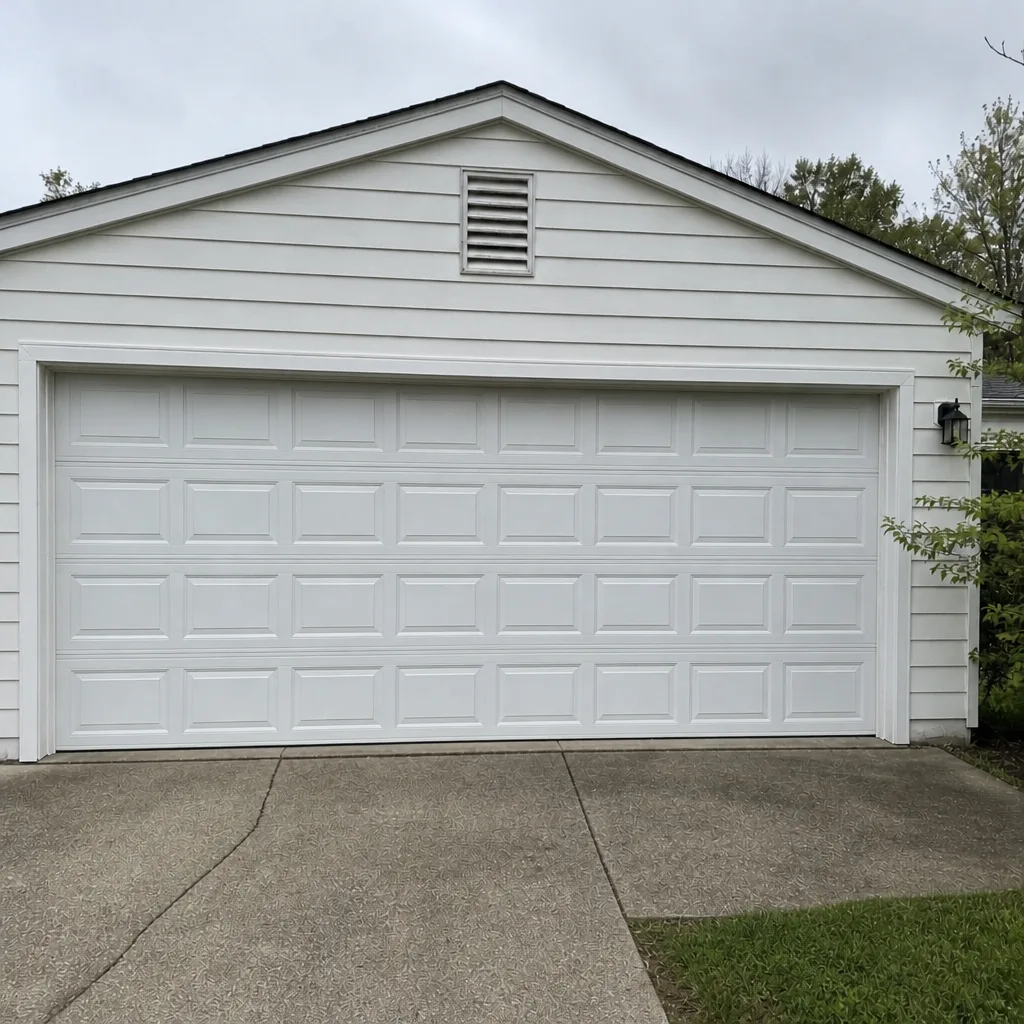 After
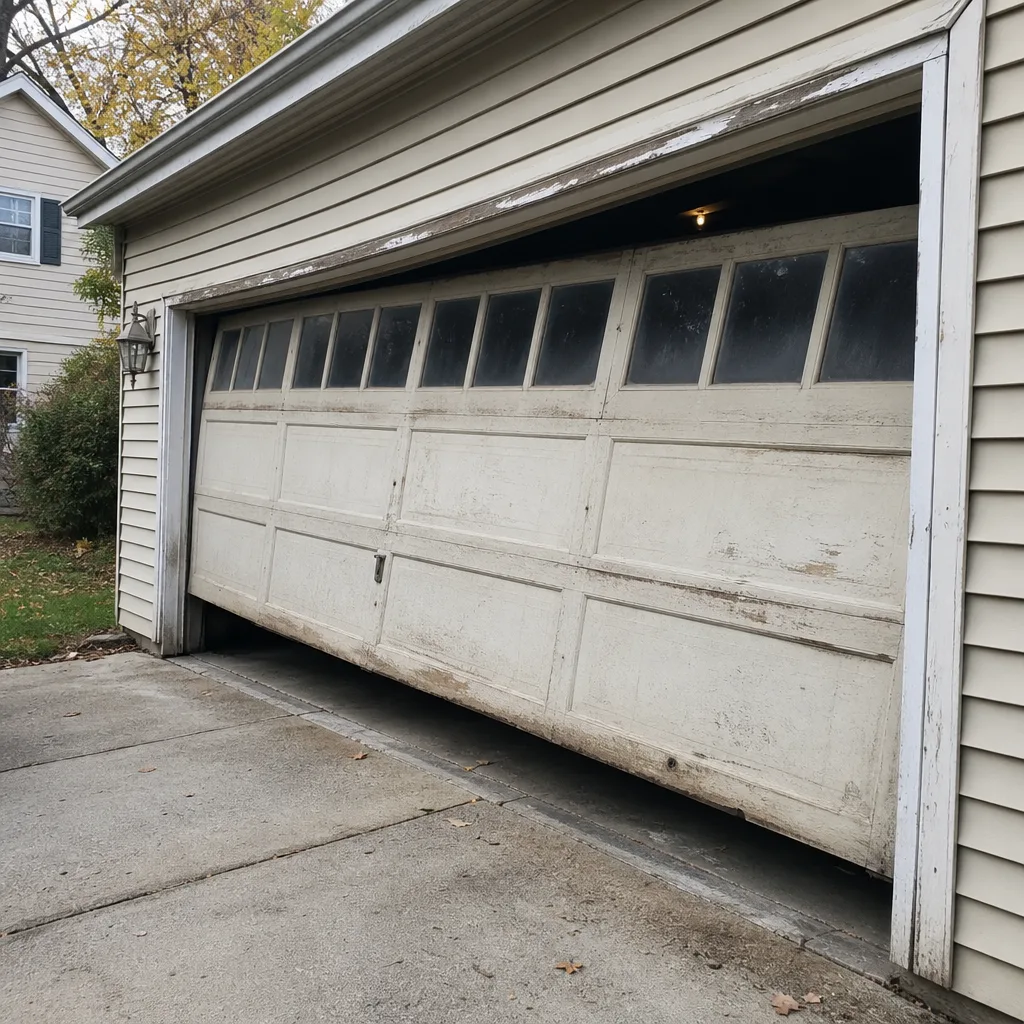 Before
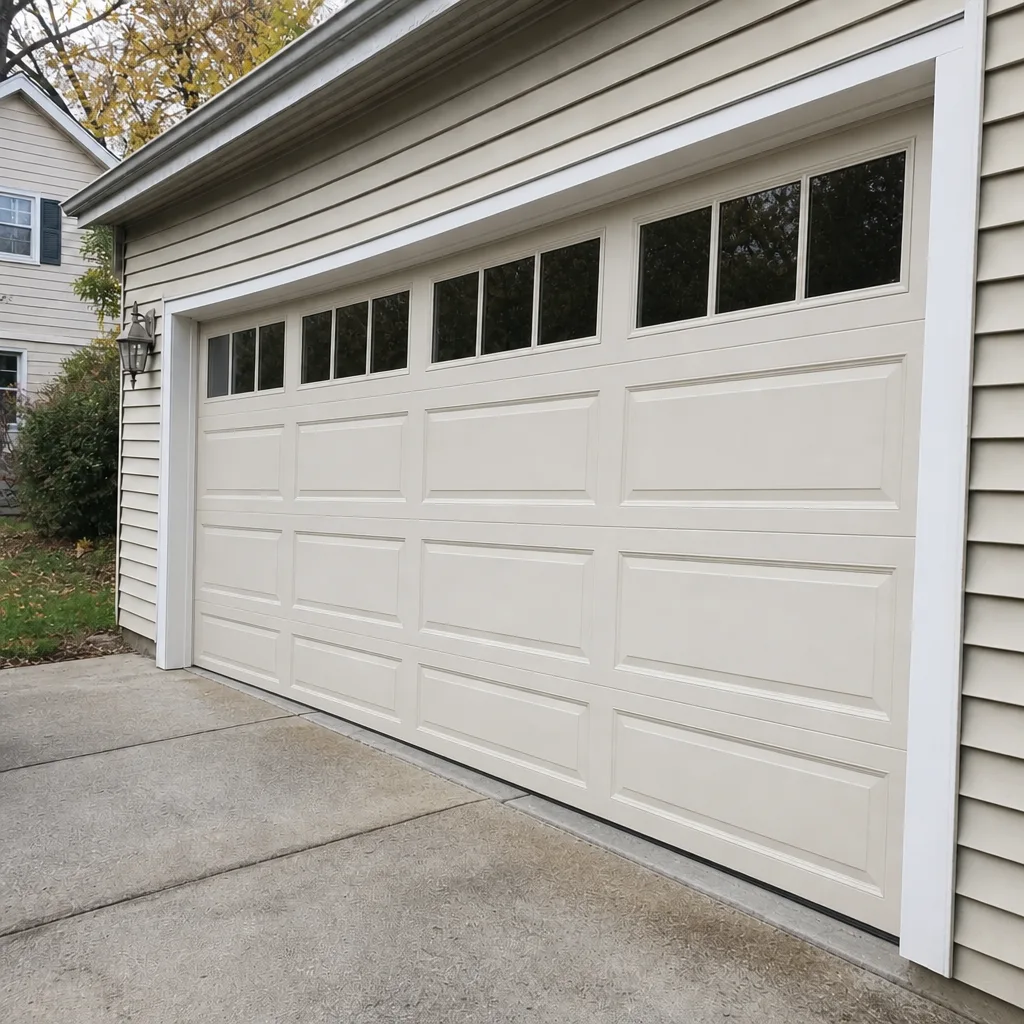 After
When to Call a Professional
Call a garage door professional when the job involves anything more than routine maintenance or a same-size replacement in the existing opening, when the spring system needs work (a spring under tension is dangerous and shouldn’t be touched by anyone untrained), when the door’s structure or anchor points need adjustment, or when you’re dealing with unpermitted work from a previous owner. The higher-risk parts of this trade, especially spring replacement and cable work, are exactly where an amateur injury happens, so we recommend a trained technician for all of it. If you’re unsure whether your Gahanna project needs a permit, or you want a written estimate before you decide, Garage Door Repair Gahanna offers free estimates in Gahanna. Call (855) 658-5316. We answer 24/7. Fast dispatch from 7am to 7pm, Sunday through Friday.
Frequently Asked Questions
Usually not, if you’re installing the same size door in the same opening with the same hardware attachments. A permit is typically required when the project changes the structure of the opening, the size of the door, the wall, or the fire separation between the garage and the house. The City of Gahanna Building Department is the authority, so confirm with them before you order. Call (855) 658-5316 for a free estimate; we can tell you which category your project falls into.
The Ohio Residential Code (ORC 4101:8) governs one- and two-family dwellings in Gahanna, and the sections that apply to garage doors are the wind-load resistance requirements, the anchorage requirements for the door and track, and the fire separation requirements for the door between an attached garage and the living space. Your local building official determines how those sections apply to a specific project. If you want a professional read on the door itself, call (855) 658-5316 for a free estimate.
A municipal inspection on a permitted job checks the installed product against the permit scope: door size, wind-load rating, track and spring anchorage, header and opening dimensions, fire-rated door labeling, and opener electrical. It does not check balance, spring tension, cable wear, roller condition, or opener force settings. Those are safety items a technician covers separately. For a safety inspection on a door you already have, call (855) 658-5316; estimates are free.
It can, especially if a claim involves a garage fire or a door failure caused by the non-compliant condition. Most policies cover the home as it exists, but they don’t always cover code-upgrade costs triggered by a claim, so the specifics depend on your policy. This is one of the reasons we recommend documenting any permitted work and addressing unpermitted work promptly. Call (855) 658-5316 for a free estimate on evaluating and correcting the install.
Yes, in most cases. The process starts with a call to the City of Gahanna Building Department to find out what records exist for the address and what the retroactive or “after-the-fact” permit process looks like for a completed installation. You’ll need documentation of the door, and the work will be inspected against current code. Corrections may be required. Call (855) 658-5316 for a free estimate on evaluating the existing install.
A permitted install does take longer than a same-size replacement without one, because there’s a plan review and an inspection in the sequence. Installation jobs are measured, ordered, and scheduled, so the timeline is built around the door’s manufacture and delivery plus the city’s review time. For urgent repairs on a door you already have, that’s a different conversation. Call (855) 658-5316 for a free estimate and a realistic schedule.
The Bottom Line
In Gahanna, the garage door permit question comes down to one distinction: same-size replacement in the existing opening versus a project that changes the structure of the opening or the fire separation. The first usually doesn’t need a permit. The second usually does, and the Ohio Residential Code’s wind-load, anchorage, and fire-rated-door requirements are what the inspector will be checking. Unpermitted work doesn’t cause a problem the day it’s installed; it causes a problem at the sale, the claim, or the next inspection. If you’re unsure which side of the line your project falls on, ask the building department before the door is ordered, and get a written estimate from a professional who has worked in Gahanna before. Call (855) 658-5316 for a free estimate. We answer 24/7. Fast dispatch from 7am to 7pm, Sunday through Friday.
Written by the team at Garage Door Repair Gahanna.